Child obesity has tripled in five years; endocrinologist warns of serious risks

One in five seven-year-olds is overweight, and data shows that this number has tripled over the last five years. Doctors warn that childhood obesity is a chronic disease with serious long-term effects. Early intervention, free from stigma, is essential for children's health.
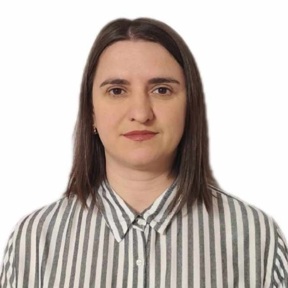
Diana Munteanu, an endocrinologist at the Institute of Mother and Child, discussed the serious issues related to obesity on the show "Bună dimineața" on Moldova 1. She emphasized that obesity can lead to various complications over time.
"Cardiovascular diseases are a significant concern because the heart has to work harder. There is also an increased risk of diabetes; children who are overweight often have elevated blood sugar levels, which can eventually lead to diabetes. Additionally, liver problems can arise. While some fat is stored subcutaneously, the most significant risk comes from visceral fat in the abdomen. Just 100 grams of excess fat can have serious consequences for a child," stated the endocrinologist.
Munteanu advised against including foods that quickly raise blood glucose levels in a child's diet. For instance, she recommended replacing fruit juices with whole fruits.
"The fructose content in juices can exceed the daily requirement by three times, leading to rapid spikes in blood glucose levels and overwhelming liver cells. This metabolic change can have serious implications. It is advisable to limit children to no more than two fruits a day," she said.
She also highlighted the dangers of eating in front of screens or while on the go. Being distracted during meals can disrupt the natural connection between hunger and satiety.
School-age children who are obese often struggle to concentrate and may face bullying, which can negatively impact their self-esteem and academic performance.
When weight begins to visibly accumulate, particularly in the abdominal area, it should serve as a warning sign for parents.
"The biggest mistake is to criticize the child. We need to understand that the child did not choose to gain weight; it is not a matter of willpower but rather a metabolic issue," Munteanu pointed out.
She stressed the importance of finding solutions in collaboration with specialists, who can recommend appropriate activities and, if necessary, medical treatment tailored to the child's needs.