Moldova expands battery storage to 200 MWh for grid stability
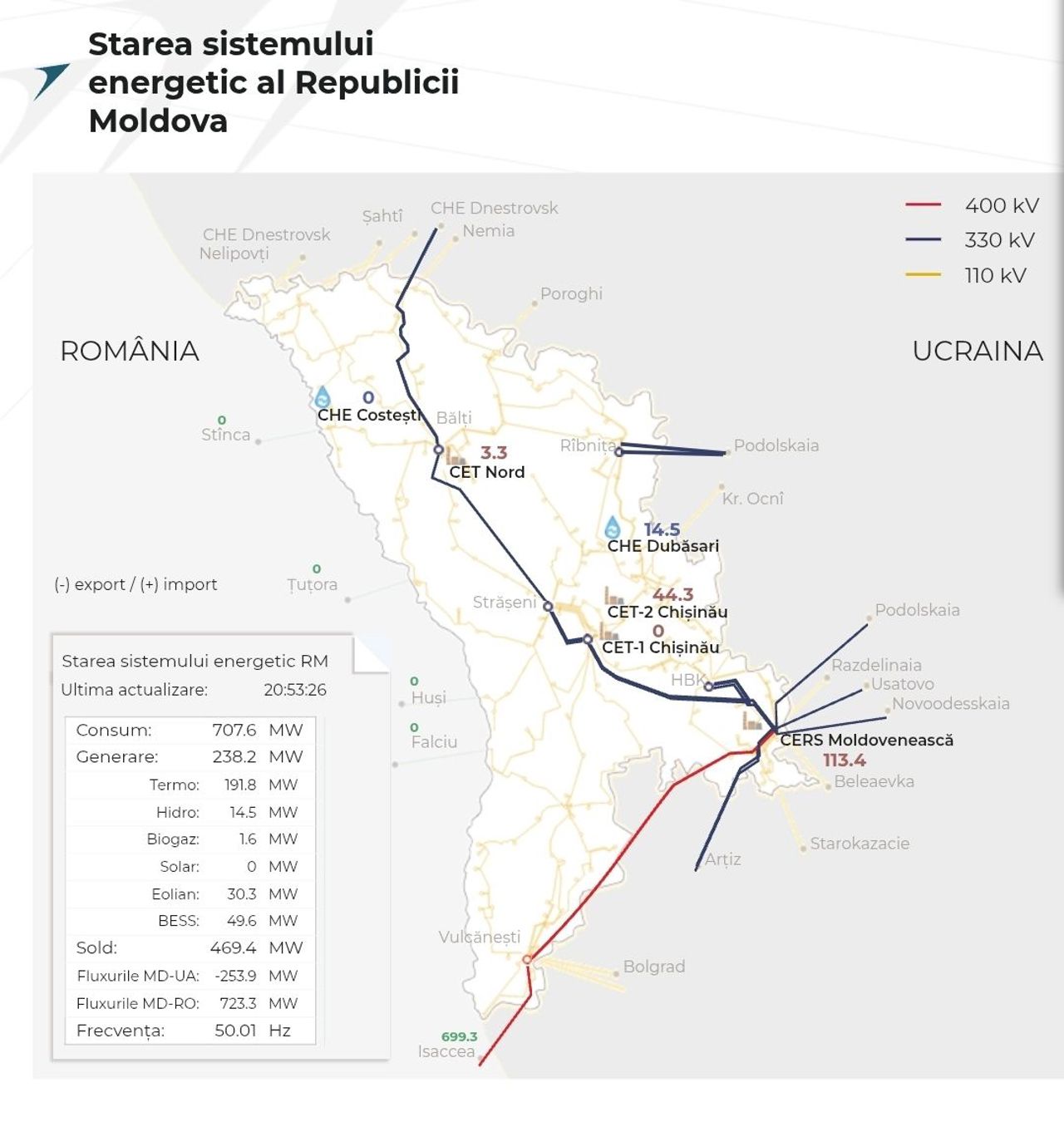
Minister of Energy Dorin Junghietu announced that Battery Energy Storage Systems (BESS) currently cover 50 MW of Moldova’s 700 MW total consumption. Authorities plan to expand this capacity to 200 MWh in the coming months.
The energy delivered through these systems captures daytime renewable surplus. This stored power is strategically deployed during peak hours when market demand and electricity prices are at their highest.
Grid integration and transparency
Moldelectrica, the national Transmission System Operator, now tracks these systems as distinct assets rather than generic renewable output. This shift ensures better statistical accuracy and grid management.
Energy storage allows local producers to preserve electricity for high-consumption windows in the morning and evening. Minister Junghietu urged citizens to maintain rational consumption habits despite these technological advances.
Economic impact on tariffs
Locally produced renewable energy, including stored capacity, remains significantly cheaper than imported alternatives. This infrastructure is vital for maintaining accessible tariffs for households, businesses, and public institutions.
Translation by Iurie Tataru