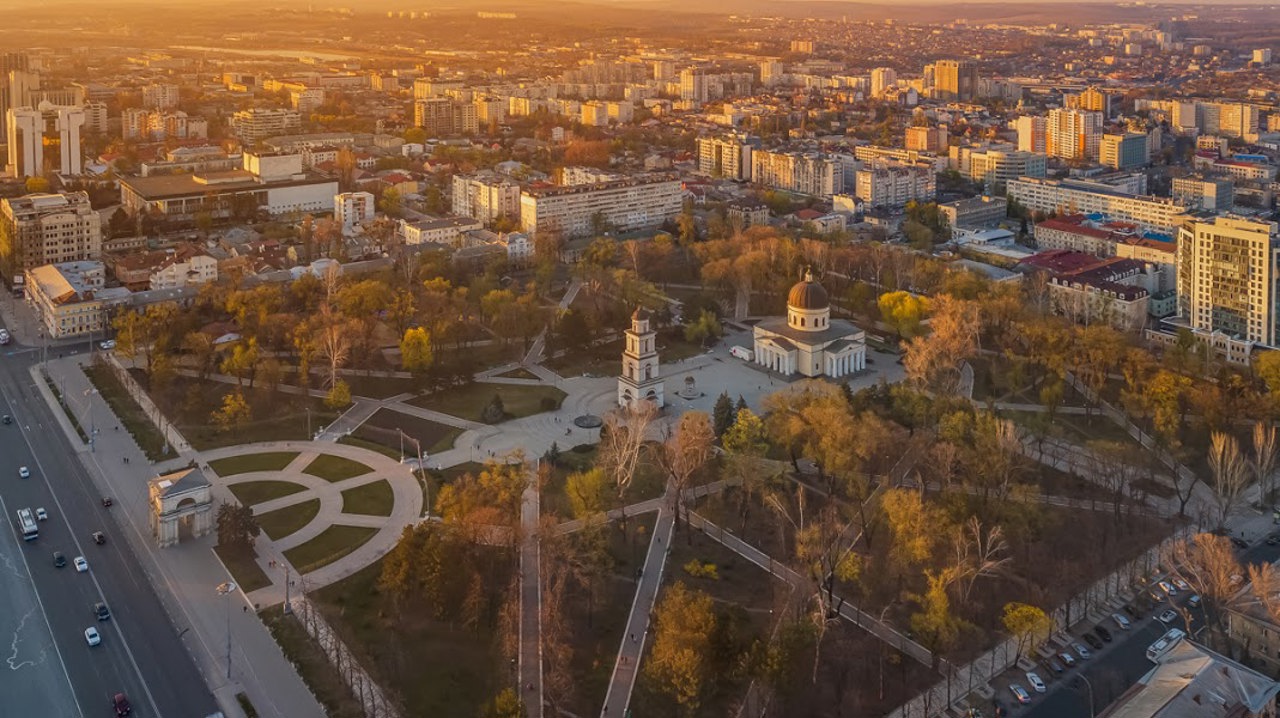
The Nistru reaches record-low flow; ecologists warn of drought and low rainfall impacts
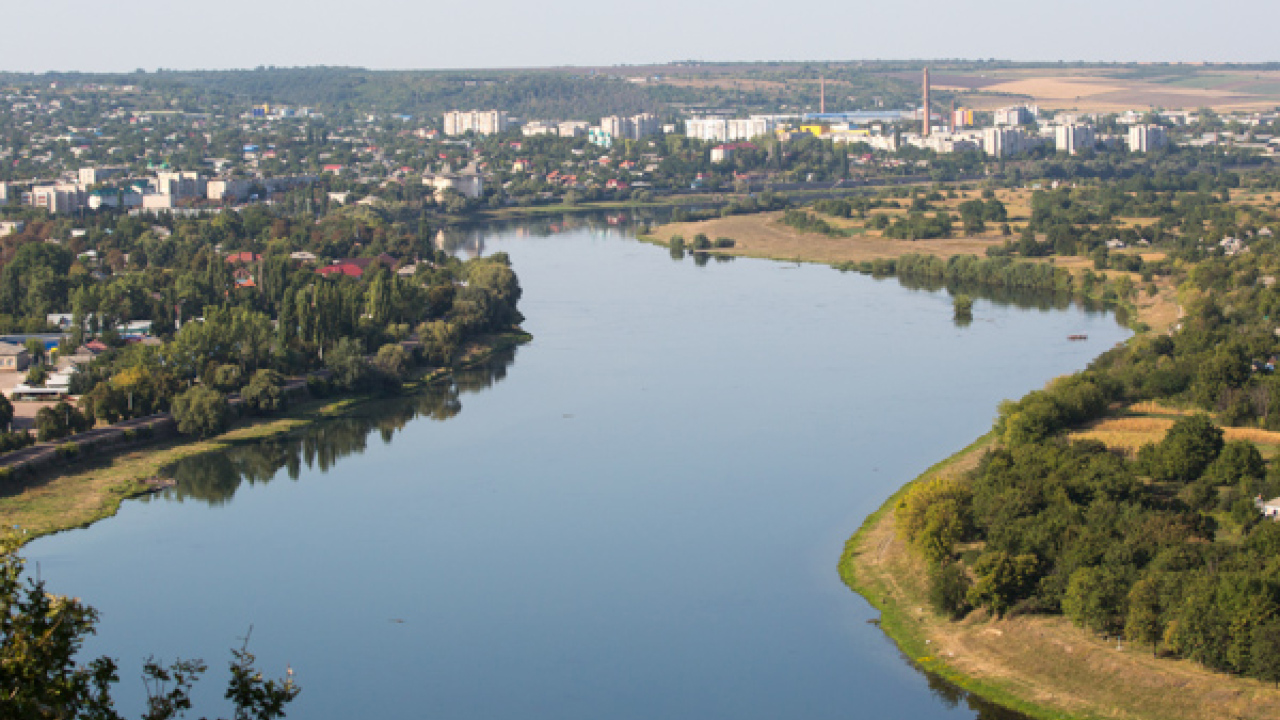
The Nistru River is experiencing its lowest flow in the last 30 years, significantly impacting biodiversity, disrupting the aquatic ecosystem's balance, and reducing the river's natural ability to purify itself. Ecologist Ilia Trombitchi suggests that one effective solution to help address the effects of hydrological drought is to expand forested areas.
An ecologist featured on the program "Zi de Zi" on Radio Moldova discussed how the water level in the Nistru directly impacts fish reproduction. While some fish species can lay their eggs on aquatic plants, not all plants are suitable for this process.
To help mitigate the impact on aquatic life, artificial "nests" for fish reproduction have been installed in the Dubăsari reservoir. However, this measure alone is not enough to offset the effects of hydrological drought.
The expert highlighted that the condition of the Nistru is affected by climate change and significant deforestation in the Carpathians. Ilia Trombitchi stated, “The largest volume of water is formed in the Carpathians. However, from year to year, we are regrettably losing these forests.”
The flow of the Nistru has decreased significantly. In the past, it often reached 700 to 1,000 cubic meters per second during this time of year. Currently, such levels are rarely attained, and the water level has dropped to its lowest recorded point since 1990.
Trombitchi also warned of potential risks to water security if there is insufficient rainfall in the coming weeks.
It is important to note that the Nistru River is a crucial source of drinking water for the Republic of Moldova, supplying about 80% of the population's consumption and over 40% of the country's total water needs.
The State Hydrometeorological Service has issued a forecast for heavy rains in the northern and central districts on May 9, starting at 7:00 p.m. These rains are expected to continue until Sunday afternoon at 3:00 p.m., with anticipated accumulations of up to 35 liters per square meter.