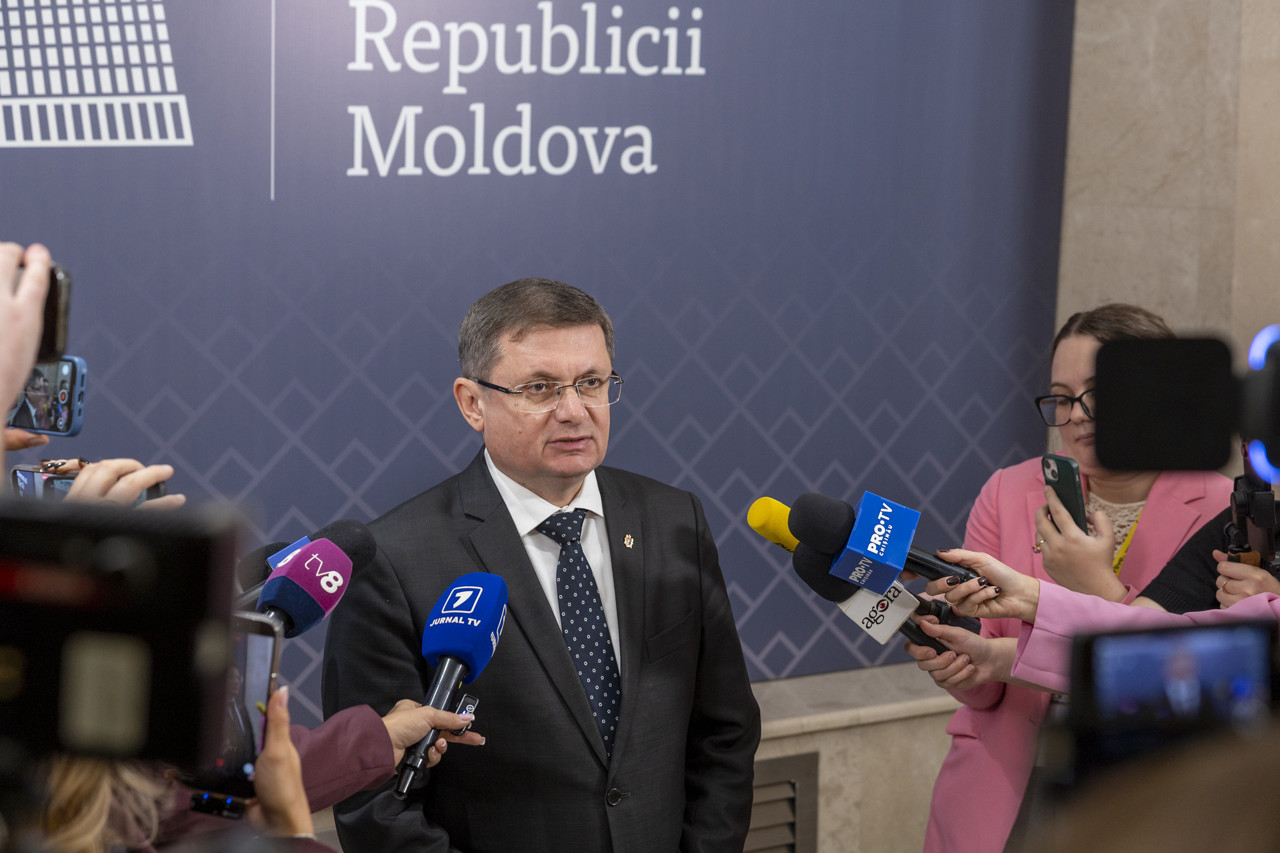
Radu Vrabie: Digitalization will reduce perceived corruption in the customs system
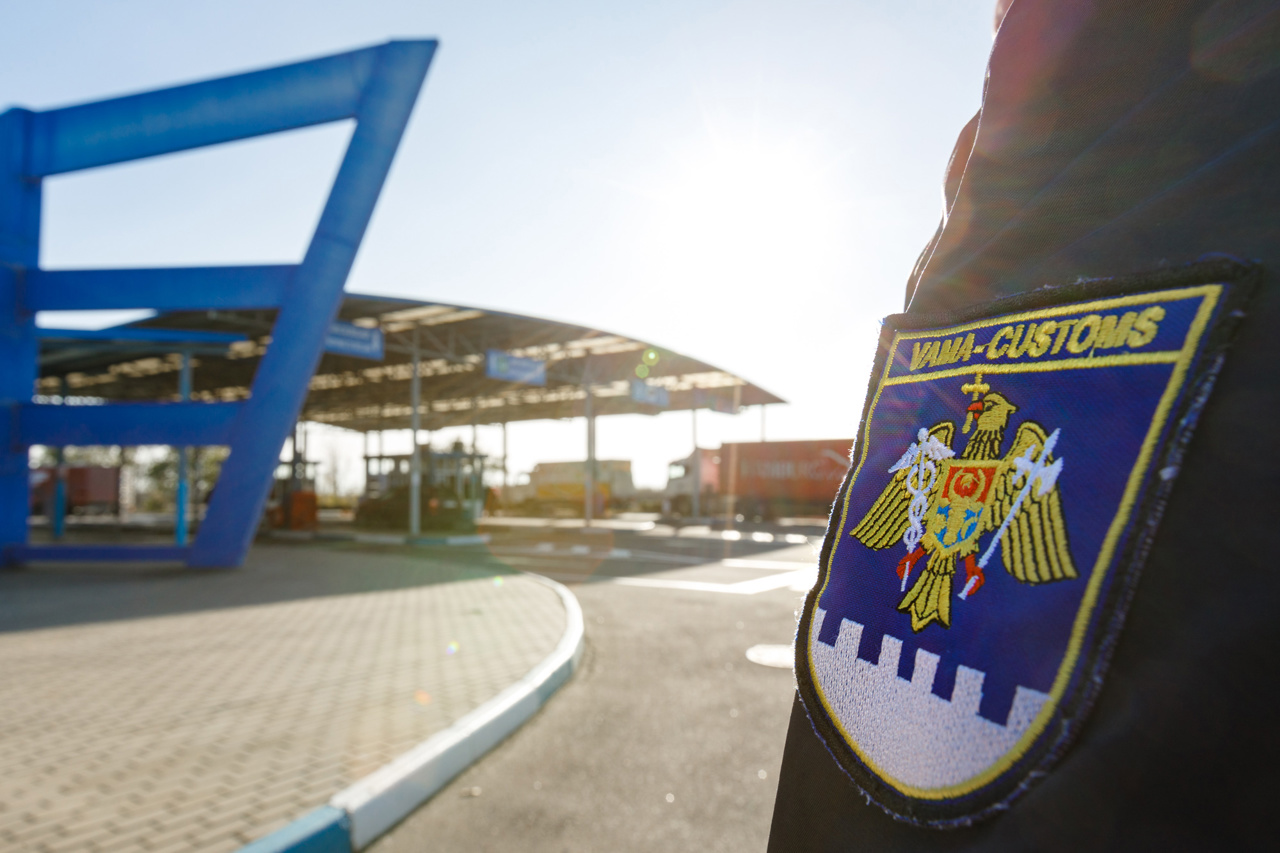
The Customs Service has outlined several measures to combat corruption, including reducing direct interaction between customs officials and economic agents, expanding digital services, and implementing body camera use. This was shared by Radu Vrabie, the director of the institution, during the "Banii" show on Moldova 1.
At the end of March, the first anti-corruption plan specifically aimed at the Customs Service was approved. This document outlines measures to prevent and combat corruption while ensuring transparency within the institution.
Radu Vrabie stated, "We aim to be as open and transparent as possible. The digitalization process will inherently reduce the perception of corruption, as there will be significantly less direct interaction between brokers or economic agents and customs officials."
One of the plan's measures includes the use of body cameras by customs officials. Additionally, the institution is working to expand its digital platforms and electronic services, allowing more procedures to be completed online. Vrabie emphasized that digitalization would also minimize subjective interpretations during the control and decision-making processes.
In this context, the Director of the Customs Service encouraged citizens and economic agents to report cases of abuse or requests for bribes through the available anti-corruption hotlines and reporting platforms.
"It is in everyone's interest to combat this phenomenon and promote transparency from both sides—authorities and economic agents—because corruption usually involves two parties," stated Radu Vrabie.
Further discussions about the reforms and digitalization of the Customs Service can be viewed in the May 8 episode of the "Banii" show on Moldova 1.