Deputy Prime Minister: Moldova needs 100,000 workers to boost productivity
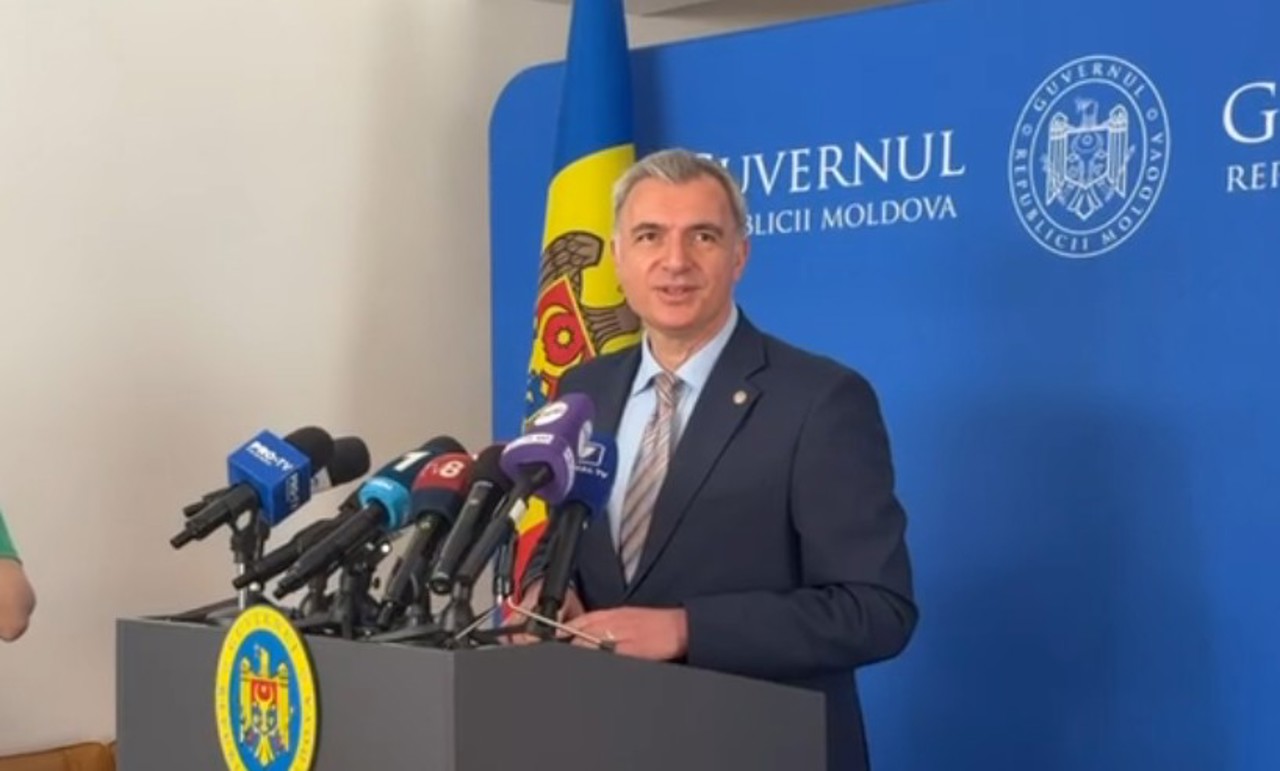
The Republic of Moldova requires around 100,000 workers to boost productivity and, consequently, the economy. This is in contrast to the 300,000 foreign workers reported by the press. Deputy Prime Minister Eugen Osmochescu, Minister of Economic Development and Digitalization, provided these clarifications to address misinformation about a supposed "invasion" of foreign workers in the Moldovan labor market.
According to an official statement, the Migration and Asylum Office in the Republic of Moldova can issue approximately 16,000 temporary residence permits each year. These permits are granted for one year and can be extended; however, individuals do not have the option to bring their families with them to Moldova.
Eugen Osmochescu clarified, "We never discussed the need to import 300,000 people to enhance productivity in the Republic of Moldova. We only indicated that we can currently accommodate up to about 100,000. The capacity of the Migration and Asylum Bureau allows for around 16,000 temporary residence authorizations annually. These are temporary permits issued for one year, which can be extended. It's important to note that the individuals concerned must leave Moldova upon the expiration of their residence permits. I want to ensure that this is clear and understood by everyone, as we aim to alleviate any concerns within the Republic of Moldova."
Increasing labor productivity—encompassing time, costs, and the capabilities of employees—will contribute to the economic growth of the Republic of Moldova, the official said.
Osmochescu added, "Productivity can be understood in various ways; it's about time, costs, and the specific abilities that workers possess. What are the outcomes of improved productivity? Simply put, it results in greater production at a lower cost, thereby fostering economic growth in the Republic of Moldova."
We remind you that the ongoing population exodus has created a workforce gap, prompting authorities and companies to seek solutions beyond the country's borders. As a result, Moldova is increasingly importing labor, with official data indicating a rise in the number of foreign workers, primarily from Asian and African countries.
Most foreign workers come from "the Asian region and the African continent." Applications to bring in foreign workers are typically initiated by businesses looking to address personnel shortages in specific sectors.
To assist with integration, authorities have approved a national program running from 2025 to 2027 that will provide access to medical services, social assistance, education, and Romanian language courses for foreign nationals.
Recently, Prime Minister Alexandru Munteanu mentioned that the Republic of Moldova requires at least 300,000 workers to achieve the minimum productivity level of the European Union, as labor shortages are becoming one of the economy's main challenges.
The Prime Minister noted that the Moldovan economy grew by 2.4% last year, surpassing the International Monetary Fund's estimates. He stated that the government's strategy remains focused on fostering investments and increasing the population's income.
To mitigate personnel shortages, the Prime Minister believes it is essential to attract investments and create better-paying jobs. He also suggested that even those in the diaspora could return to the country if adequate economic opportunities are available.