Putin’s citizenship decree draws little interest in Transnistrian region
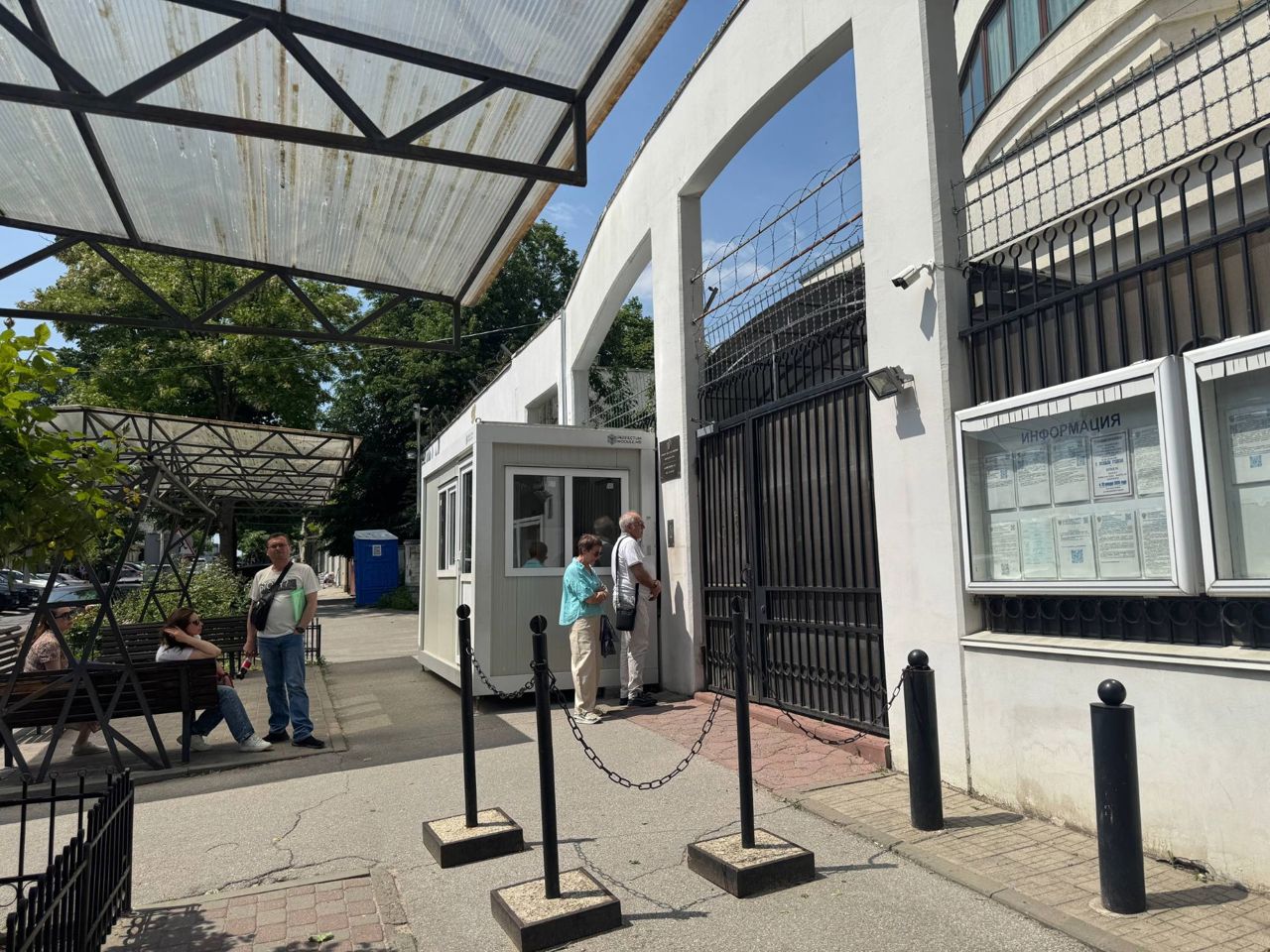
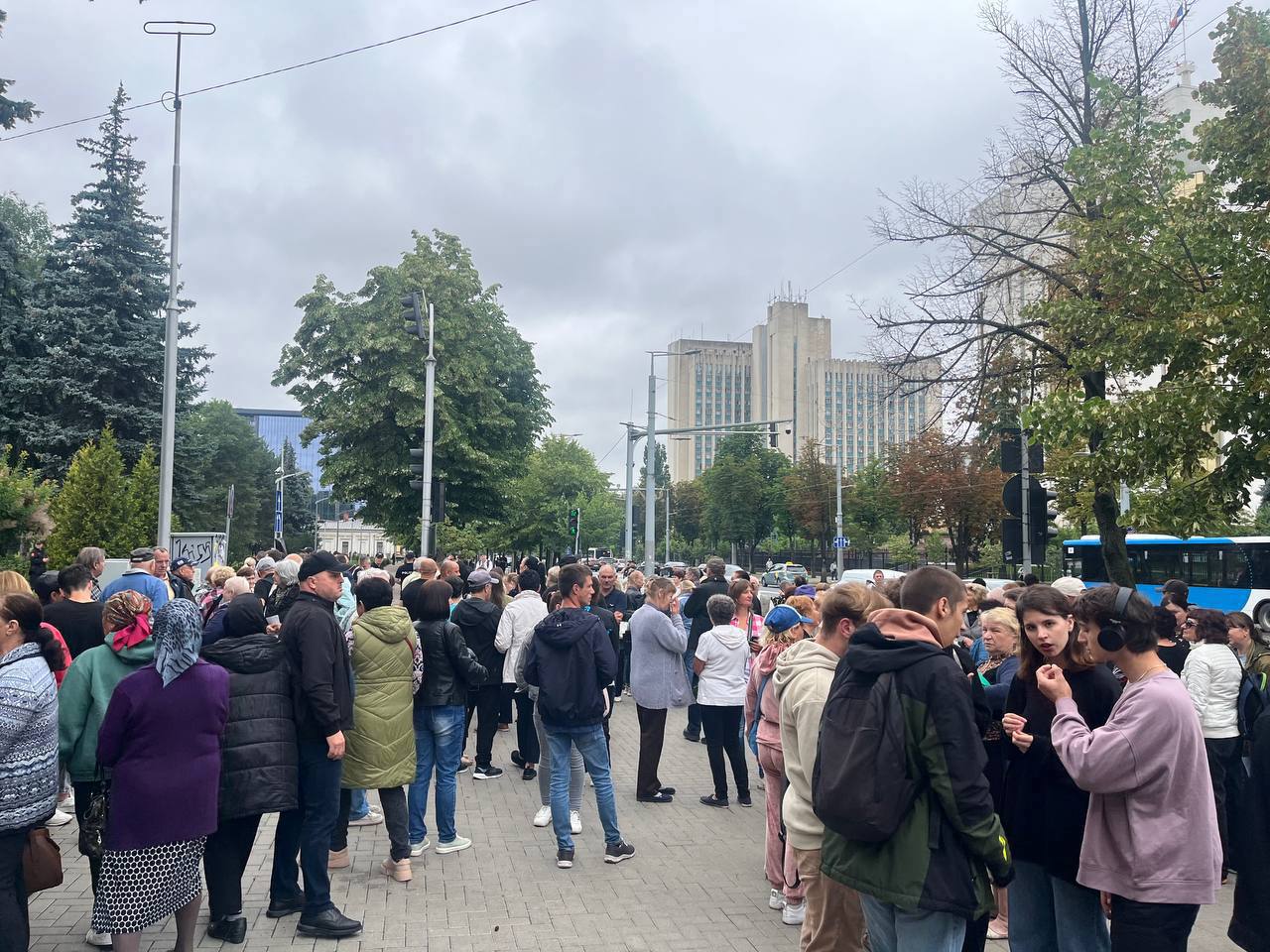
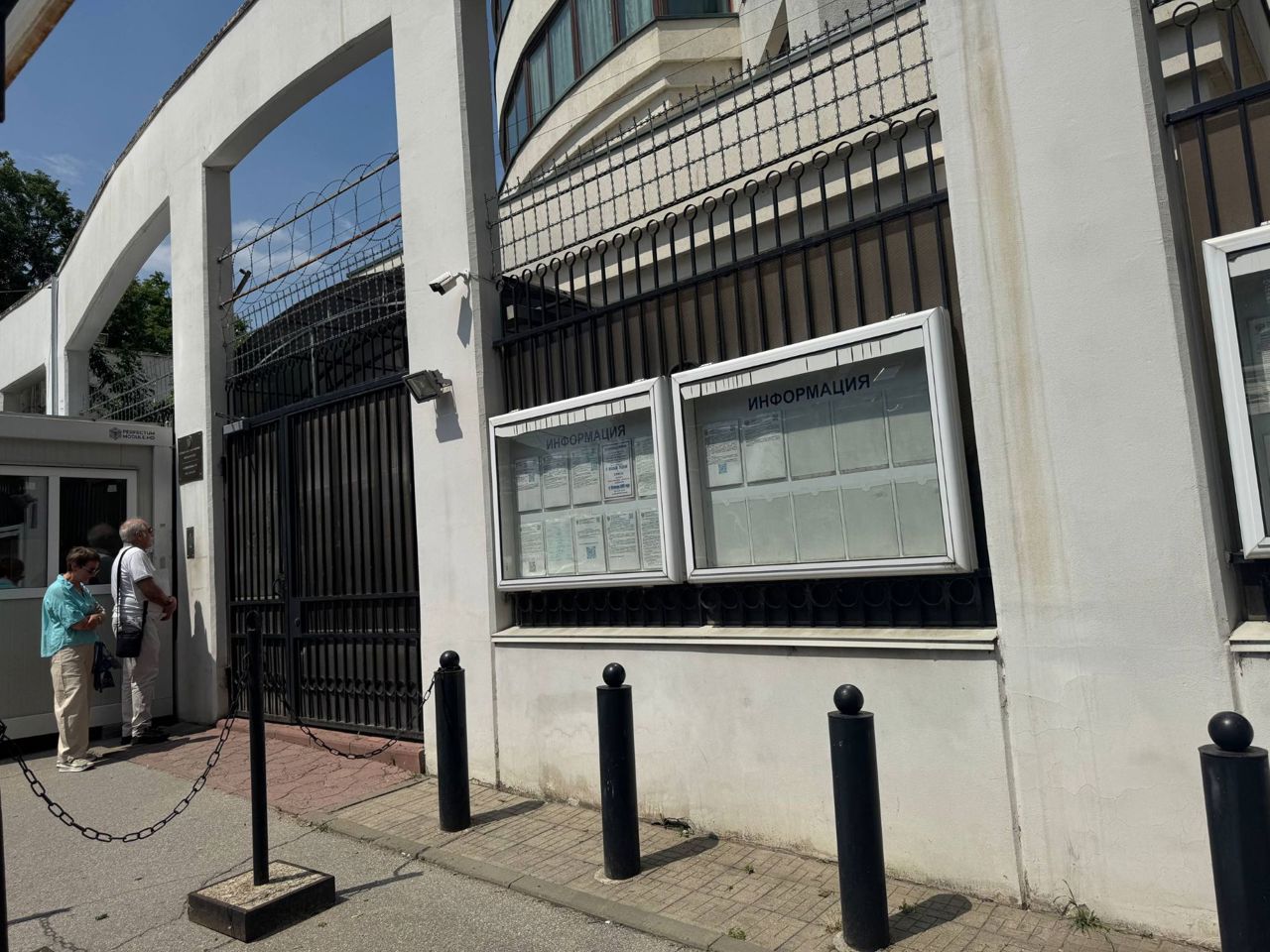
Residents of the Transnistrian region are not rushing to apply for Russian citizenship under the simplified procedure. Only a small number of individuals were seen in front of the diplomatic mission in Chisinau, which started accepting applications on Monday, May 25, following a decree from Russian President Vladimir Putin.
To obtain Russian citizenship, individuals who permanently reside in the Transnistrian region of the Republic of Moldova will no longer need to demonstrate knowledge of the Russian language, history, and basic legislation. Additionally, they will no longer have to wait five years after receiving a residence permit in Russia.
However, on the first day of application submissions, the Russian Embassy in Chisinau was notably empty, suggesting a lack of interest in this new policy. The few individuals present outside the embassy were reluctant to discuss the reasons for their visit.
After the publication of Putin's decree on May 16, Moldovan President Maia Sandu stated that Russia is trying to consolidate its influence by expanding its "passportization" policy in the Transnistrian region. She expressed concern that Russia requires "more people to send to the war in Ukraine."
Prime Minister Alexandru Munteanu echoed these concerns, stating that the actions of the Russian authorities are occurring within the context of the "inhuman war started in Ukraine." He suggested that the Kremlin is attempting to replenish its troops following the losses they have suffered. Munteanu also noted that the Russian passport is no longer as popular as it once was and that the Moldovan passport offers many advantages, including the ability to travel freely.
Former Deputy Prime Minister for Reintegration Alexandru Flenchea warned that this decree could be a tactic to recruit Moldovan citizens for deployment to the frontlines. In a comment for Moldova 1, Flenchea emphasized the political and propagandistic nature of Putin's decree.
Ivan Țurcan, head of the Analytical and Information Section at the Bureau for Reintegration Policies, stated on Radio Moldova that Vladimir Putin's order to facilitate the acquisition of Russian citizenship for Transnistrian residents should be analyzed in light of the legal status of the region's population.
Approximately 98% of residents in the Transnistrian region are citizens of the Republic of Moldova, and this citizenship is considered primary, with other citizenships considered supplementary. Țurcan stressed that the authorities in Chișinău have a responsibility to protect these individuals' rights, even though the region is not effectively under their control.
According to data from the Public Services Agency, just over 360,000 people live in the localities on the left bank of the Nistru and in the Bender municipality, of which nearly 357,000 are citizens of the Republic of Moldova.
Simultaneously, in over 60 judgments issued by the European Court of Human Rights, the Russian Federation has been held accountable for human rights violations in the Transnistrian region. These violations include illegal detentions, torture, violations of the right to education, and restrictions on freedom of expression.
We remind you that Russia has previously implemented similar mechanisms for obtaining Russian citizenship in separatist or occupied areas, such as prior to the annexation of Crimea and the recognition of the self-proclaimed "people's republics" of Donetsk and Lugansk.