Russian diesel production declines as refinery strikes intensify
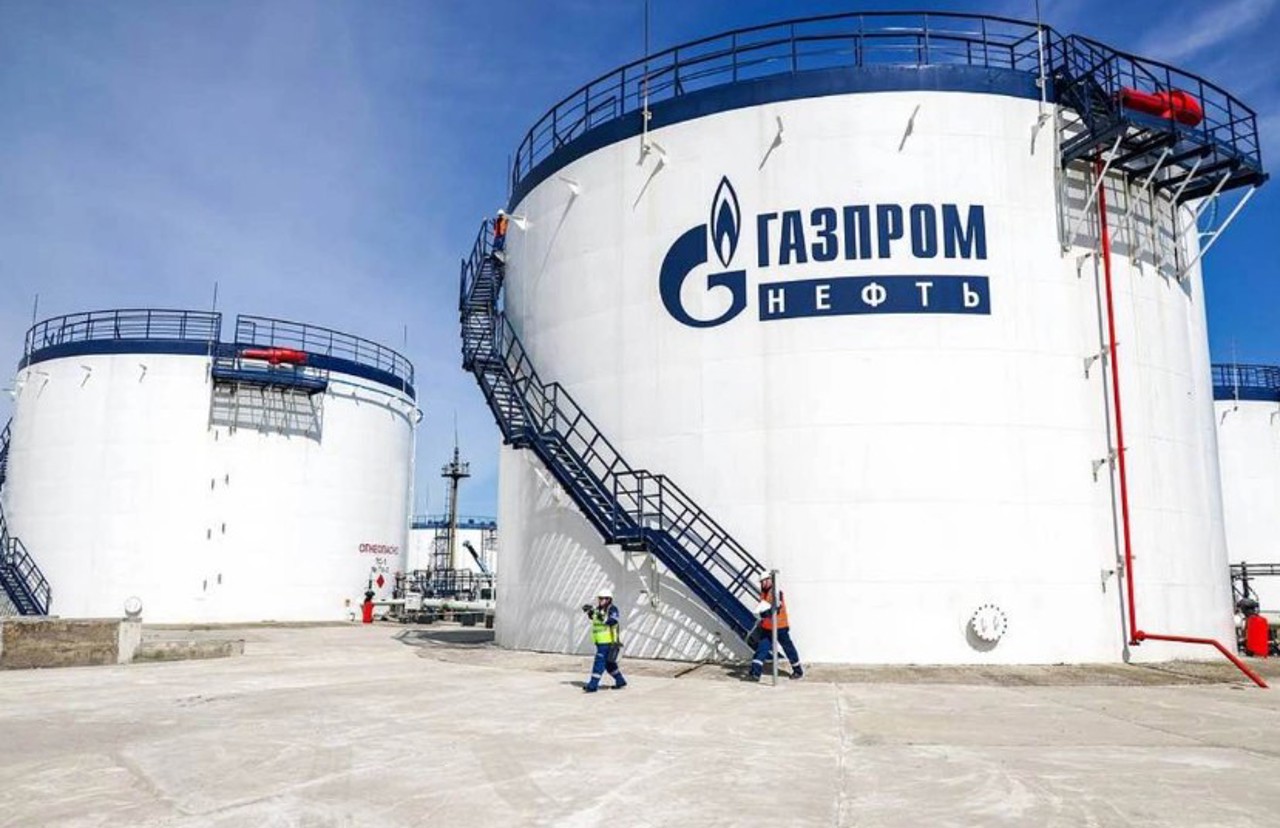
Gazprom Neft, the oil subsidiary of energy giant Gazprom, reported a net profit of 95.8 billion rubles ($1.35 billion) in the first quarter, marking a 3.5% decline compared to the same period last year, according to Reuters.
Revenue reached 858 billion rubles over the first three months of the year. Adjusted EBITDA stood at 310 billion rubles, reflecting continued operational profitability despite mounting external pressure.
The results come amid sustained strain on Russia’s energy sector, driven by Western sanctions and repeated strikes on energy infrastructure linked to the war in Ukraine.
Gazprom Neft remains one of Russia’s largest oil producers and a key contributor to the broader Gazprom group, whose gas operations have been weakened in recent years by reduced exports to Europe.
According to Reuters, Russian diesel production fell by around 10% in May following a similar decline in April, after drone strikes damaged multiple refineries and forced partial shutdowns and maintenance disruptions.
Ukraine has continued targeting Russian energy infrastructure in an effort to reduce Moscow’s export revenues from oil and gas, which are used to finance the war effort.
Reuters estimates indicate that affected refineries reduced diesel output by up to 1 million tonnes in April and a further 600,000 tonnes in May. Industry sources place March diesel production at approximately 7.5 million tonnes.
Despite falling output, Russian maritime exports of diesel and gasoil increased by 8% in April to around 3.25 million tonnes compared to the previous month. Volumes remained close to last year’s levels, with exports also holding steady into May.
The Russian government is reportedly considering a temporary ban on diesel exports amid strong domestic demand from the agricultural sector during the planting season, according to news.ro. However, industry sources suggest such a measure remains unlikely, as it would further complicate refinery operations already under strain.
Output losses have limited Russia’s ability to benefit from higher global oil prices driven by Middle East tensions and disruptions in energy flows linked to restricted maritime traffic through the Strait of Hormuz.
Drone strikes have primarily affected refineries in central Russia, some of which were forced to suspend operations entirely for repairs and safety inspections.
Translation by Iurie Tataru