One in three children in Moldova lives in poverty
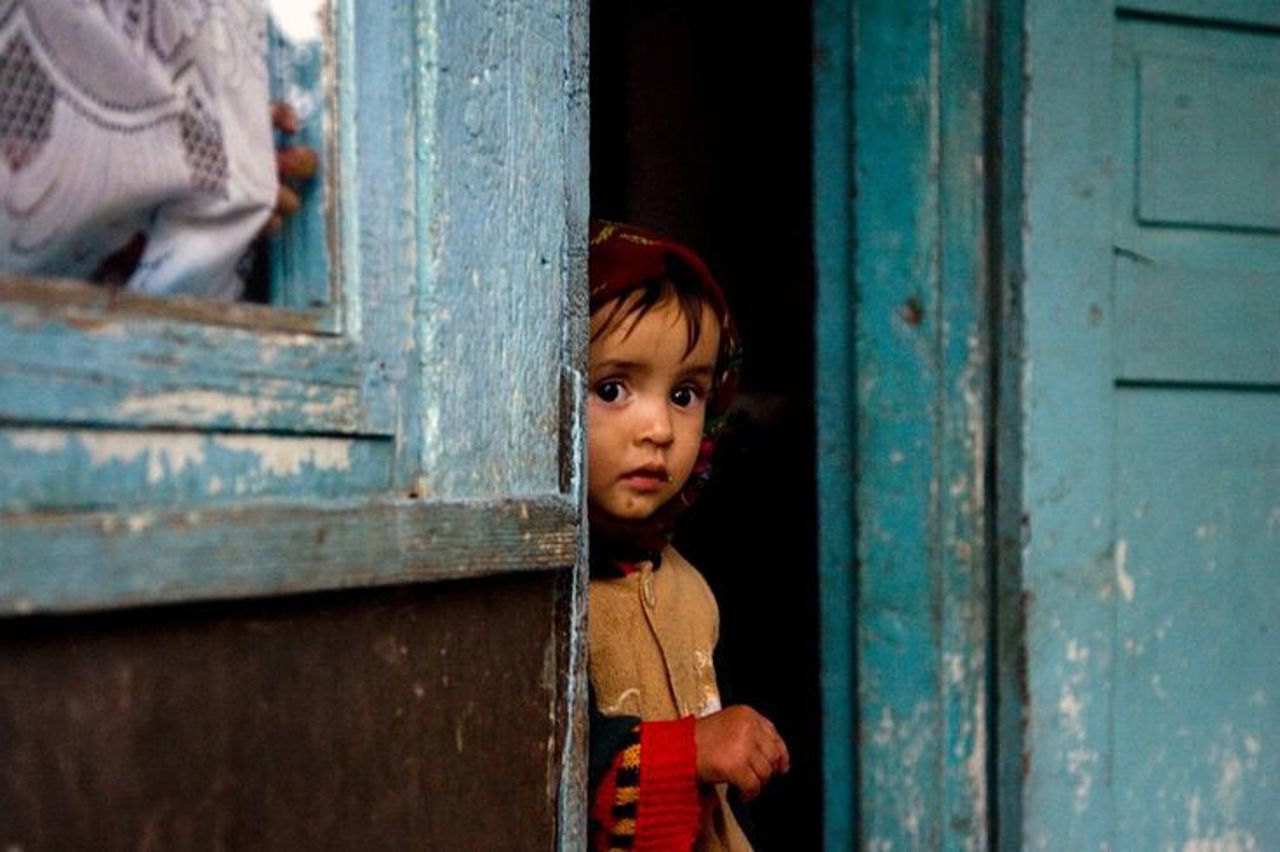
On International Children's Day, data on the situation of children in the Republic of Moldova highlights a troubling reality: one in three children lives in absolute poverty, and in rural areas, the phenomenon affects nearly half of all children.
According to data presented by the Center Partnership for Development, the child poverty rate has reached 33%, while in rural areas it stands at approximately 47%. Experts warn that material deprivation directly affects children's development and limits their access to education, healthcare, and social inclusion.
Alina Andronache, an expert at the Center Partnership for Development, says that families with young children rank among the most vulnerable groups during periods of economic or social hardship.
"Families with young children continue to face numerous barriers in the Republic of Moldova. When challenges arise at the national, economic, or international level, they are often among the first and most severely affected," the expert explained on Radio Moldova.
The data also shows that access to essential services for children remains limited. Just over 23% of children under the age of three have access to early childhood education or daycare services. At the same time, the employment rate among mothers with children increased over the past year from just above 40% to more than 50%, a trend attributed to greater workplace flexibility.
UNICEF Moldova social policy expert Artiom Sici noted that child poverty is driven by rising prices, insufficient incomes, and unequal access to services, particularly in rural areas.
According to him, the families most at risk are large households, single parent families, and households where only one parent is employed.
"Children who grow up in poverty are far less likely to attend school regularly, face a higher risk of having a less nutritious daily diet, and, of course, poverty itself limits access to healthcare services," the expert warned.
Specialists view investment in social protection as one of the most effective ways to reduce poverty. Recommended measures include increasing child and family benefits, expanding social services in rural areas, and improving access to stable employment.
In recent years, the Ministry of Labour and Social Protection has introduced several reforms aimed at reducing social vulnerabilities. Among them is the Restart reform, which seeks to improve the efficiency of the social assistance system, strengthen coordination between central and local authorities, and enhance the quality of services provided to beneficiaries. The reform also includes expanding the childcare network to help parents return to work more quickly.