EU ministers to review sixth extension of Ukrainian refugee status
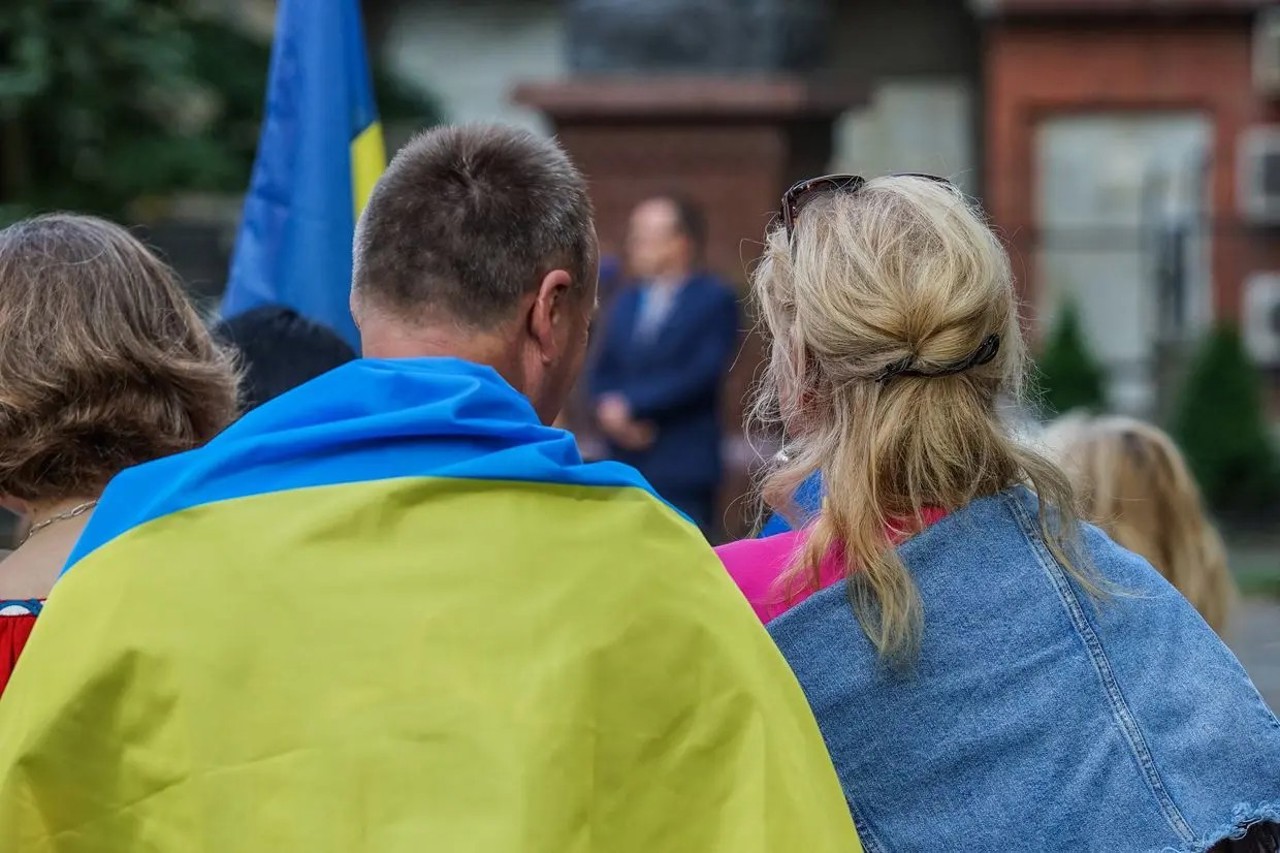
European Union ministers are convening today to deliberate on a sixth extension of the temporary protection regime for Ukrainian refugees. The discussions focus on tightening eligibility criteria and the long-term implications of these measures, as reported by The Kyiv Independent.
Central to the debate is the potential return of over four million Ukrainian citizens currently holding protected status within EU member states. Officials are increasingly concerned that the loss of approximately 10% of Ukraine’s population could become permanent.
The challenge of human capital
Many refugees have now integrated into host communities, establishing careers and education paths. This shift complicates Kyiv's efforts to ensure a sufficient workforce for post-war reconstruction and European integration.
"Without recovering our human capital, it will be difficult to achieve the goal of Ukraine's integration into the European Union," stated Oksana Diakun, deputy head of Ukraine’s mission to the EU. She spoke at a recent event hosted by the Eastern Partnership Civil Society Forum.
Marta Wytrykowska, representing the European External Action Service, emphasized that the EU aims to create conditions within Ukraine that encourage citizens to return and contribute to the country's stability and future.
Strict criteria and regional risks
However, the willingness to return remains low. A January survey by the Center for Economic Strategy revealed that only 43% of Ukrainian refugees currently intend to go back to their homeland.
Member states are now considering more restrictive rules for temporary protection. One proposal involves differentiating between Ukrainian regions based on risk levels, granting protection only to those from areas deemed active combat zones.
Additionally, reports suggest some nations, including Poland, may support excluding military-age men from protection extensions. Poland currently hosts the second-largest number of Ukrainian refugees in the bloc.
Legal uncertainty and psychological impact
A senior European official noted that while ministers will discuss the legal status of displaced persons, concrete decisions are not expected during this specific session. Clarifications are likely postponed until at least July.
This ongoing uncertainty has drawn criticism from the Council of Europe’s Commissioner for Human Rights, Michael O'Flaherty. He urged for sustainable solutions that allow refugees to plan for their future.
"Millions of people are living in uncertainty, and this amplifies their trauma," O'Flaherty stated. He emphasized that annual renewals offer little stability for families trying to rebuild their lives.
Despite the challenges, some experts see a silver lining. Marcin Walecki of the European Endowment for Democracy suggested that the professional experience and education Ukrainians gain in the EU could eventually benefit Ukraine.
"We could say that Ukrainians have already reached the European Union. They are just waiting for Ukraine to join them," Walecki concluded.
Translation by Iurie Tataru