Hungary lifts Ukraine EU veto, opening path for Moldova
The European Commission will formally propose opening the first cluster of accession negotiations with Ukraine and the Republic of Moldova on June 16. The proposal will be debated during the General Affairs Council meeting, clearing the way for the 27 EU heads of state to officially approve the decision at the Brussels summit scheduled for June 18–19.
This geopolitical breakthrough follows Budapest's decision to withdraw its long-standing veto on Ukraine's integration process. European Commissioner for Enlargement Marta Kos welcomed the milestone. "Ukraine and R. Moldova already respect the rule of law requirements established by member states, and now is the time to accelerate the journey toward EU membership," Kos stated.
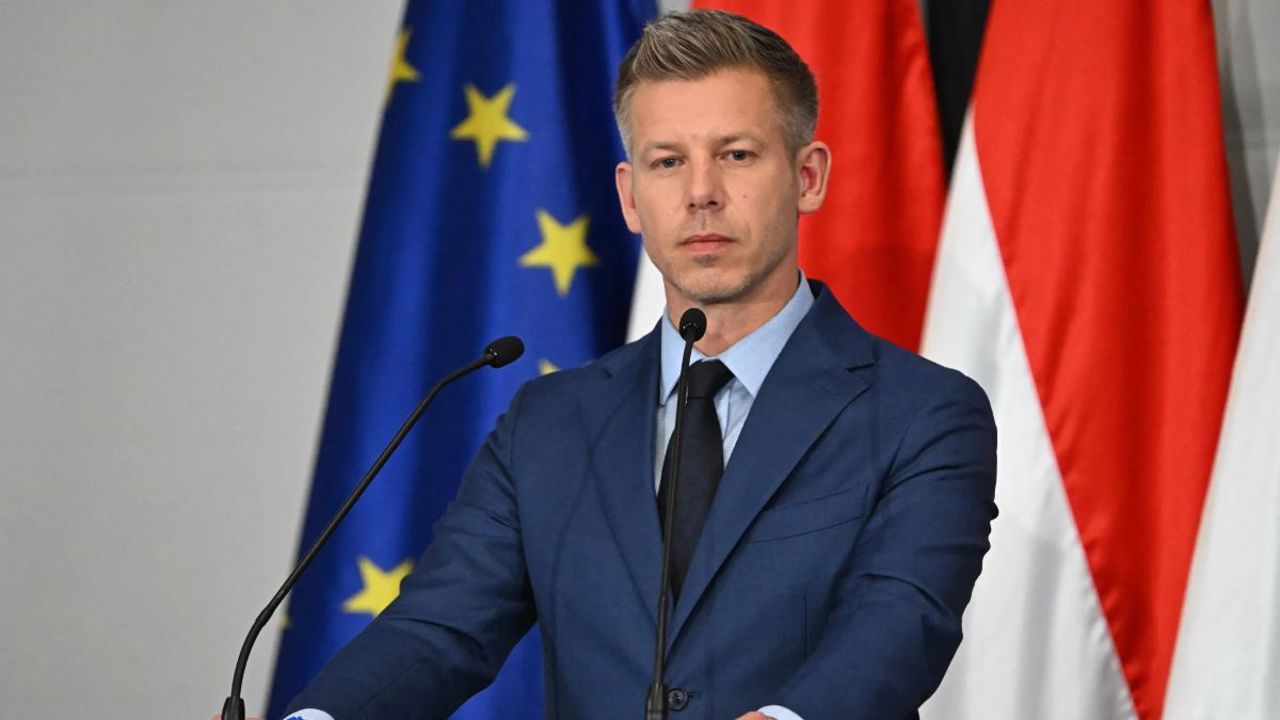
The diplomatic deadlock was resolved after Hungarian Prime Minister Péter Magyar announced a bilateral agreement with Kyiv regarding the protection of the Hungarian ethnic minority in the Transcarpathia region. Under the accord, Ukraine committed to fully restoring educational, linguistic, cultural, and political rights for over 100,000 ethnic Hungarians.
"If Ukraine keeps this promise, the Hungarian government will support the opening of the first group of negotiation chapters for Ukraine's accession to the community bloc," Prime Minister Magyar announced, noting that Hungary does not currently support accelerated EU membership.
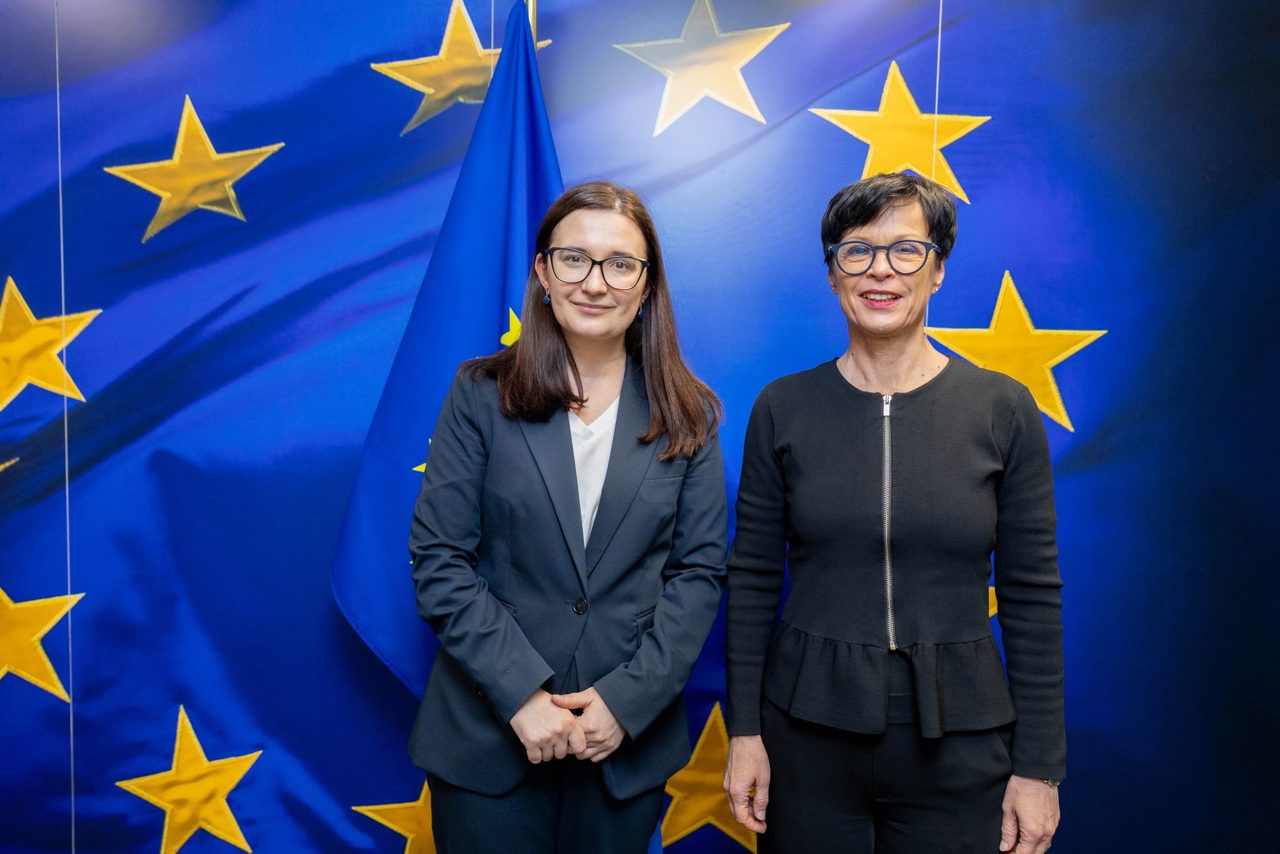
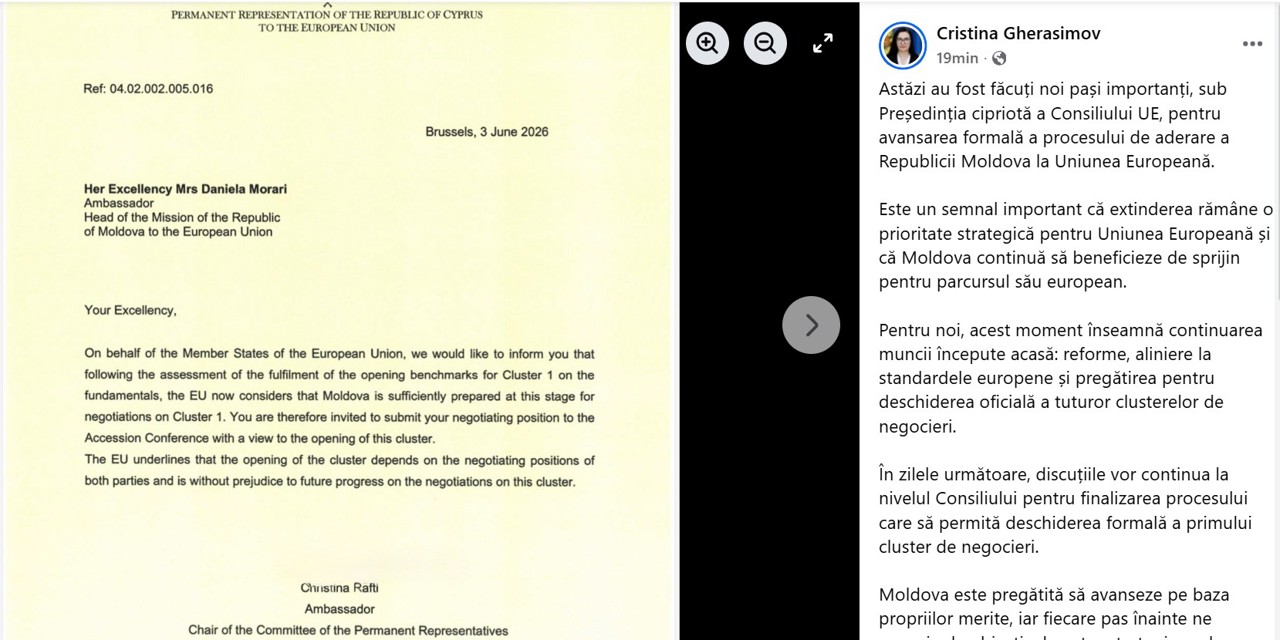
The European Union has already officially invited Moldova to begin technical discussions. Moldovan Deputy Prime Minister for European Integration Cristina Gherasimov published the official invitation following an EU assessment confirming that Chisinau is sufficiently prepared to initiate Cluster 1 negotiations, which cover fundamental values, democratic institutions, and economic operations.
"For us, this moment means continuing the work started at home: reforms, alignment with European standards, and preparing for the official opening of all negotiation clusters," Gherasimov explained.
The EU accession framework is structured into 33 chapters divided across six thematic clusters. By institutional convention, Cluster 1, which focuses on the rule of law and fundamental values, is the first to be opened and the final one to be closed in any enlargement process.
The breakthrough marks a significant shift in regional diplomacy. Bilateral ties between Budapest and Kyiv had deteriorated severely after Ukraine passed a 2017 education law mandating Ukrainian-language instruction from the fifth grade onward, followed by a 2019 statute restricting the official use of the Hungarian language in public spaces. The dispute escalated during the tenure of former Hungarian Prime Minister Viktor Orbán, whose administration utilized the veto power during Hungary's presidency of the Council of the EU to freeze the integration tracks of both candidate states.
Translation by Iurie Tataru