Moldova to open first EU accession chapters in mid-June
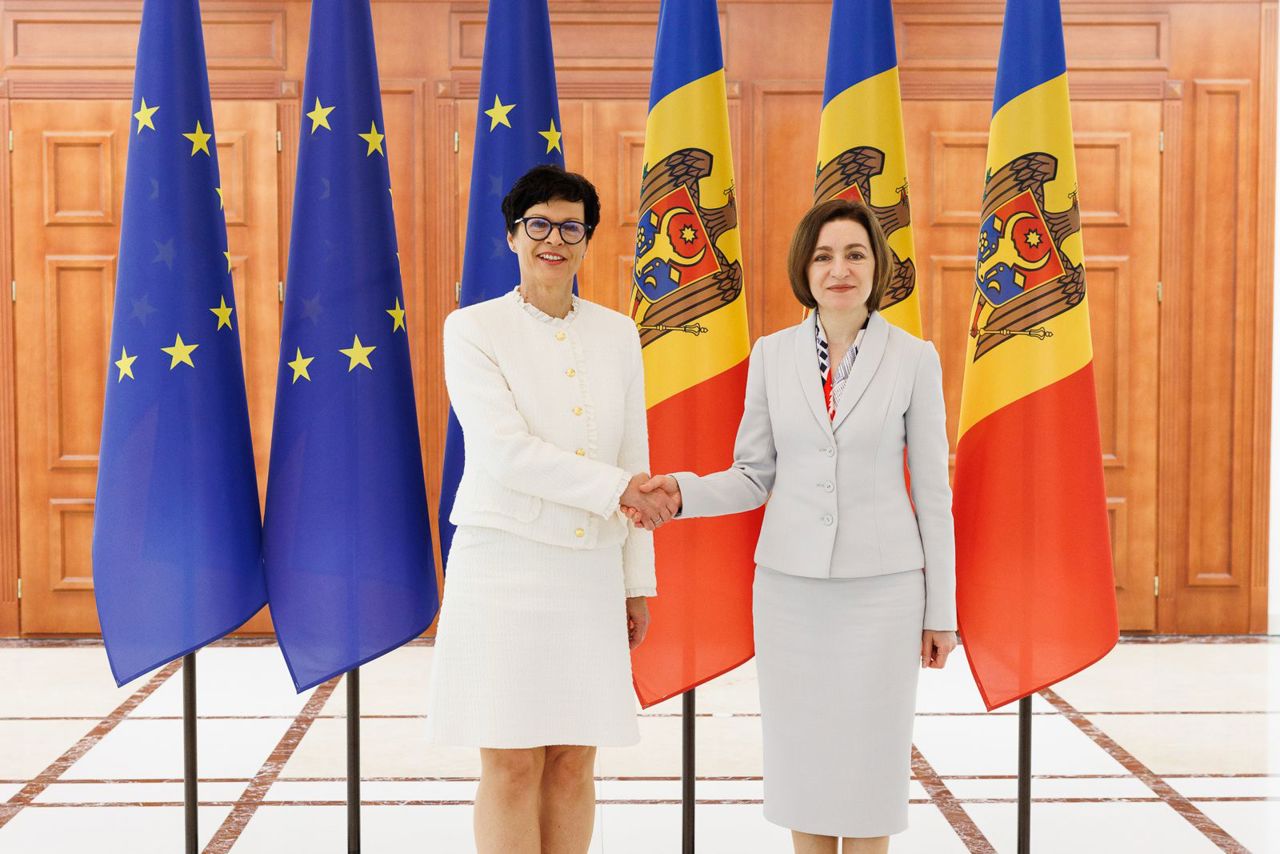
EU Enlargement Commissioner Marta Kos confirmed Thursday in Chisinau that Moldova and Ukraine could officially open their first cluster of EU accession negotiations in mid-June under the Cypriot Council presidency.
Speaking at a joint press conference with Moldovan President Maia Sandu, Kos stated that Moldova is currently leading the preparations for European Union membership. She noted that all 27 member states have greenlit the move, allowing the EU Council to formally signal its readiness to Chișinău and Kyiv.
"Moldova is in first place in its preparations for European Union membership," Kos stated, adding that she expects all negotiation clusters for both Moldova and Ukraine to open before the summer recess.
President Maia Sandu welcomed the preparatory steps taken by the Cypriot presidency, describing the consensus as a powerful sign of European unity and determination.
"I welcome the new steps taken by the Cypriot presidency of the EU Council to start preparations for the official opening of the first cluster of chapters for Moldova and Ukraine. It is a sign of unity and determination," Sandu said, emphasizing that Moldova stands ready for the next phase.
The opening of the first cluster—which governs the rule of law, justice, and fundamental rights—had faced years of delays due to Hungary’s veto regarding Ukraine, to which Moldova's accession track remains linked. The diplomatic breakthrough followed a bilateral agreement on minority protections and political transitions in Budapest.
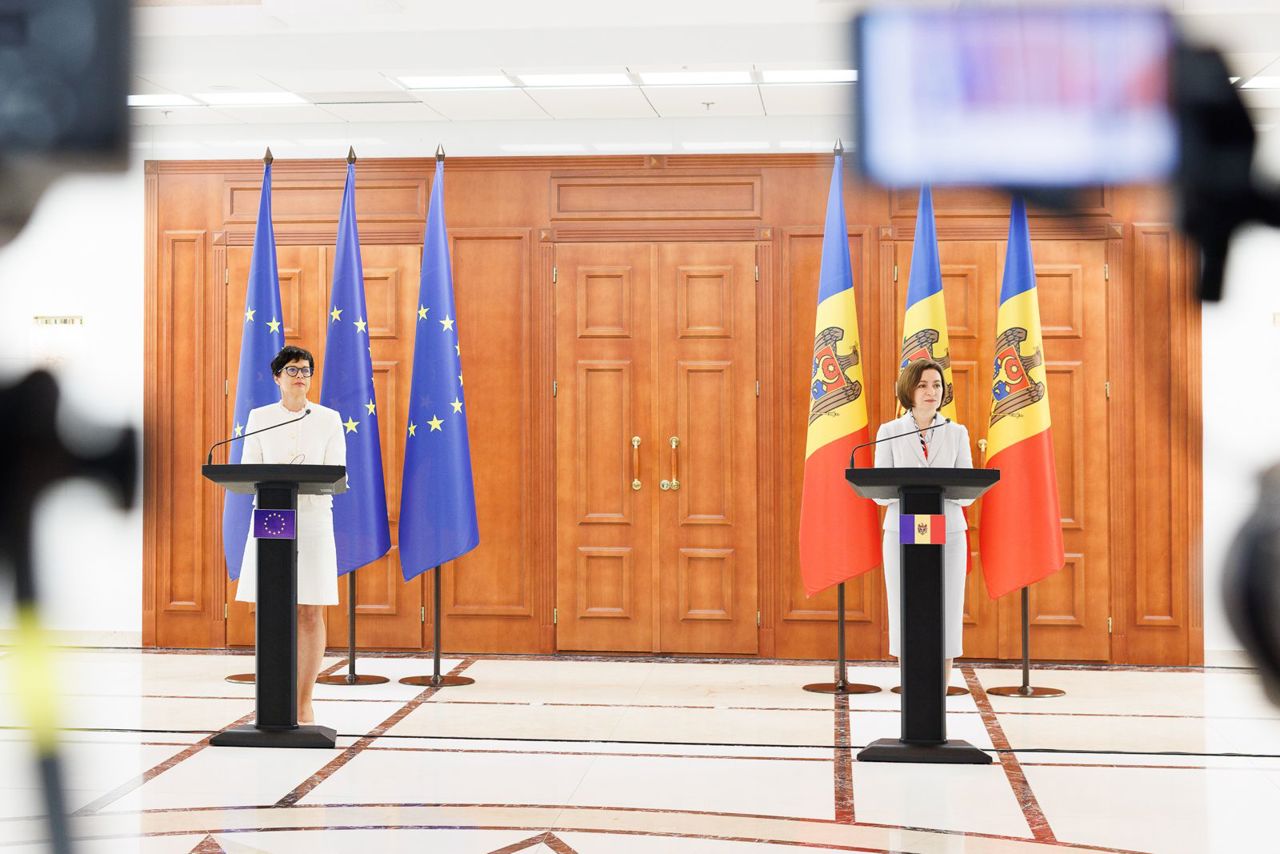
While EU sources anticipate the formal intergovernmental conference to take place around June 15, Commissioner Kos clarified that the upcoming steps remain technical but require continued political momentum.
When questioned about Moldova’s domestic goal of concluding negotiations by 2028, Kos offered an optimistic yet cautious assessment of the timeline.
"The accession process is not just about dates, about the calendar. It depends on how you deliver results," Kos warned, noting that progress hinges on member state dynamics as much as technical compliance. She urged the government to maintain its reform pace.
Translation by Iurie Tataru