World Environment Day promotes eco-friendly habits
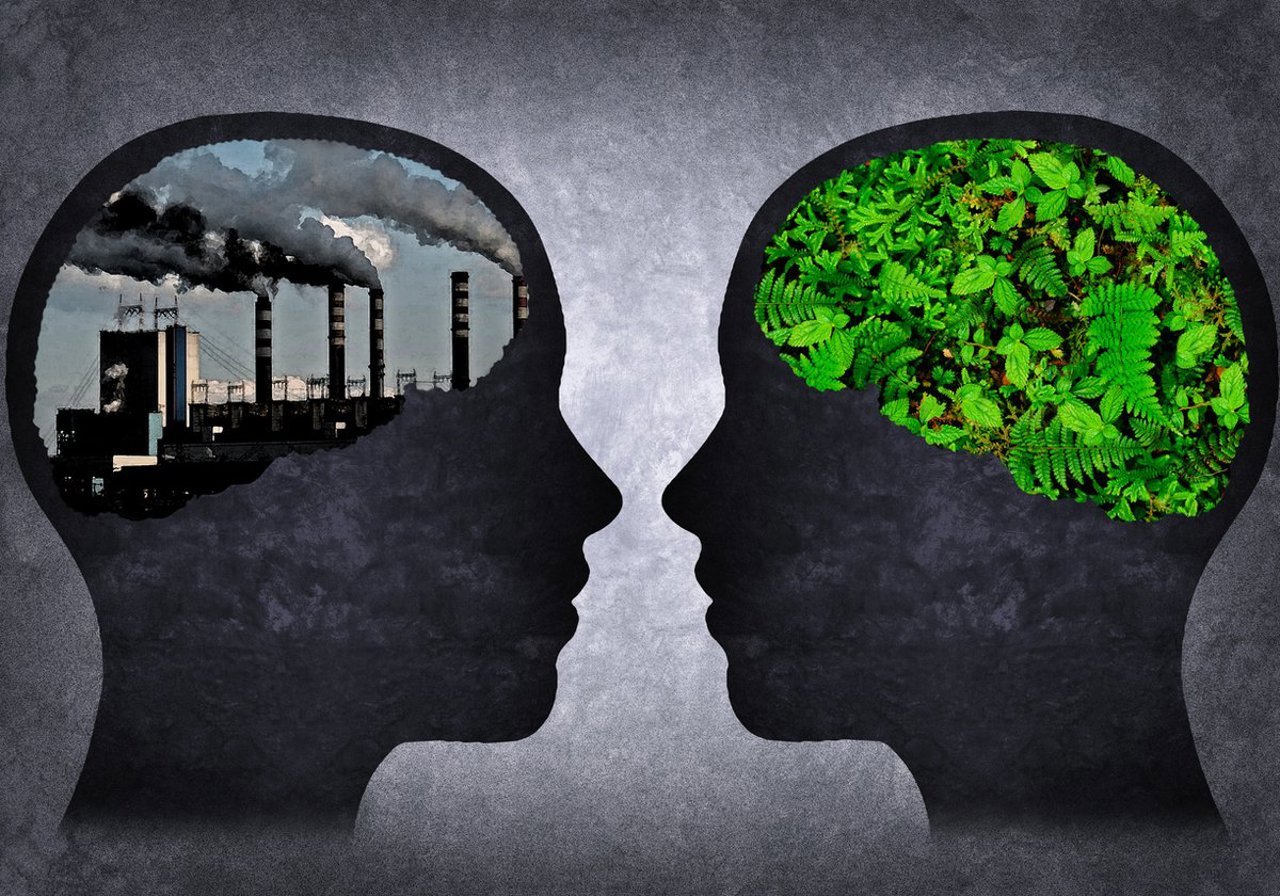
World Environment Day, celebrated annually on June 5, is the most significant global initiative focused on protecting nature. Challenges such as air pollution, illegal deforestation, and improper waste disposal continue to threaten our environment and require ongoing discussion in society.
In 2026, the event’s primary message will center on promoting climate action, emphasizing the urgent need to implement effective measures to mitigate climate change, safeguard the environment, and protect public health.
This day mobilizes millions of people worldwide to raise awareness and promote actions that support sustainable development.
"In the Republic of Moldova, the most common environmental challenges are the arbitrary and illegal dumping of waste, air pollution, especially in urban areas, water pollution and illegal deforestation," said Dorin Poverjuc, head of the Inspectorate for Environmental Protection (IPM), on the "Good Morning" show on Moldova 1.
In the event of detecting any environmental violations, citizens can file a complaint with the inspectorate by phone or through the Eco Alert platform. The information provided to specialists contributes imminently to promoting a healthy environment.
"A citizen who notices an environmental incident can file a complaint and upload photos from the place where the illegal acts were detected to the system. Inspectors go to the scene and impose sanctions, depending on the damage caused to the environment. On the occasion of World Environment Day, I urge the population to keep the environment clean. Only by preserving nature will we pass on a clean environment to future generations," explained the head of the IPM.

What we can do
The National Agency for Public Health (ANSP) has compiled a list of recommendations to help protect the environment by reducing our carbon footprint. Authorities encourage walking and the use of electric transportation as effective measures.
To help protect the environment and use resources responsibly, it's essential to utilize energy-efficient light bulbs and appliances, and to turn off lights and electronic devices when they are not in use.
In our daily lives, we should save water and avoid wasting food. Additionally, sorting waste and recycling responsibly can significantly reduce our negative impact on the environment.
Climate change: A major threat to global health
Climate change poses one of the most significant challenges to public health worldwide. The World Health Organization (WHO) estimates that between 2030 and 2050, the effects of climate change could lead to an additional 250,000 deaths annually due to increased malnutrition, diarrheal diseases, malaria, and heat stress.
Currently, around 3.6 billion people live in areas that are highly vulnerable to climate change. Its effects are evident in the increased frequency and intensity of heat waves, floods, droughts, and wildfires, as well as the rise of communicable diseases.
The European region is the fastest-warming area in the world, with temperatures rising more than twice as fast as the global average. Mortality associated with extreme temperatures has increased by over 30% in the last two decades. Without effective adaptation measures, experts estimate that the number of heat-related deaths could reach approximately 120,000 annually by 2050.
Impact on the Republic of Moldova
The Republic of Moldova is one of the European countries vulnerable to the effects of climate change, primarily due to its geographical location and the increasing frequency of extreme weather events.
In recent decades, the country has witnessed rising average annual temperatures, along with intensified heat waves, droughts, and extreme rainfall. These phenomena have direct consequences for public health.
Higher temperatures increase the risk of communicable diseases, particularly those spread by vectors such as ticks and mosquitoes. Climate change also exacerbates cardiovascular and respiratory conditions, as well as seasonal allergies, significantly impacting the elderly, children, pregnant women, and individuals with chronic illnesses.
Moreover, prolonged periods of drought and extreme weather can adversely affect the quality and availability of water resources, food security, and overall living conditions for the population.