Decaying Jewish heritage in Moldova prompts urgent rescue call
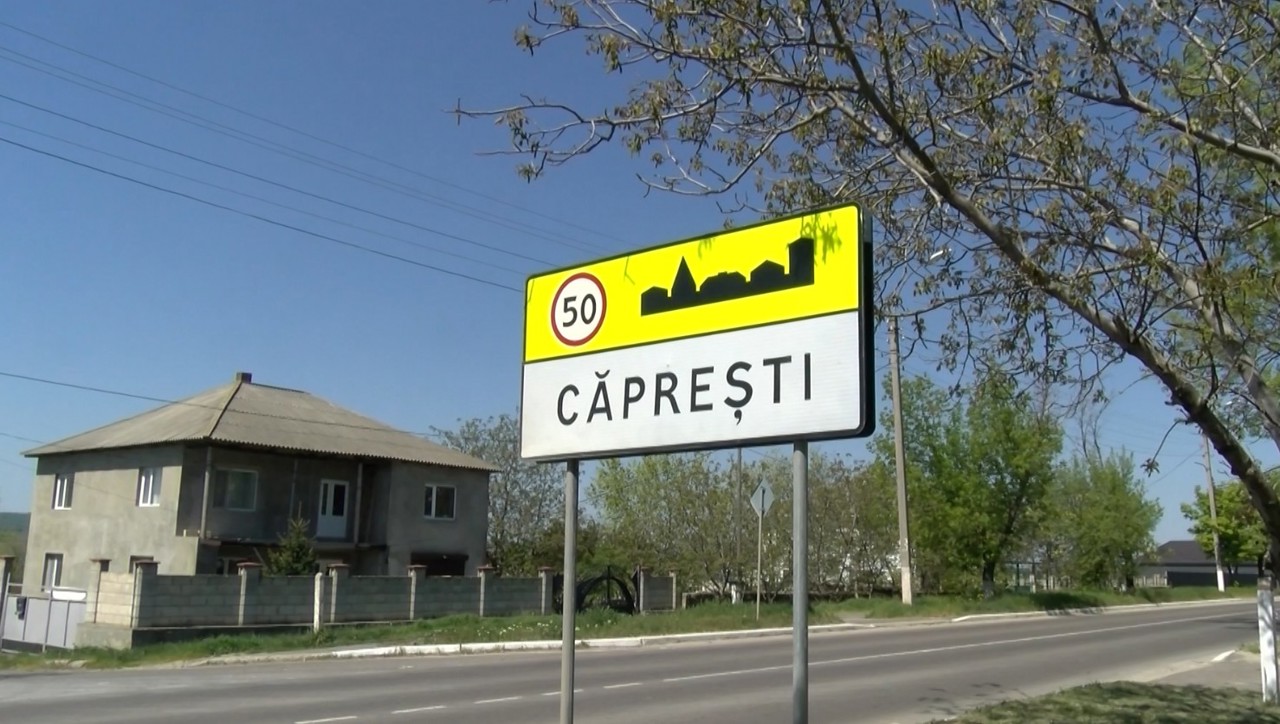
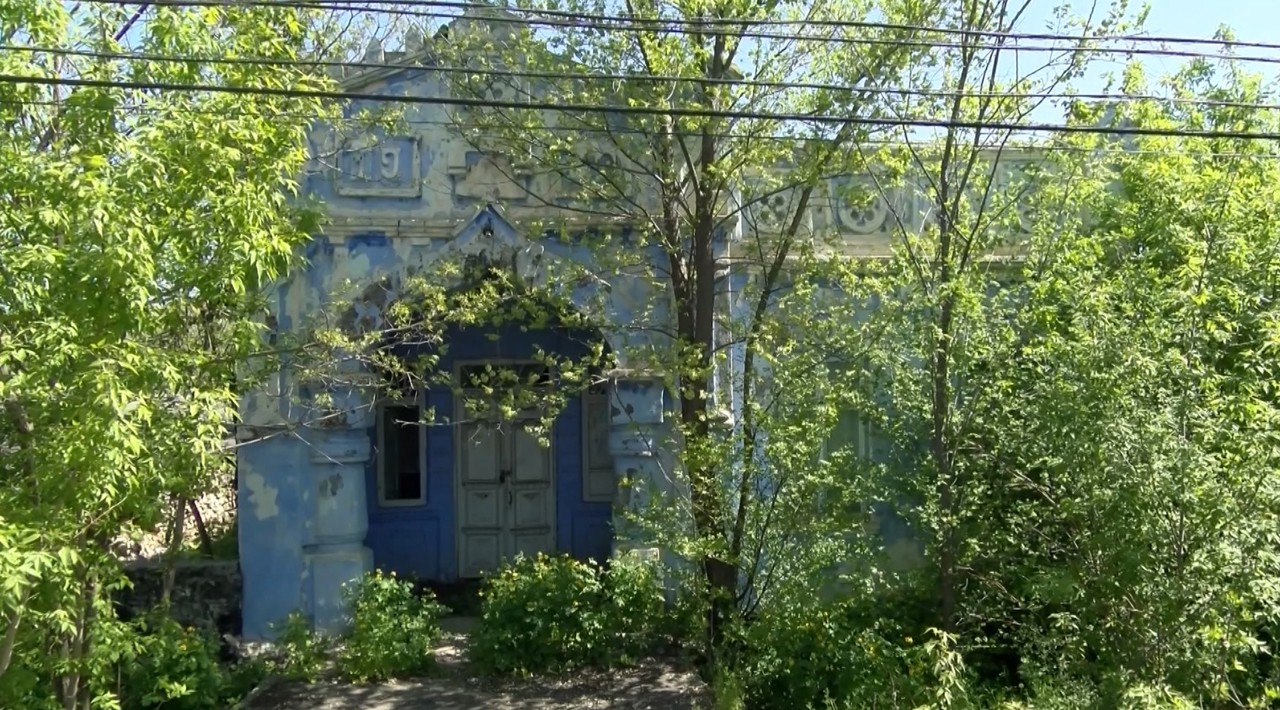
Rapidly deteriorating stone walls and collapsing roofs now threaten the last remaining century-old Jewish residences in Capresti, a village in Moldova’s Floresti District. This accelerating structural collapse has forced local residents and authorities to issue an urgent appeal to the Ministry of Culture for immediate restoration funding before these historical vestiges disappear entirely.
Only approximately 15 homes built by the Jewish community remain standing today out of hundreds of historical buildings. While some structures have been completely altered by current owners, others have fallen into deep ruin over the decades.
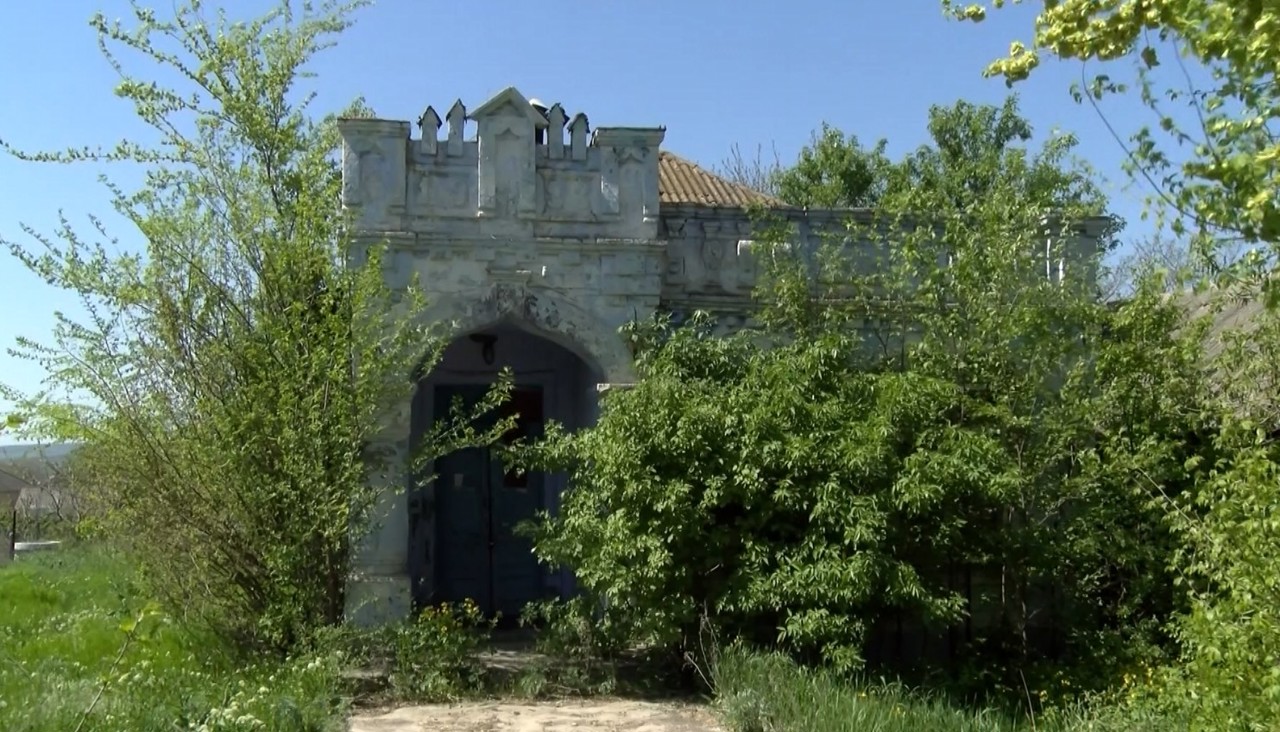
"Tourists often come here and take pictures, these houses from the Jewish time remain, they came around 1856 and about two thousand Jews lived here," said a local resident. "These are their houses, they opened shops, and during Soviet times this was the culture house, the other one was a pharmacy. The houses are old, people come and take pictures with them because the history of the Jewish era remains."
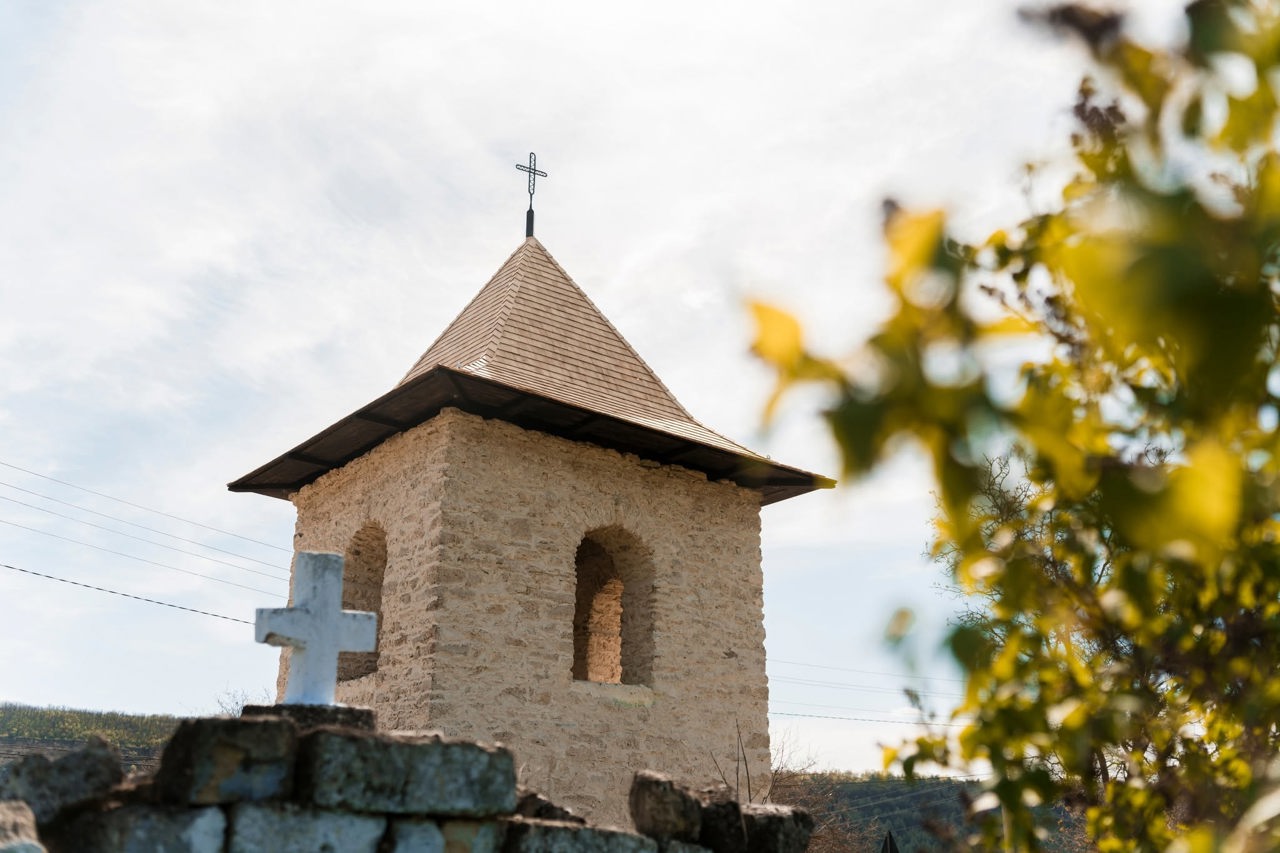
"Jews lived here since old times, but in the 1990s they all left, and for us the history remained," another villager stated. "We want the houses to be renovated, visitors to come, tourists, Jews to come see their roots, especially since the Jewish cemetery was also preserved and renovated."
Grigore Gherciu voluntarily maintains the old cemetery to prevent the local heritage from being overtaken by vegetation.
"It is our history and if it were [restored], we would live better," said Gherciu. "I take care of their cemetery, people come, they look, a few Jewish families have passed through, I renovated a few graves, but they come rarely, before they used to come in large groups, there were many, now they do not come, they do not have the possibility."
One of the village's former synagogues carries a particularly turbulent history, according to local officials.
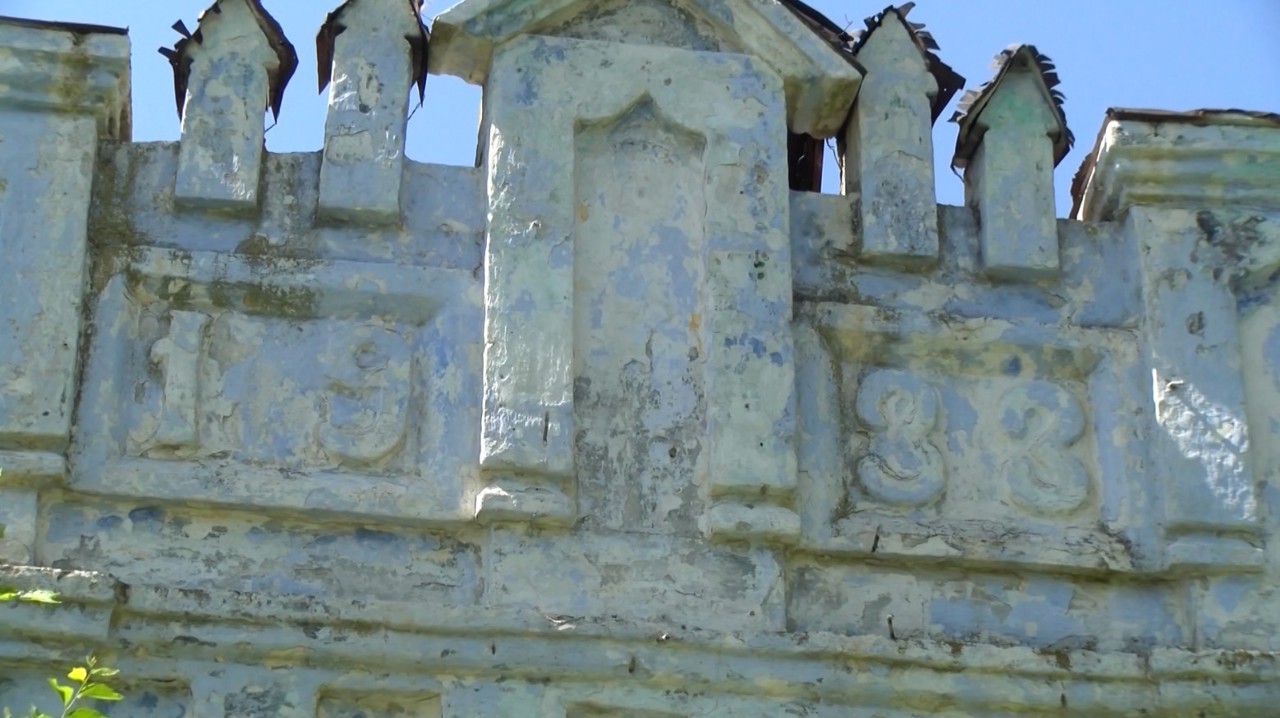
"It was the Jewish synagogue, then when the war was on, the Romanians came—they made a station chief here, a police post, a center, after the war when things changed it was the Culture House," stated Sveatoslav Hincu, the mayor of Capresti. "It would not hurt to make a museum or something here, it would be good, only Jews lived here, there was a bazaar, shops, everything until the war."
Historically, Capresti operated as one of the most prominent Jewish trading market towns in northern Bessarabia. During the late 19th century and the interwar period, over two thousand Jewish residents fueled the local economy through agriculture, crafts, and regional commerce.
Demographic records highlight this historical footprint. In the 1897 census, Jewish residents accounted for over 86% of the local population, a figure that rose to approximately 91% by 1930.
Current residents remain determined to protect these physical structures from vanishing entirely. The proposed collaboration between the Moldovan Ministry of Culture and local administrative bodies represents the final opportunity to save Capresti's remaining Jewish architectural heritage and integrate it into a protected national cultural circuit.
Translation by Iurie Tataru