Chisinau theater cuts energy bills by 70% via solar roof
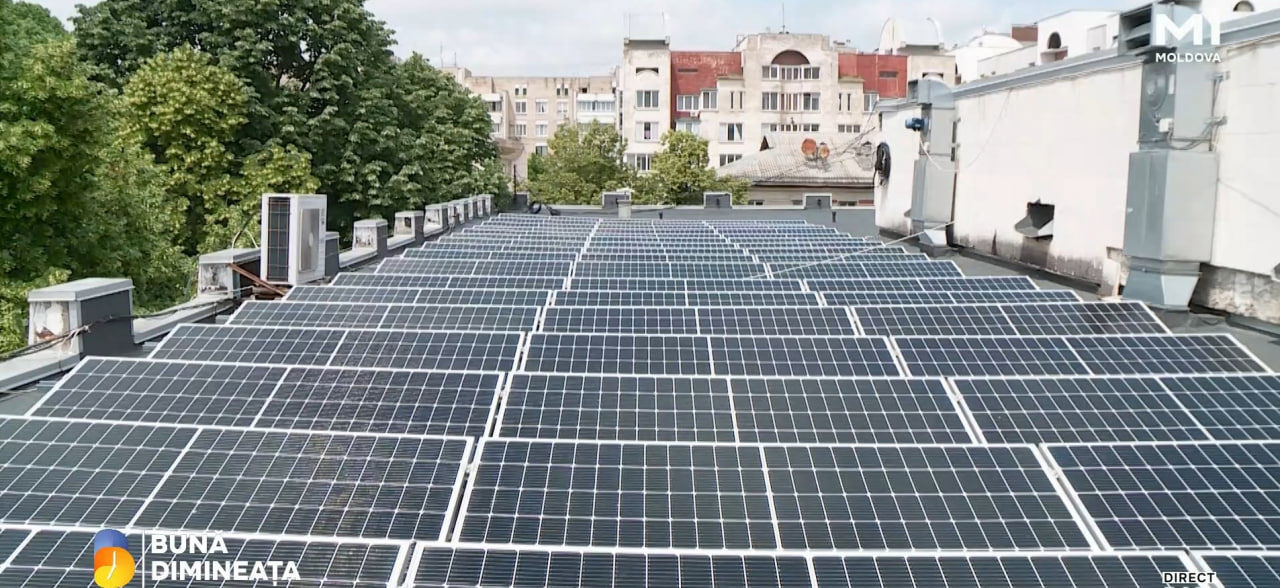
Solar panels installed on the roof of the Ginta Latină Culture and Arts Center in Chișinău now supply over 70% of the annual electricity consumed by the Teatrul Fără Nume (Theater Without a Name). The infrastructure modernization project, completed in 2023, functions under the direct financial sponsorship of the Moldovan Ministry of Culture.
This institutional green transition delivers immediate financial benefits by slashing monthly operational overhead. The total state allocation for the infrastructure upgrade amounted to €102,041 (approx. 2,000,000 MDL).
The strategic initiative emerged immediately following a capital renovation of the building's roof structure. Nicu Țărnă, the Director of the Ginta Latină Culture and Arts Center, detailed the administrative process during a broadcast produced by Valeria Suhari for Moldova 1.
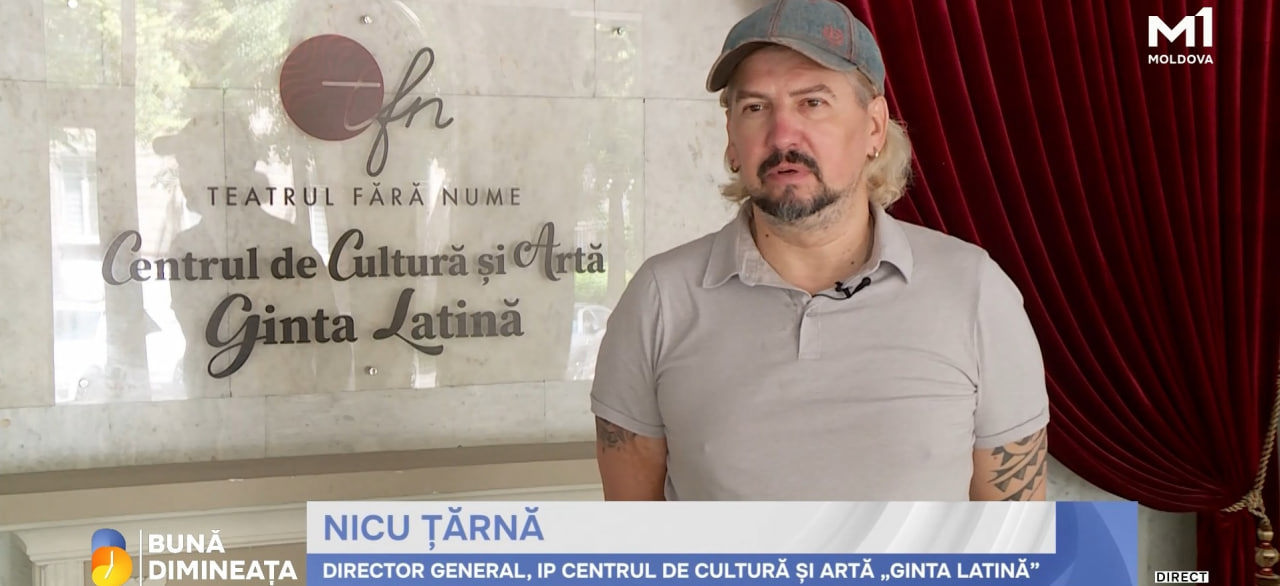
"The Ministry of Culture, as the founder of our institution, covered the second part of the investment. It was an investment of approximately two million lei," stated Nicu Țărnă.
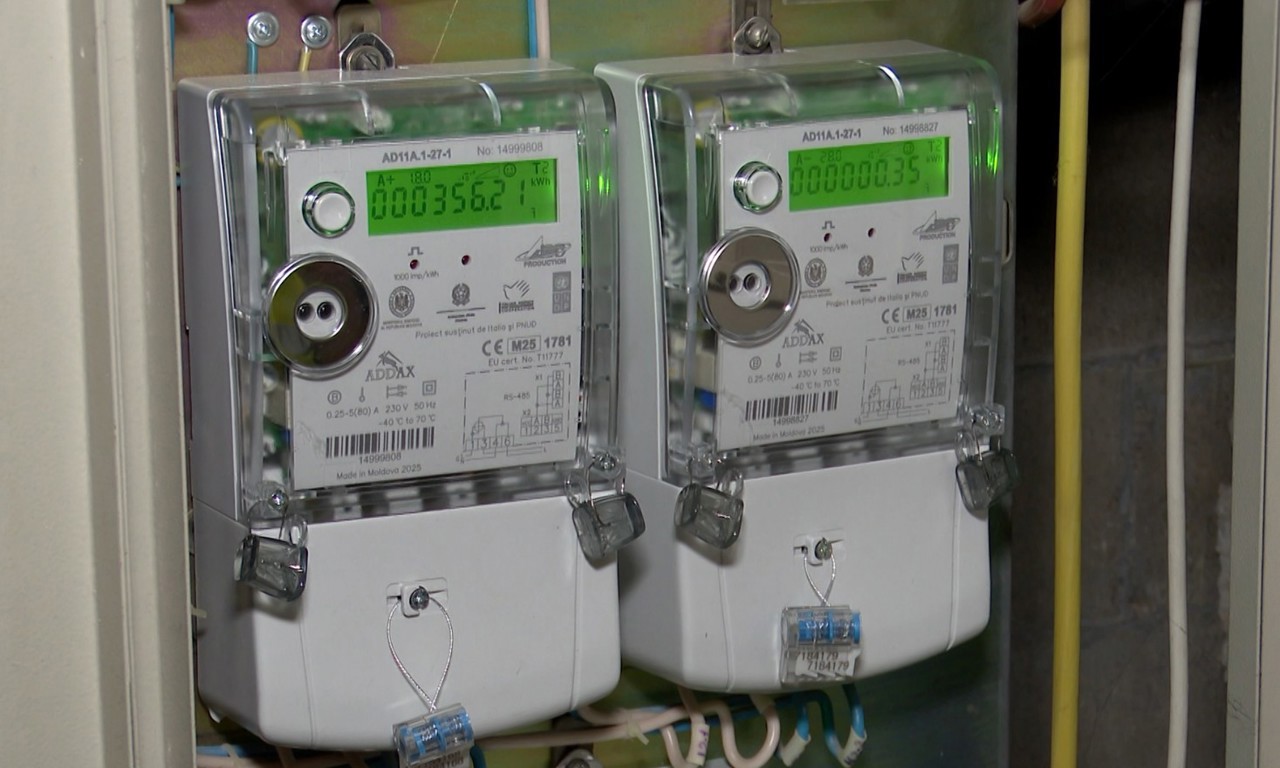
Managing this modern technical ecosystem requires ongoing specialized supervision. At the current operational stage, monitoring the solar array falls under the direct responsibility of the theater's chief engineer.
"For us, as a state institution and theater, it's a lot of money. We have an installed capacity of 100 kW and you can imagine what an investment this implies. It took practically a year and something from idea to implementation," reported the chief engineer.
Financial amortization and maintenance
Fiscal balance sheets demonstrate that the structural investment is rapidly generating high returns. A significant portion of the initial capital deployment has already been offset by dramatic reductions in utility grid dependence.
"The investment pays for itself in about six to seven years, so there is little left until the full recovery of expenses," added the chief engineer.
Integrating solar infrastructure serves an ecological imperative alongside its budget-saving functions. The transition directly supports environmental preservation by reducing the carbon footprint of public cultural activities.
Director Nicu Țărnă emphasized that harvesting solar energy yields dual rewards, blending corporate environmental responsibility with measurable fiscal relief.
"Our institution, practically seven to eight months a year, has zero electricity bills. Maybe it's not about savings of hundreds of thousands of lei, but certainly, there are tens of thousands of lei that we can redirect to other expenses," noted Nicu Țărnă.
Global sustainability and energy transition
Solar energy remains one of the most accessible forms of renewable utility infrastructure across both public and private sectors worldwide. These localized technical upgrades systematically reduce carbon emissions and minimize national dependence on traditional fossil fuels.
Translation by Iurie Tataru