Government pushes new media law, opposition raises concerns

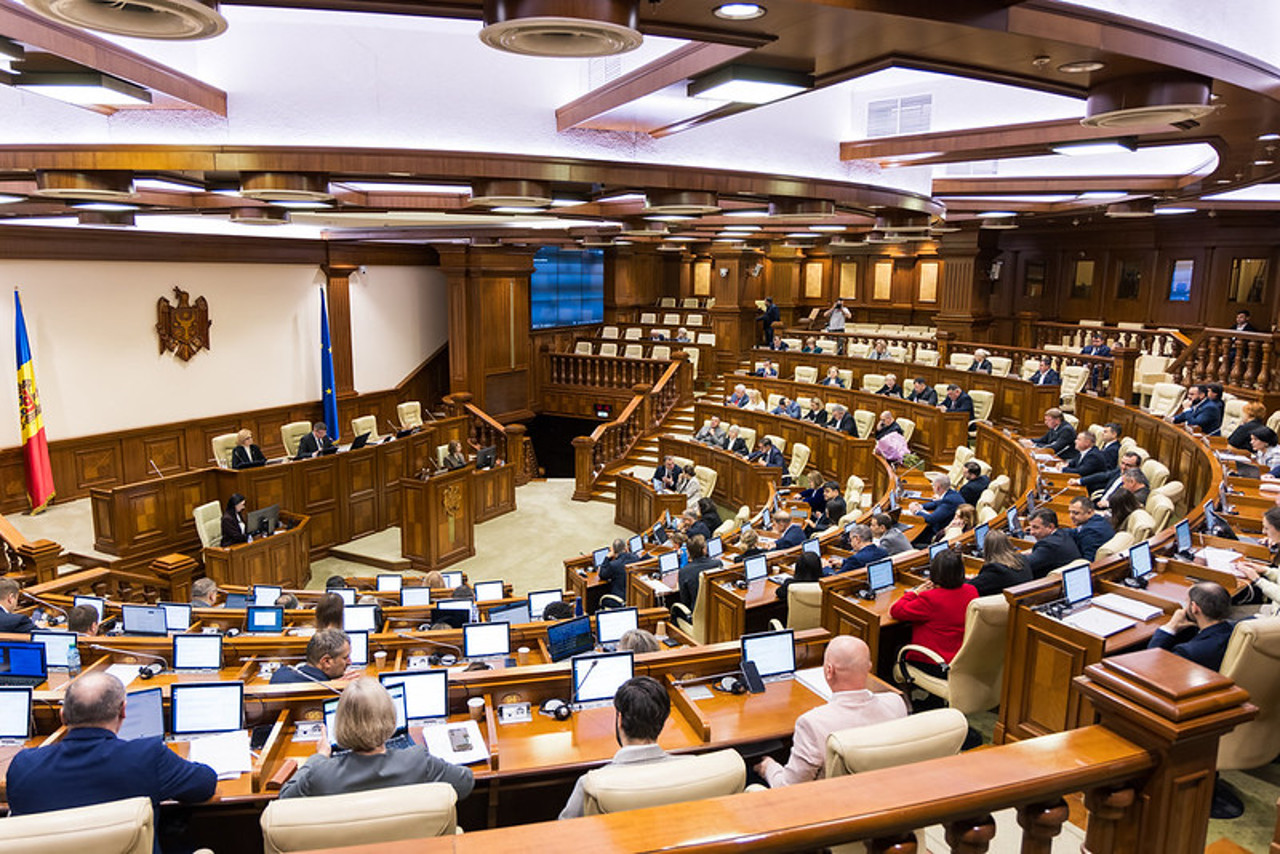
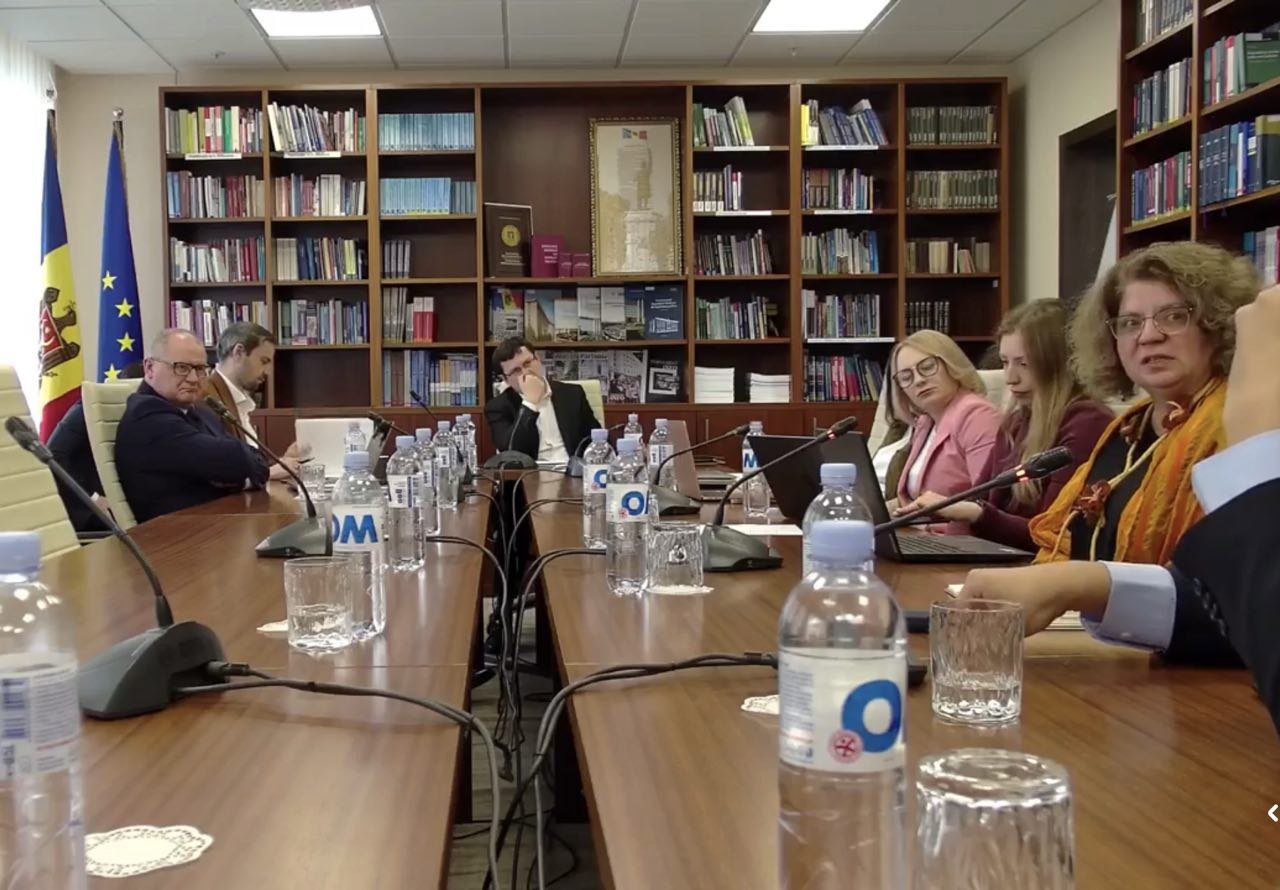
The Parliament is set to approve a new law that will regulate the media sector. This initiative was reviewed on Wednesday, June 10, by the Committee on European Integration. However, the opposition has raised concerns about two specific provisions: the registration of media service providers and the liability for published content.
According to Liliana Nicolaescu-Onofrei, a Member of Parliament from the Action and Solidarity Party (PAS) and the author of the project, the new law will replace the existing legislation from 1994. Its goal is to align Moldova's media framework with European standards.
Nicolaescu-Onofrei stated that the old law "does not reflect technological developments" and is outdated in relation to today's media landscape. This new initiative aims to comply with the European Media Freedom Act.
The proposed law ensures editorial independence, protects journalists and their sources, promotes transparency in media ownership—including identifying the actual beneficiaries of media outlets—and prevents market concentration by clarifying the Competition Council's responsibilities.
A separate chapter focuses on self-regulation within the media industry by strengthening the Press Council. According to the Member of Parliament (MP), this project was developed in collaboration with a group of experts from the European Commission.
The first point of contention was the administration of the media register. Gaik Vartanean, an MP from the "Alternativa" faction, argued that, based on European practices, "99 percent" of states do not allow a ministry to manage the media register due to the potential for political influence. He cited criticism from the European Commission regarding Hungary, Poland, and Croatia for this reason.
Liliana Nicolaescu-Onofrei responded by stating that the proposed register "cannot prevent media representatives from carrying out their activities" and would be especially beneficial for accessing public funds. She emphasized that the Ministry of Culture, which regulates media policies, should be aware of the entities operating in the field.
Marcel Spătari, the chairman of the European Integration Committee, suggested a compromise to be discussed in the bill's two readings. He proposed that the register be administered by the Press Council while still ensuring that the Ministry of Culture and other institutions have access to the information, a solution he believed would be "more popular" among civil society and the press.
The second contested issue concerned liability for content. Vartanean raised concerns about a provision that obliges media editorial offices to remove certain content from their platforms, potentially resulting in criminal liability. He warned of a potential “inhibitory effect” causing self-censorship, particularly when the press criticizes the government.
Nicolaescu-Onofrei rejected this interpretation, arguing that the bill does not seek to intervene before publication—“which would mean censorship”—but is aimed solely at the removal of illegal content, such as incitement to hatred, discrimination, or actions against specific groups. She clarified that liability would not apply "in any situation and at any time," but only to illegal content, and she agreed to reformulate the text to eliminate ambiguity.
Communist MP Constantin Starîș questioned the overall logic of the reform, asserting that the draft contains "ideological" provisions unrelated to the technology cited as the reason for the change, and he urged that the press be "left alone."
The author responded by stating that respecting boundaries is an issue of journalistic ethics and reaffirmed her willingness to clarify the language regarding illegal content.