Alexandru Munteanu reaffirms Moldova’s EU ambitions in Sofia
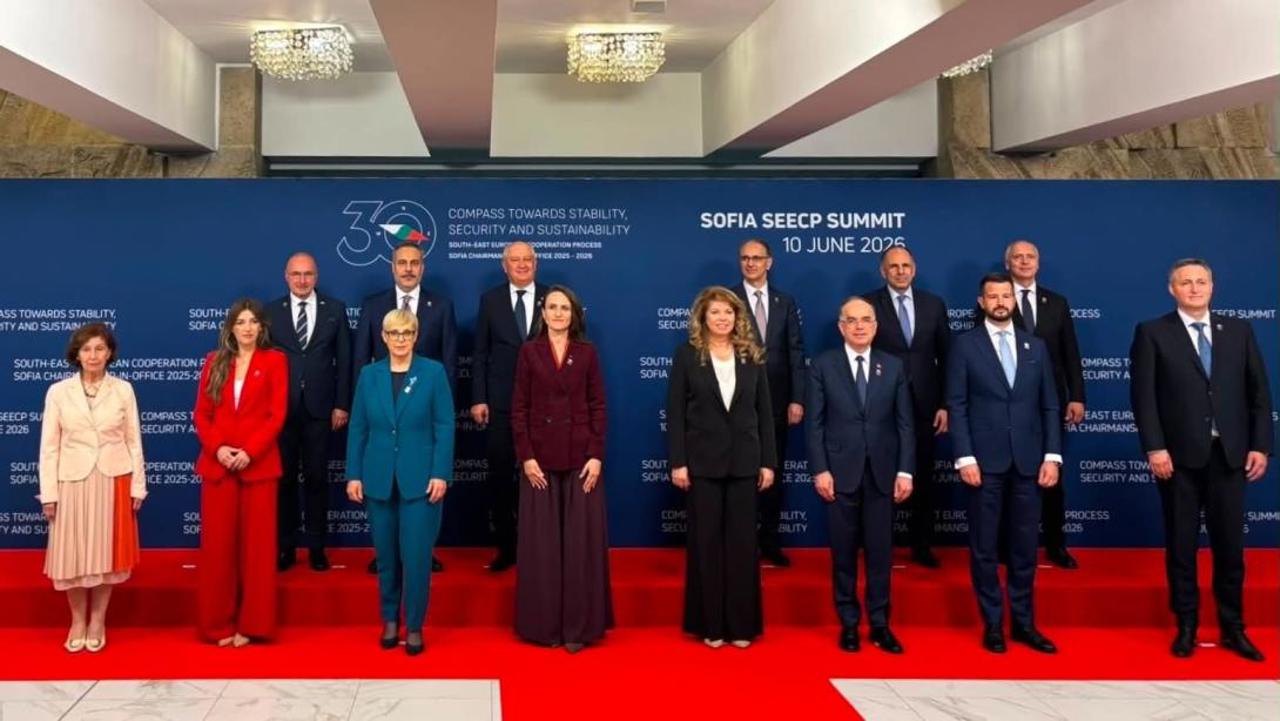
The Republic of Moldova has a clear and steadfast aspiration to become a member of the European Union and contribute to a united, secure, prosperous, and peaceful Europe. Prime Minister Alexandru Munteanu made this statement on June 10 during the summit commemorating the 30th anniversary of the South-East European Cooperation Process (SEECP), held in Sofia.
In his speech, the Prime Minister highlighted the European path of the Republic of Moldova, stating that our country has made significant progress despite facing external interference, hybrid threats, energy pressures, and economic difficulties.
The Head of the Executive emphasized that European integration is already offering tangible benefits to citizens. This includes the operationalization of the SEPA system (Single Euro Payments Area) and the full implementation of the “Roaming like home” regime, which connect citizens, businesses, and institutions more closely with the European family.
“Our citizens voted for Europe, and we are determined to turn this vote into reality,” the Prime Minister said.
Alexandru Munteanu pointed out that the SEECP has become an essential platform for political dialogue, solidarity, and regional ownership, thereby strengthening trust and stability in South-Eastern Europe. Over the years, several SEECP participants have successfully joined the EU, while others continue to make steady progress toward this goal.
“SEECP has evolved into a pillar of regional commitment, solidarity, and political dialogue. Thirty years of SEECP have taught us the value of dialogue. The years to come must demonstrate the power of solidarity transformed into action. Cooperation remains one of the most solid foundations for building trust and stability in our region,” the Prime Minister added.
Additionally, Alexandru Munteanu addressed the security challenges posed by Russia’s war of aggression against Ukraine and its impact on the entire region. He condemned the attacks that threaten regional security and reaffirmed the Republic of Moldova's solidarity with Ukraine and with partners affected by the consequences of the war.
“Resilience cannot be built in isolation. It is developed through solidarity, partnership, and a shared commitment to our common security. Today, more than ever, we need stronger regional cooperation, deeper connectivity, increased energy security, and more effective mechanisms to address challenges,” the Prime Minister stated.
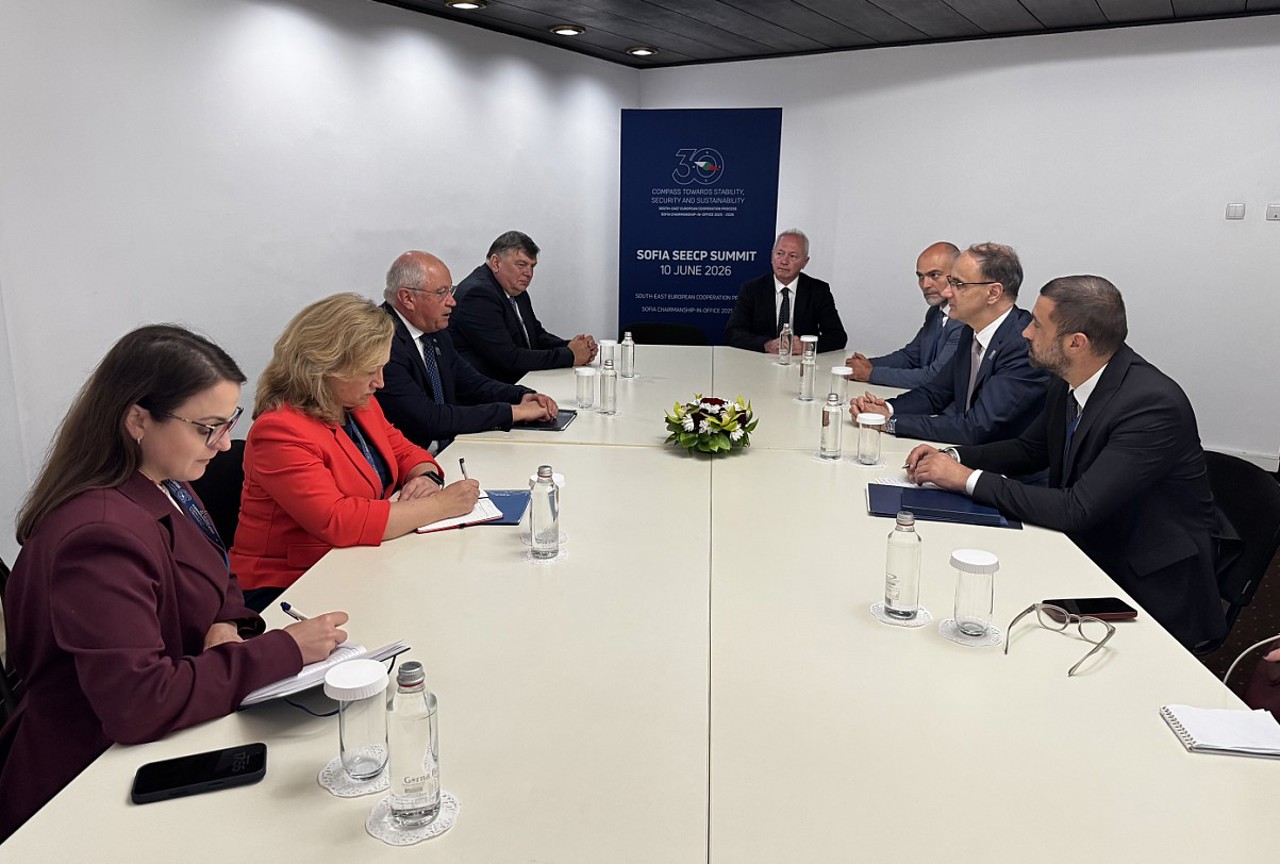
On the sidelines of the summit, the Head of the Executive met with his Bulgarian counterpart, Rumen Radev. The two officials discussed strengthening Moldovan-Bulgarian cooperation, enhancing political dialogue, and advancing the Republic of Moldova's European path.
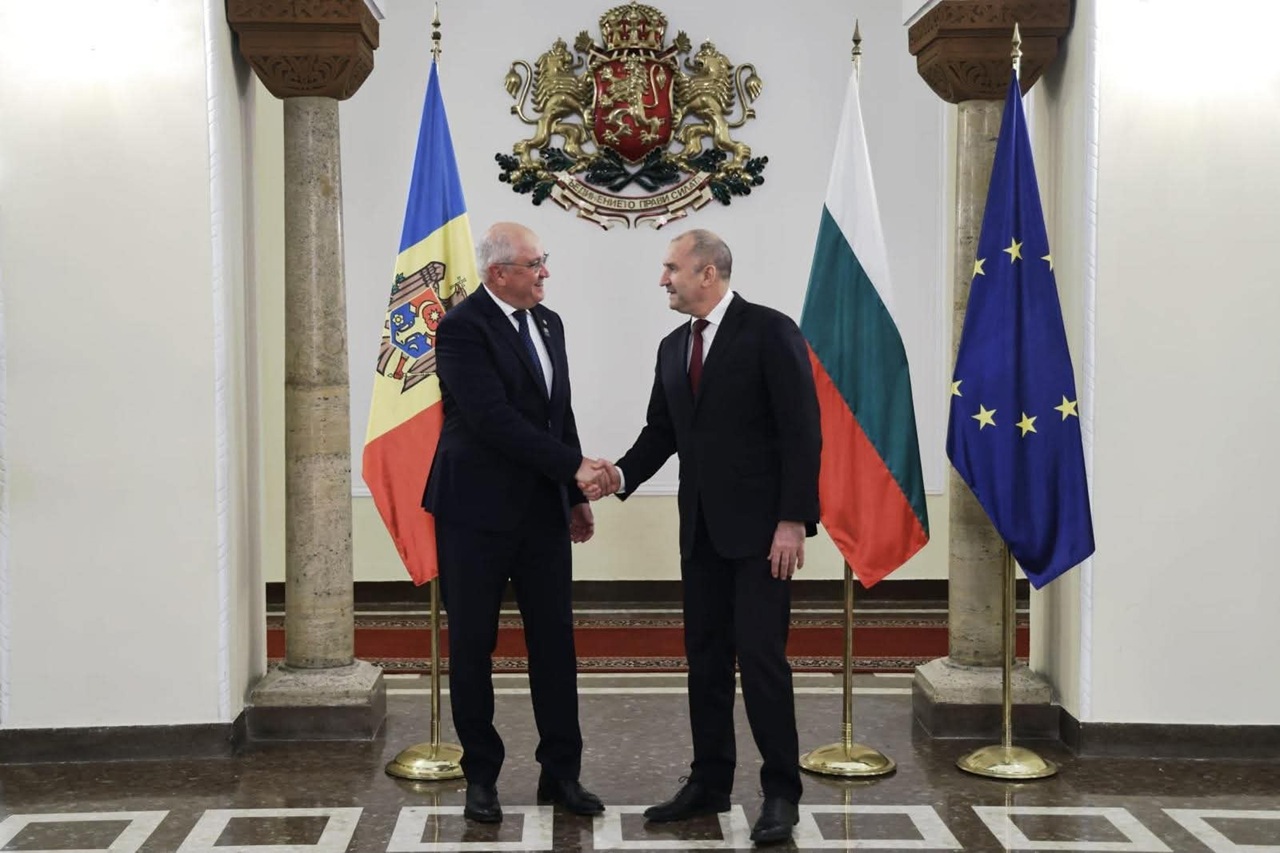
Prime Minister Alexandru Munteanu expressed his gratitude for Bulgaria's consistent support of Moldova's European agenda and emphasized the importance of maintaining this support as the country moves towards opening accession negotiations across all clusters.
The two prime ministers also discussed collaboration on energy security. The Head of the Chisinau Executive acknowledged Bulgaria's significant role in the Vertical Gas Corridor initiative, which aims to diversify energy supply sources.
Additionally, the officials exchanged perspectives on the security situation in the broader Black Sea region, which continues to be impacted by Russia's war of aggression against Ukraine. Both the Republic of Moldova and Bulgaria reaffirmed their mutual interest in enhancing regional resilience, connectivity, economic security, and collaboration with European partners.
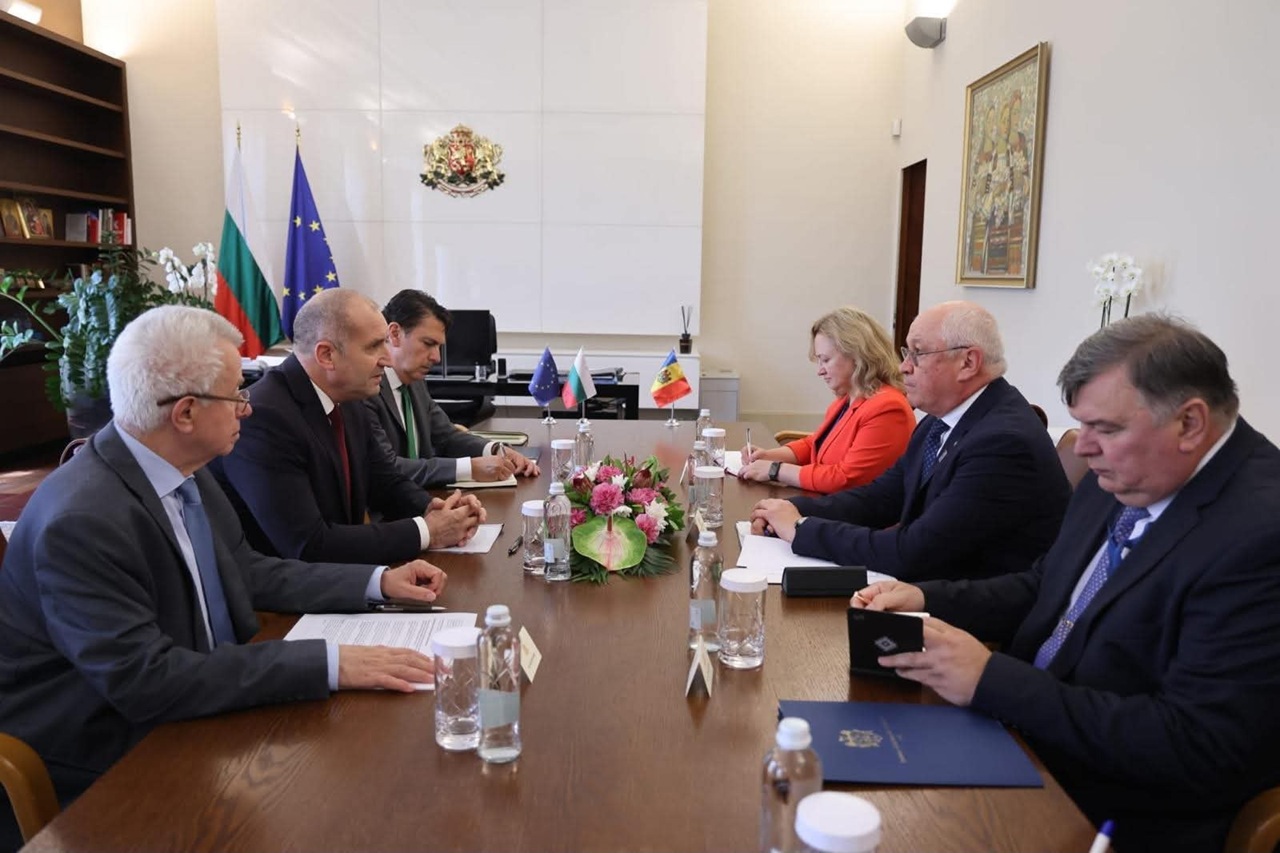
During the South-East European Cooperation Process Summit in Sofia, Alexandru Munteanu met with the Prime Minister of the Republic of Serbia, Djuro Macut. They discussed ways to enhance the political dialogue between Moldova and Serbia, strengthen bilateral cooperation, and address regional and European issues.
Munteanu emphasized that Serbia is a key player in the Western Balkans and an important partner for regional collaboration. The two leaders exchanged perspectives on security developments in the region, their countries' European paths, and the need to boost regional resilience.
Both prime ministers reaffirmed their commitment to continue the bilateral dialogue and cooperation in areas of mutual interest. They emphasized the importance of promoting trade exchanges and advancing negotiations on draft agreements, all for the benefit of the citizens of both nations.