New Romanian government program prioritizes PNRR and digitalization
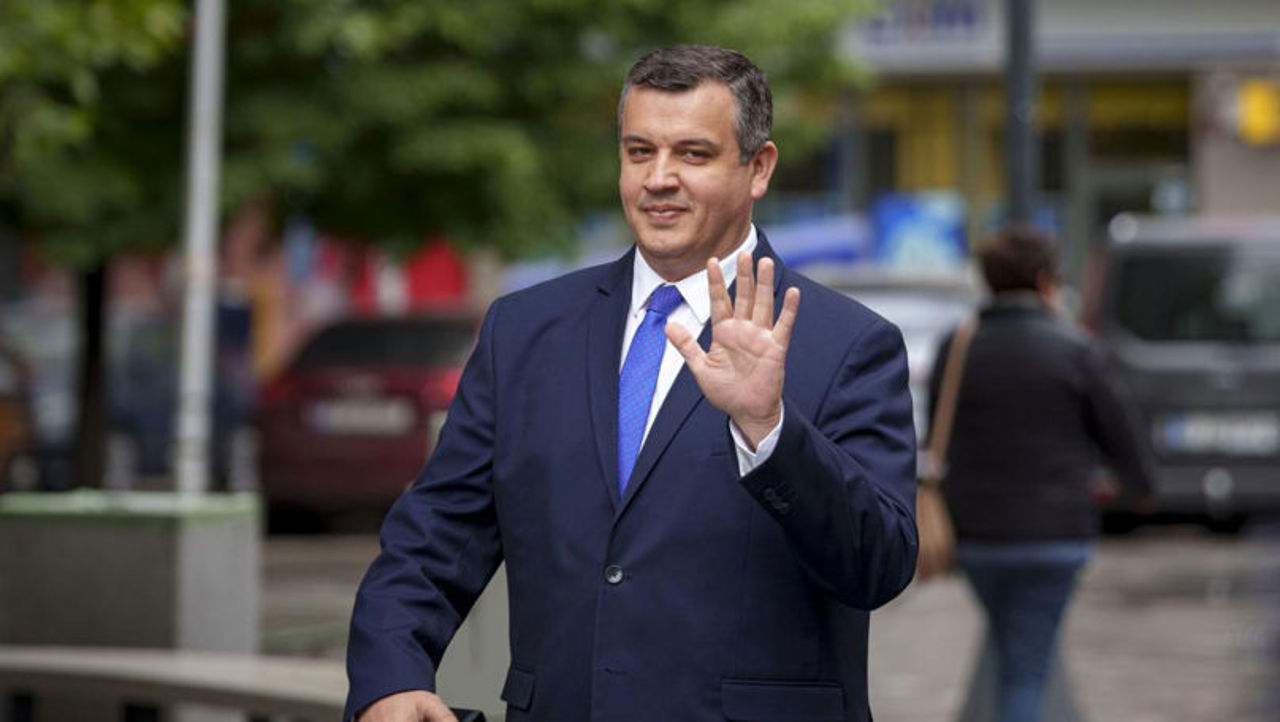
Romania’s Prime Minister-designate, Eugen Tomac, has finalized his cabinet lineup. He will distribute the official governing program to all parliamentary parties on Thursday, June 11.
The strategy focuses entirely on the structural reforms mandatory under the European Union’s National Recovery and Resilience Plan (NRRP). Tomac emphasized that fulfilling these EU milestones remains the executive's absolute priority.
Institutional stability over electoral gains
The incoming administration aims to bypass short-term populist measures. Instead, the focus shifts to ensuring institutional continuity and accelerating pending structural reforms.
Tomac stated that his team seeks to optimize relations with the private sector and restore macroeconomic predictability. The strategy addresses immediate economic demands rather than political campaigning.
Technocratic expertise and digital overhaul
A central objective of the new program is the sweeping digitalization of the public administration. To lead this effort, Tomac proposes creating a dedicated Deputy Prime Minister position for Digitalization.
The role will be filled by businessman Valeriu Nistor. As a non-portfolio Deputy Prime Minister, Nistor will leverage his private-sector experience to oversee economy, finance, and corporate relations.
The proposed cabinet relies heavily on seasoned technocrats and diplomats:
Ministry of Foreign Affairs: Luca Niculescu, current State Secretary and coordinator of Romania's OECD accession process.
Ministry of National Defense: Dan Neculăescu, Romania’s current Ambassador to NATO.
Ministry of Education: Sorin Costreie, Presidential Advisor on Education and Research.
Overcoming the legislative deadlock
The Prime Minister-designate spent the week negotiating with pro-Western factions to secure the necessary legislative backing. Parliamentary leaders are awaiting the full text of the program before committing their support.
The political impasse follows the ousting of Ilie Bolojan’s cabinet on May 5 via a no-confidence motion. President Nicușor Dan designated Tomac on June 4, triggering a strict 10-day constitutional countdown.
The proposed executive needs at least 233 parliamentary votes to take office. Tomac has urged political factions to show flexibility and support a government of independent specialists.
A profile of regional alignment
Eugen Tomac’s political career is deeply rooted in international relations and institutional governance. He previously served as a state secretary and presidential advisor on diaspora affairs under Traian Băsescu.
During his tenure, Tomac streamlined the citizenship restoration process for citizens of neighboring Moldova. He also spearheaded significant cultural and educational support programs for the region.
Since July 2019, Tomac has served as a Member of the European Parliament. He secured a second European mandate in May 2024, reinforcing his alignment with Brussels policies.
Translation by Iurie Tataru