E3 leaders seek Trump backing for tougher Ukraine peace plan
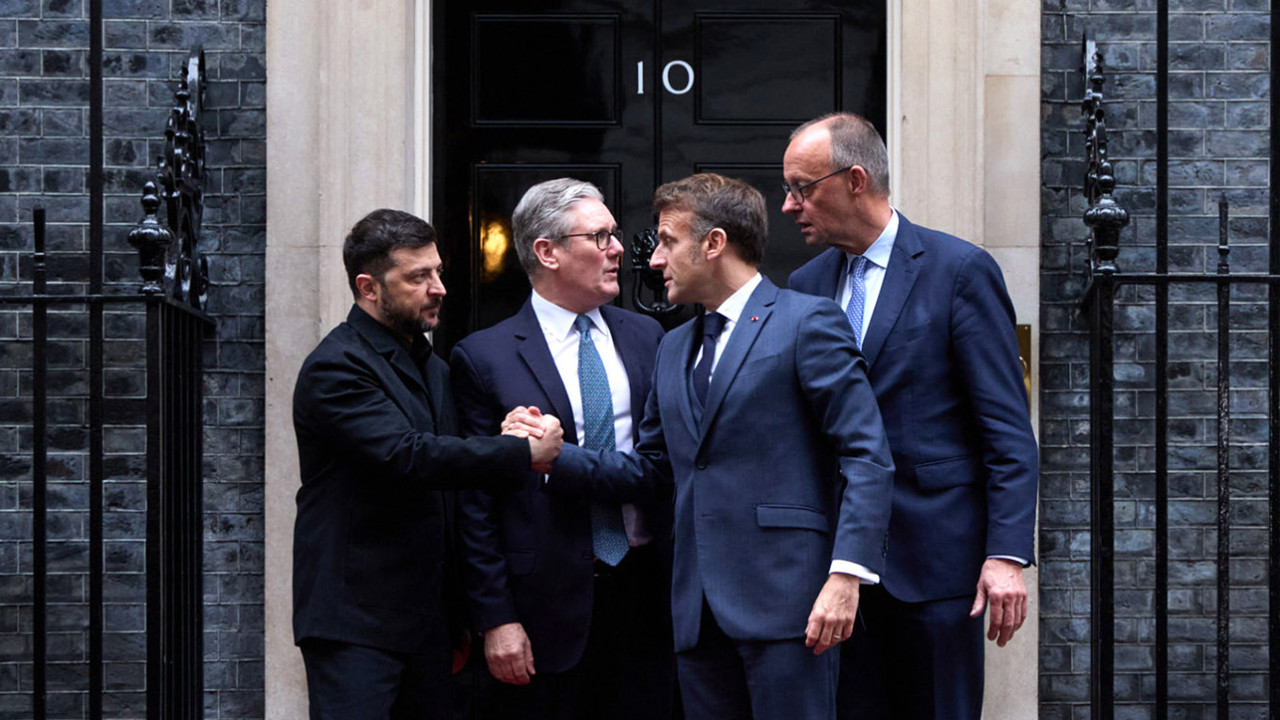
The United Kingdom, France, and Germany are launching a coordinated diplomatic effort to secure Donald Trump’s endorsement for a more assertive peace strategy in Ukraine. The European trio, known as the "E3," intends to engage Moscow from a position of enhanced strength rather than accepting prior concessions.
Sources close to European officials reveal that E3 leaders believe the battlefield dynamics have shifted in Kyiv’s favor. This shift offers an opening to surpass the restrictive conditions discussed during the Trump-Putin meeting in Alaska in August 2025.
The G7 proposal
The newly developed peace framework is scheduled for discussion with Trump at the G7 summit in France next week. The E3 blueprint demands an immediate ceasefire along the current frontlines as a baseline for negotiations.
Furthermore, the European powers insist on robust post-war security guarantees for Ukraine. These measures would include the deployment of international military forces on the ground to ensure long-term stability.
Kremlin resistance
These strategic terms form part of a five-point proposal finalized by Keir Starmer, Friedrich Merz, and Emmanuel Macron following their recent meeting with Volodymyr Zelenskyy. Moscow has historically rejected most of these parameters.
Vladimir Putin continues to demand Ukrainian territorial concessions in the Donbas and opposes any foreign military presence. Within the Kremlin, this hardline stance is referred to as the "Anchorage spirit," reflecting the bilateral understandings allegedly reached with Trump in Alaska.
Changing battlefield realities
Despite skepticism from some Western officials regarding Moscow's willingness to compromise, European leadership views the Kremlin's position as increasingly fragile. In the fifth year of the conflict, the Russian military faces a clear operational deadlock and targeted territorial losses.
Simultaneously, Ukrainian long-range drone strikes have systematically disrupted Russian supply lines to Crimea. Frequent attacks on refineries and military-industrial facilities have triggered severe fuel shortages in occupied Crimea and southern Russian regions.
A broader peace mandate
As economic strain and domestic discontent grow within Russia, European diplomats believe the time is right to maximize pressure. EU Top Diplomat Kaja Kallas suggested expanding the peace framework to mandate the withdrawal of Russian troops from Transnistria, South Ossetia, and Abhazia.
With US diplomatic efforts currently preoccupied by escalating tensions with Iran, the E3 sees a critical opportunity to lead the negotiation process. Securing Trump's alignment next week could pave the way for quadrilateral peace talks involving the US, Europe, Ukraine, and Russia as early as July.
Translation by Iurie Tataru