Moldova redefines anti-corruption roles amid civil society warnings
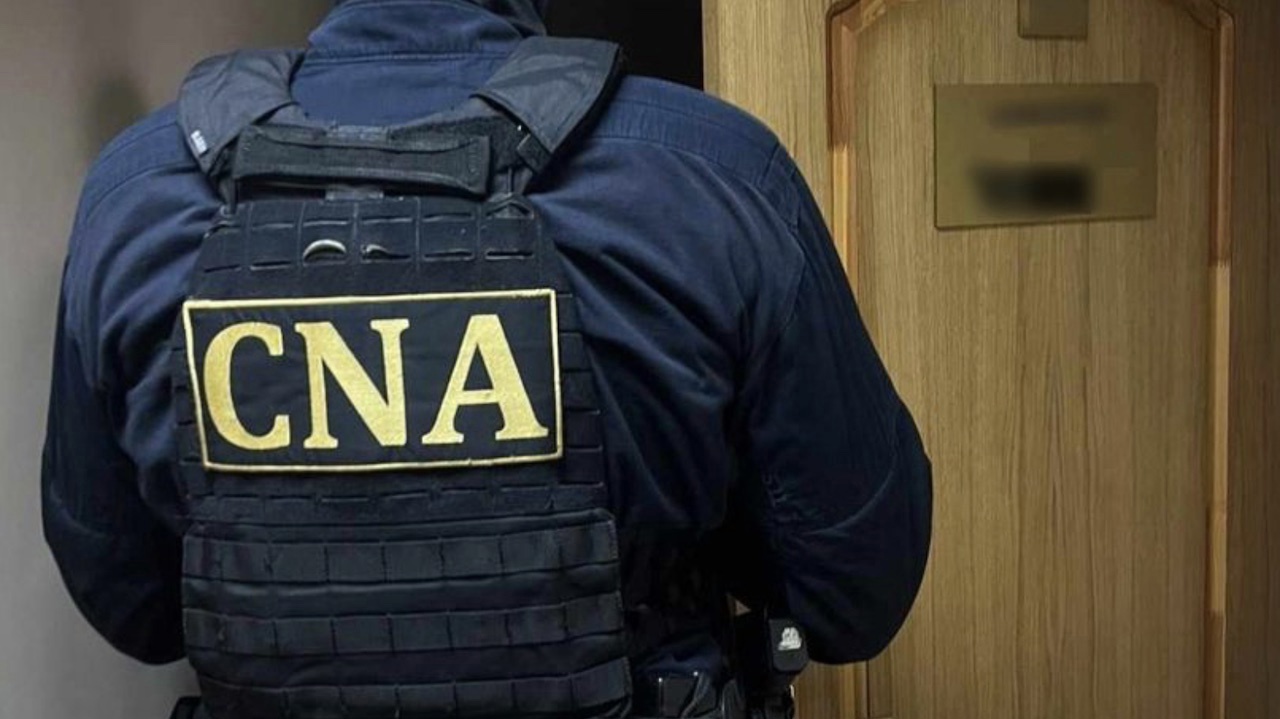
Moldova's Parliament approved comprehensive amendments to the Criminal Procedure Code on Thursday, June 11. The new legislation clearly delineates the jurisdictions of investigative bodies to eliminate operational overlaps.
The structural overhaul redistributes cases among anti-corruption and economic agencies based on the suspect's official rank and the financial scale of the state damage.
CNA focuses on major bank fraud and money laundering
The National Anti-Corruption Center (CNA) will now investigate grand bank fraud cases where financial damages exceed €204,000 (approximately 4 million MDL). Tax authorities will retain jurisdiction over cases falling below this financial threshold.
The legislative updates also grant the CNA full authority to investigate money laundering as an autonomous offense.
To support this expanded scope, the agency will add a new deputy director position, and the current CNA director will be eligible to run for a second term.
Anti-corruption prosecution to target high-ranking officials
The Anti-Corruption Prosecutor's Office (PA) will exclusively lead criminal investigations into high-level graft. The law limits the PA’s mandate strictly to top-tier state officials.
Targeted positions include the state President, the Parliament Speaker, members of Parliament, the Prime Minister, and cabinet ministers.
The agency will also investigate the Ombudsperson, judges, prosecutors, members of the Superior Council of Magistracy (CSM), the Superior Council of Prosecutors (CSP), and the top leadership of both the CNA and the Security and Intelligence Service (SIS).
Designated roles for organized crime and revenue services
The Prosecutor's Office for Combating Organized Crime and Special Cases (PCCOCS) will concentrate on terrorism, systemic criminal organizations, and exceptionally grave offenses.
During parliamentary debates, MP Ion Chicu questioned whether the bill addressed civil society concerns regarding the transfer of torture investigations from PCCOCS to territorial offices.
Committee rapporteur Igor Chiriac confirmed that following public consultations, lawmakers discarded the transfer, leaving torture investigations under specialized PCCOCS jurisdiction.
Meanwhile, the State Tax Service and the Customs Service will conduct criminal probes into standard economic and customs offenses under direct PCCOCS guidance. This authority only applies if the state's material loss does not exceed €127,500 (approximately 2.5 million MDL).
Civil society raises structural concerns
The Legal Resources Centre from Moldova (CRJM) urged lawmakers not to rush the vote, warning that the amendments could compromise investigative independence and disrupt the anti-corruption architecture.
Expert analysts emphasized that the state has deployed significant political and financial resources to externally vet judges and prosecutors. The group found it contradictory to reduce the PA's powers during its active vetting process while expanding the mandate of the CNA, an institution yet to undergo an equivalent integrity review.
Parliament Speaker Igor Grosu noted that local and European justice experts were consulted to reach a workable compromise. Grosu affirmed that the risks highlighted by civil society would receive additional review as the legislative process moves forward.
Translation by Iurie Tataru