Identity document required for SIM card activation
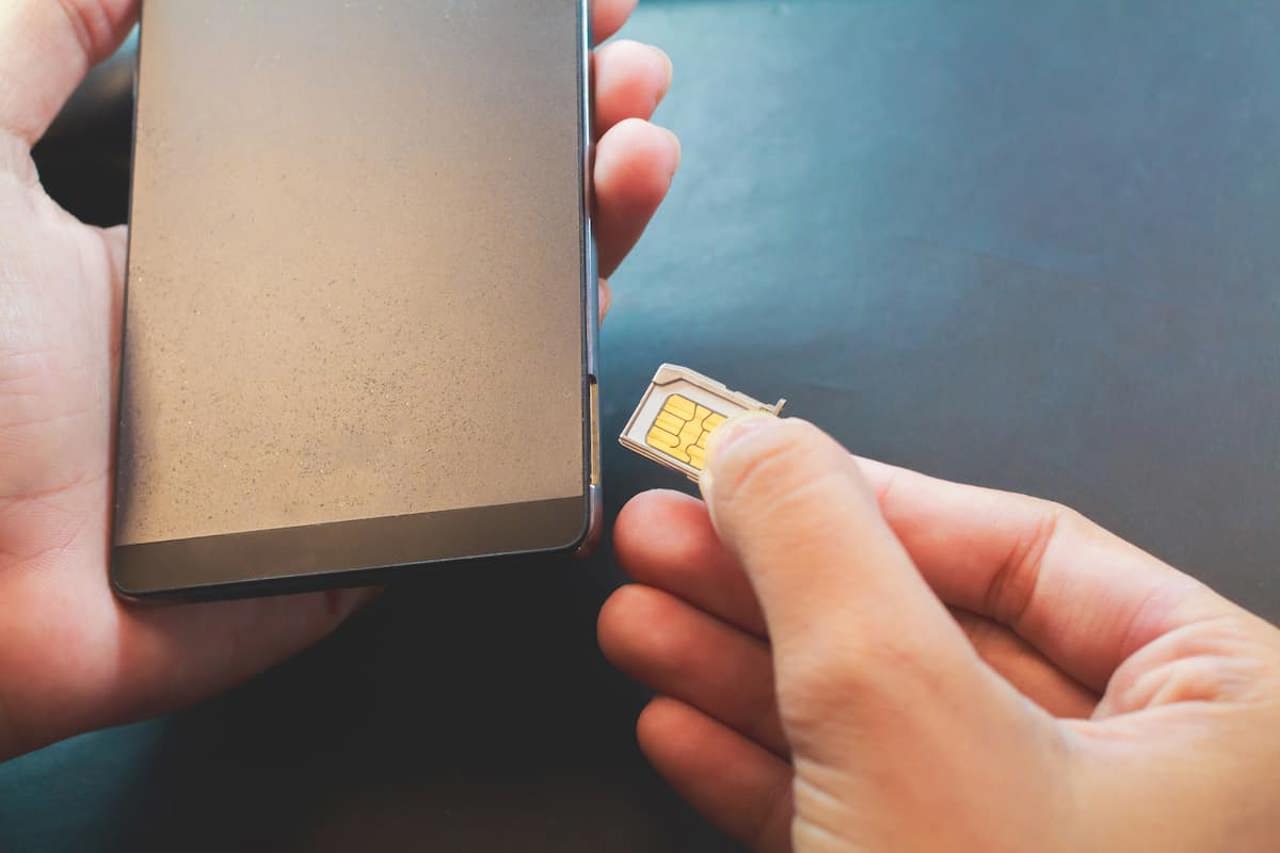
Starting now, individuals must present an identity document to activate prepaid SIM and eSIM cards under new government-approved regulations. This measure aims to verify identities during activation to help combat fraud and the use of mobile telephony services anonymously. However, it does not limit the free sale of SIM cards in stores.
Authorities support introducing new regulations due to security risks associated with the use of anonymous numbers, which are often involved in telephone and computer fraud, scams, abusive calls, and the transmission of false bomb alerts.
Minister of Internal Affairs, Daniela Misail-Nichitin, stated that the issue has escalated, and the inability to identify cardholders complicates investigations, accountability, and the recovery of damages suffered by victims.
"Crimes that affect citizens have increasingly migrated to the digital space, with these platforms becoming tools for fraud and scams," the minister said during a meeting on June 17.
User identification will be possible at points of sale operated by telecom companies or their authorized partners, as well as through remote digital methods, including electronic signatures, electronic identification, and secure platforms.
The new regulations ensure the protection of personal data. Operators will only collect the strictly necessary information for identification, with no access to communication content or location data.
"Data will be stored only for the duration of the phone number's use and for 12 months after the service is terminated," the draft states.
Moreover, there will be no need to present or copy identity documents at third-party points of sale, such as PECO stations or kiosks.
These new provisions will apply only to numbers activated after the amendments to the Law on Electronic Communications come into effect. Current users will not need to re-register their cards.
Full implementation of these measures is expected within 12 months to allow operators to adapt their systems.
This initiative is part of the effort to align the Republic of Moldova with European Union standards and has already been implemented in 16 of the 27 EU member states.
When drafting this regulation, examples from countries like Poland were considered. There, the introduction of mandatory card registration resulted in a significant reduction in false bomb alerts—by 93-95%—and a doubling of the identification rate for offenders.