Over 2,500 residents gain drinking water access through 16 million lei state-funded projects
Two projects aimed at expanding and modernizing water supply systems are being implemented in the localities of Costești and Dămășcani in the Rîșcani district, as part of the National Program "European Village." These initiatives are enhancing the population's access to drinking water and improving local infrastructure. The total value of these investments exceeds 16.4 million lei, benefiting hundreds of households, public institutions, and businesses through the new water networks.
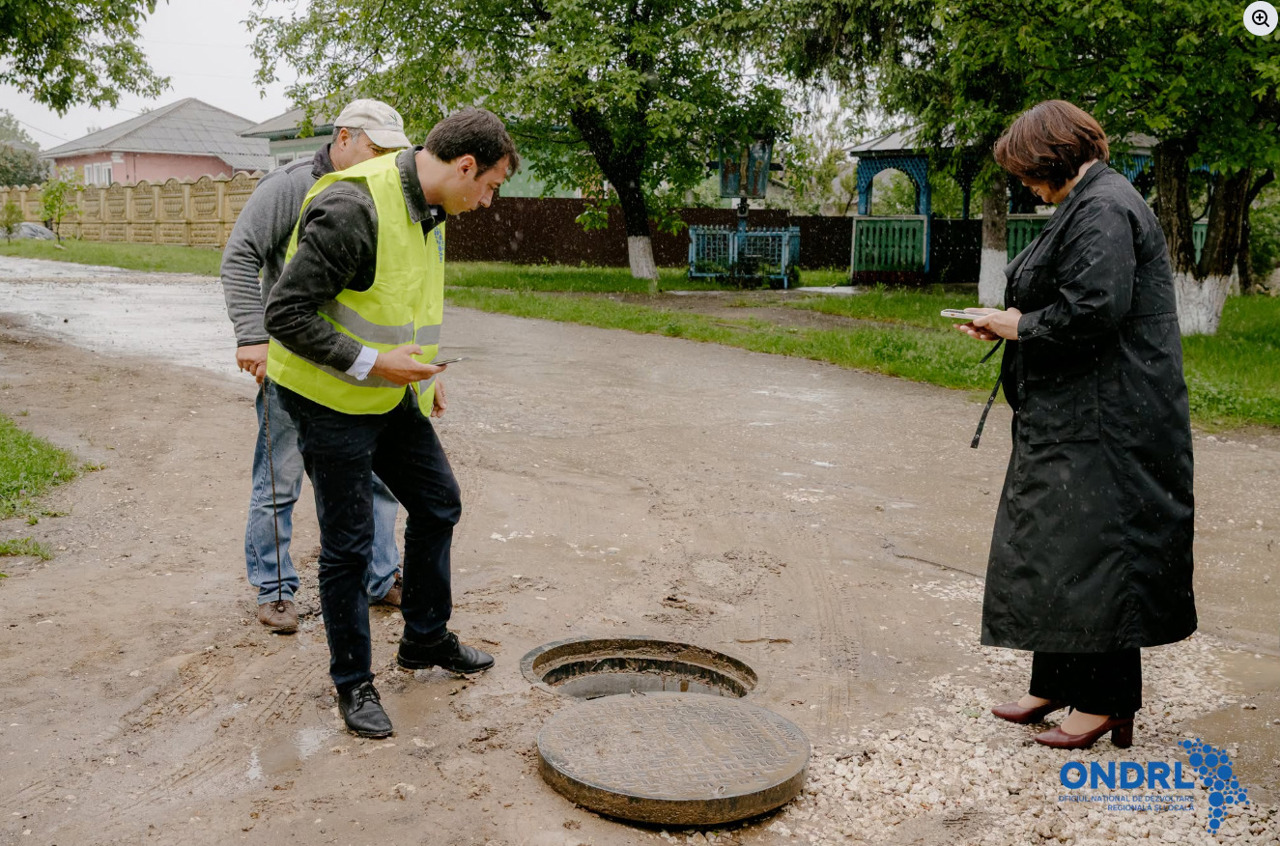
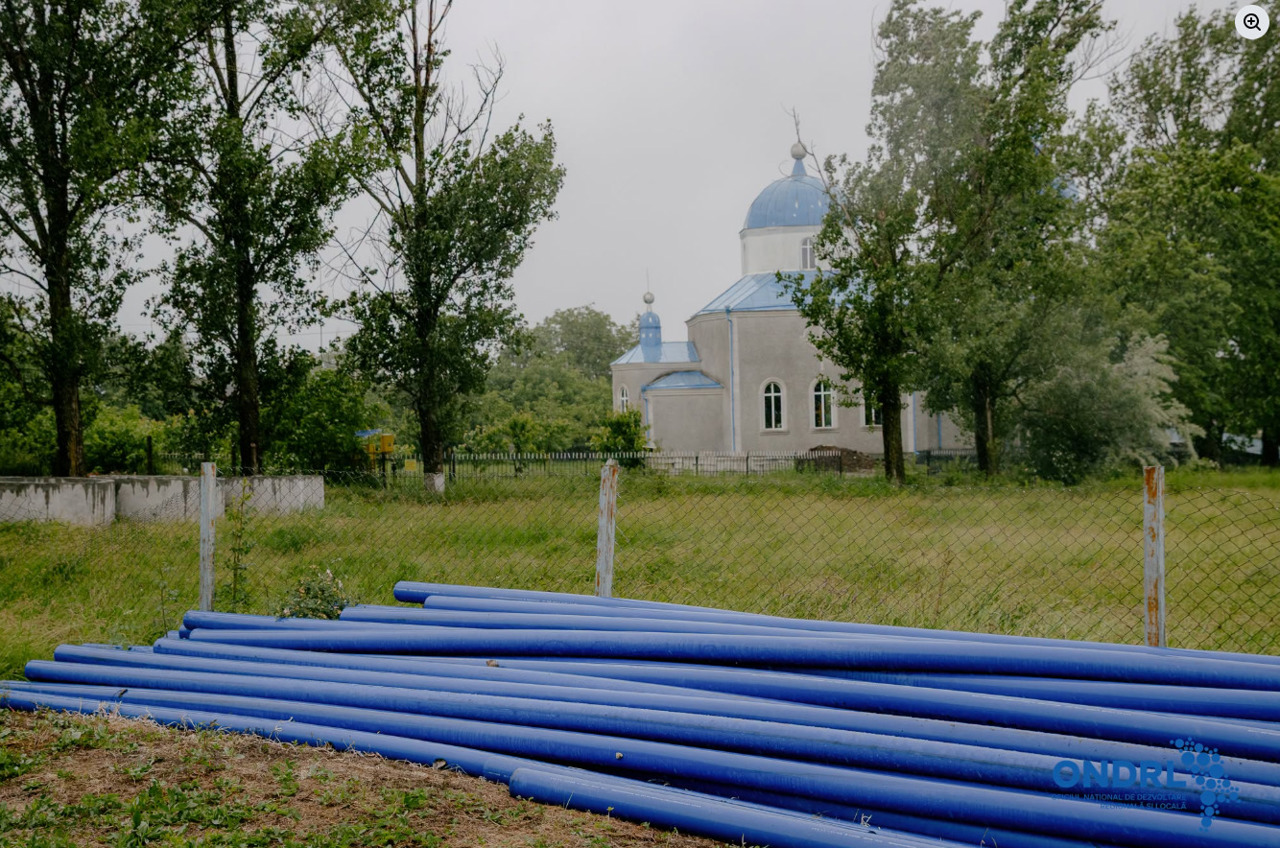
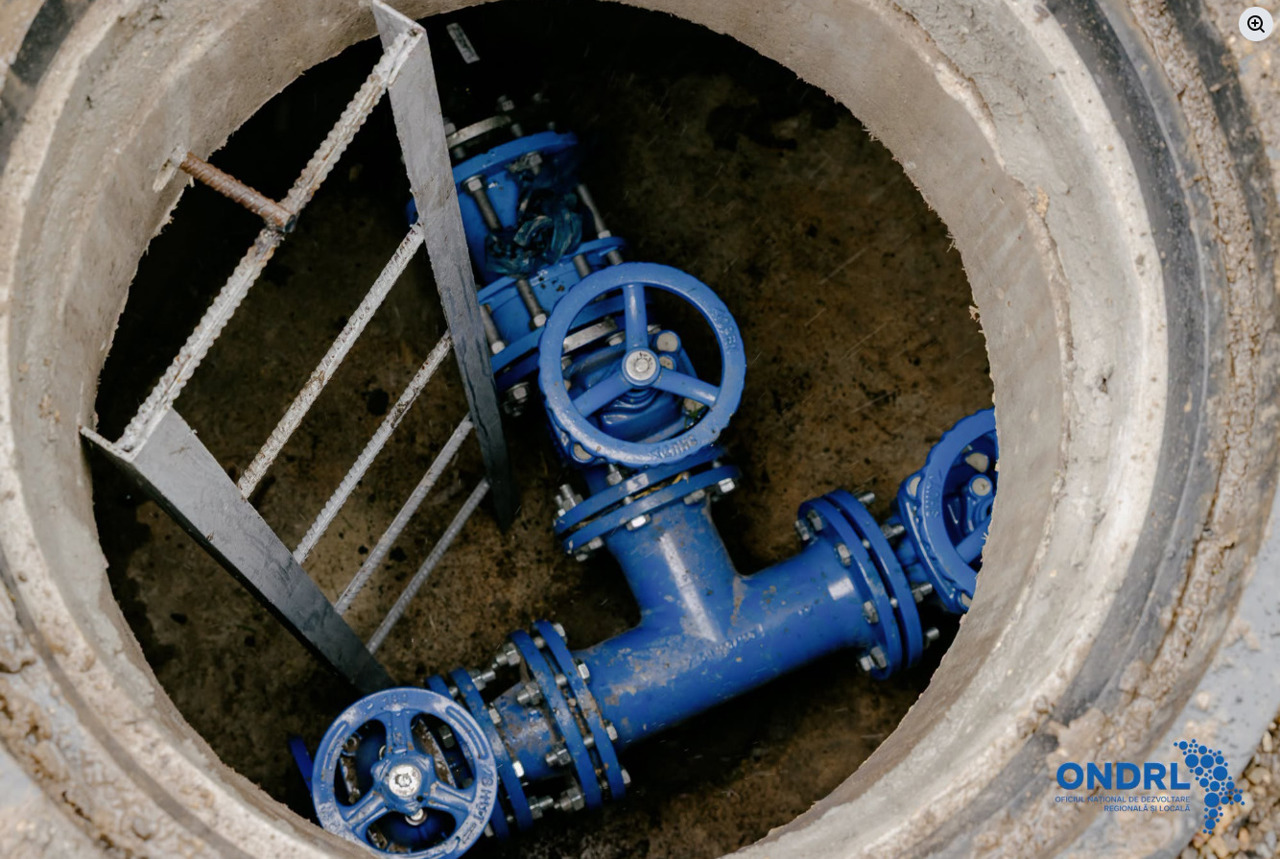
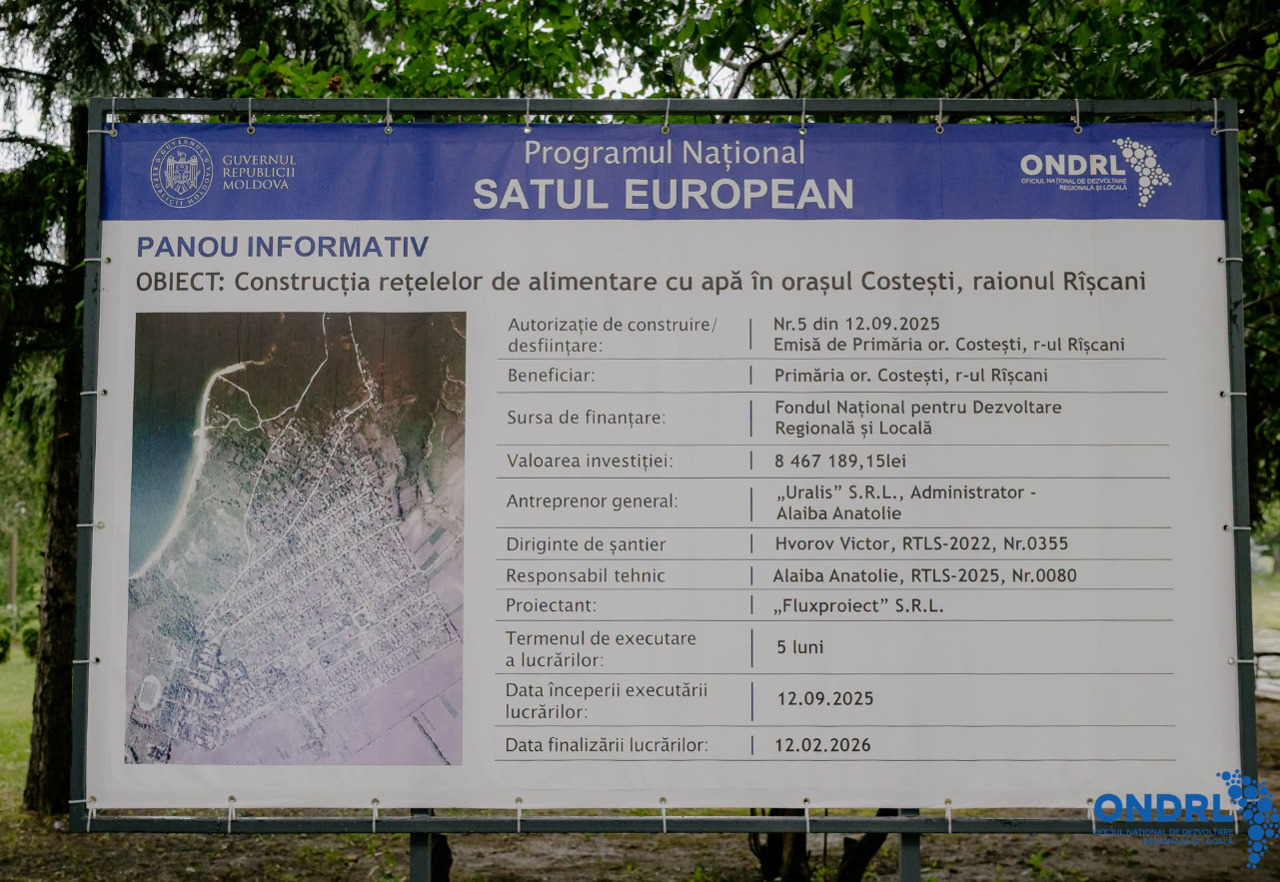
One of the ongoing projects is the "Construction of Water Supply Networks in Costești, Rîșcani District." This project is being implemented as part of the second edition of the "European Village" Program, according to a press release from the National Office for Regional and Local Development (ONDRL). Construction began in September 2025 and is expected to be completed by November 2026. The project involves the construction of 13.4 kilometers of aqueduct networks and the necessary infrastructure for operating a centralized water supply system.
The Government has allocated over 8.5 million lei for this project from the National Fund for Regional and Local Development (FNDRL). Once completed, the new water supply system will provide access to drinking water for 831 households, which is home to more than 2,260 residents, as well as 15 public and social institutions and 50 businesses.
The interim mayor of Costești, Elona Zuza, announced that the town's aging water supply system, in use for over fifty years, is experiencing losses of up to 60%. The new infrastructure will connect Costești to the regional water supply system, which is sourced from the Prut River.
“With the launch of the new aqueduct, our town will have access to a reliable water source and will be able to connect to the regional supply from the Prut. Renovating the water networks will enable us to transition from relying on artesian wells to obtaining higher quality water delivered through a modern system. This improvement will reduce water loss, ensure a stable supply and consistent pressure, and promote sustainable resource management," said the mayor.
According to her, the upgraded infrastructure will provide a reliable water supply to essential public institutions, including the high school, kindergarten, Public Health Center, and emergency medical assistance point. Additionally, it will benefit approximately 50 businesses and 10 guesthouses that collectively host around 10,000 tourists each year.
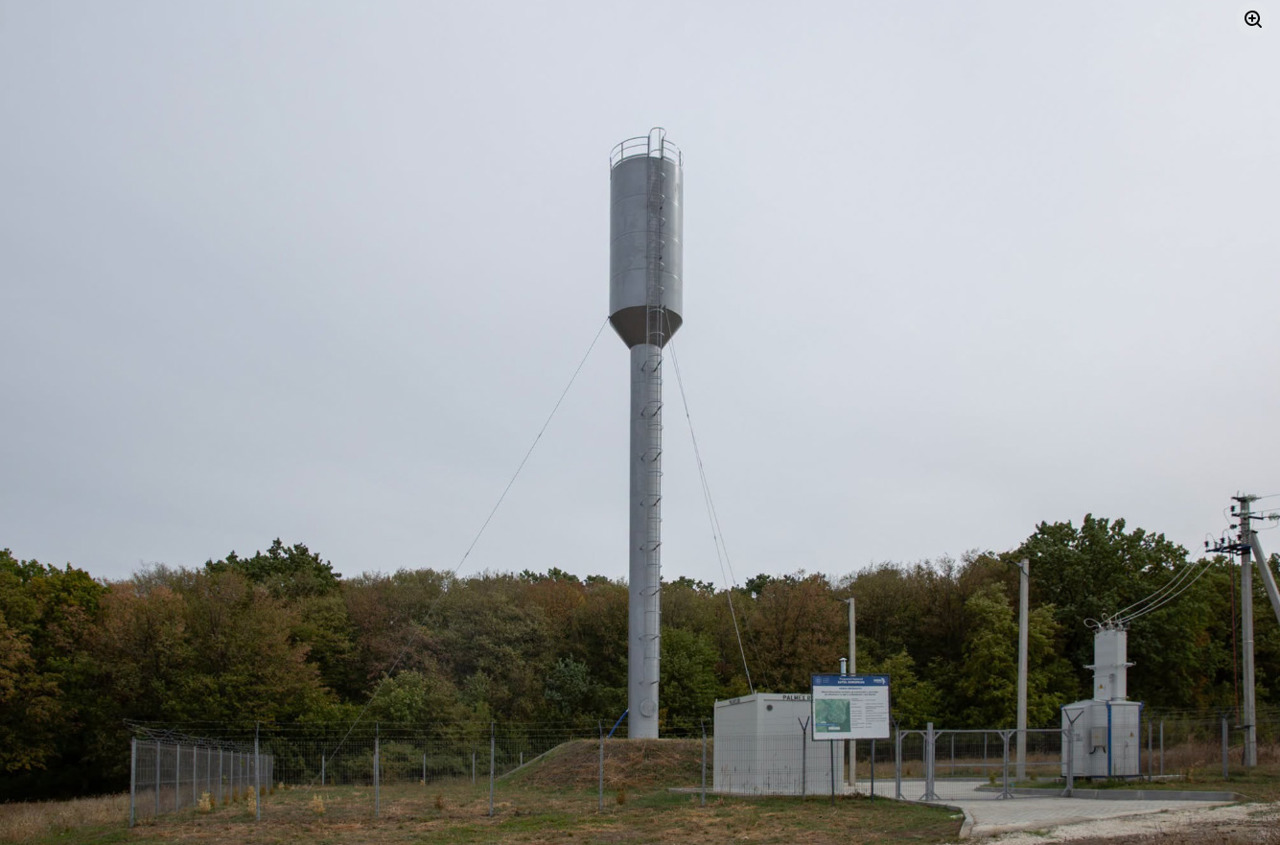
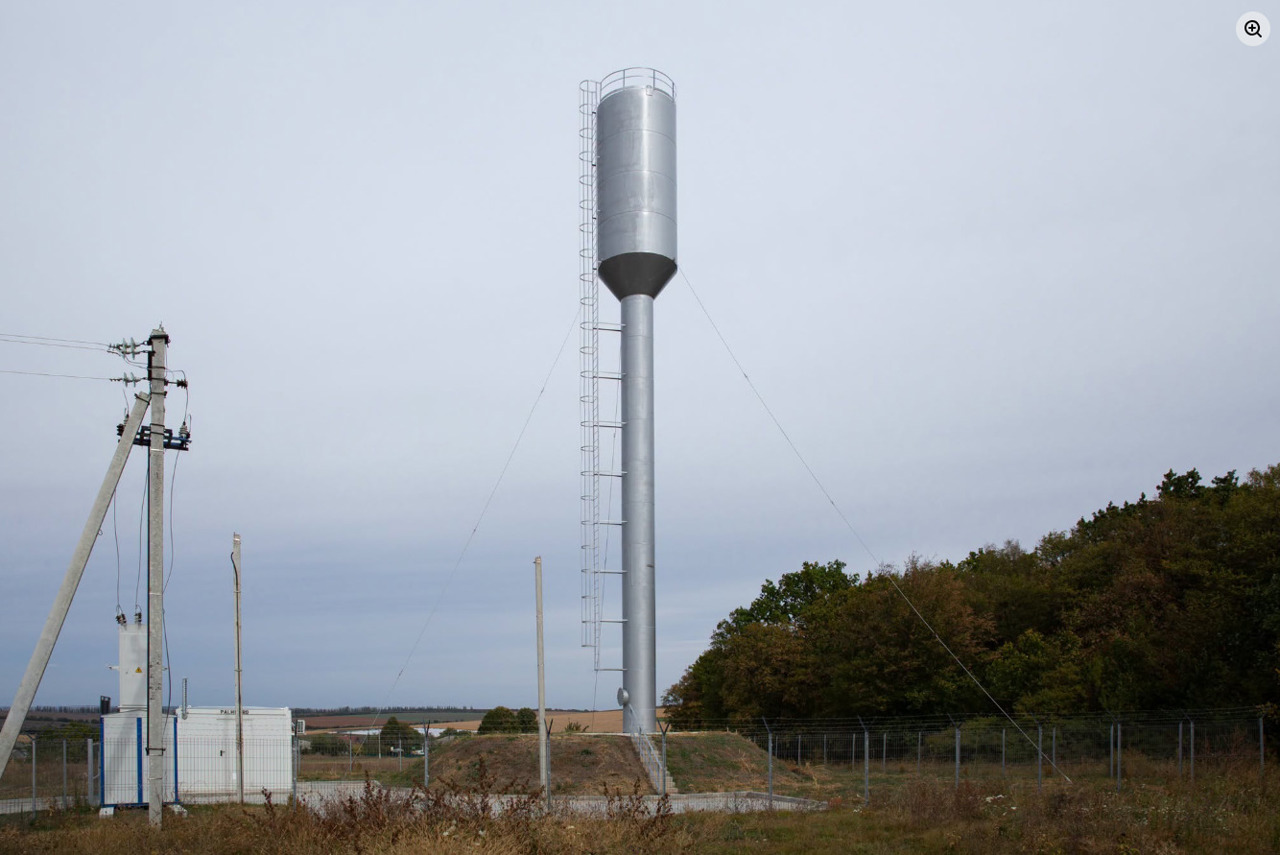
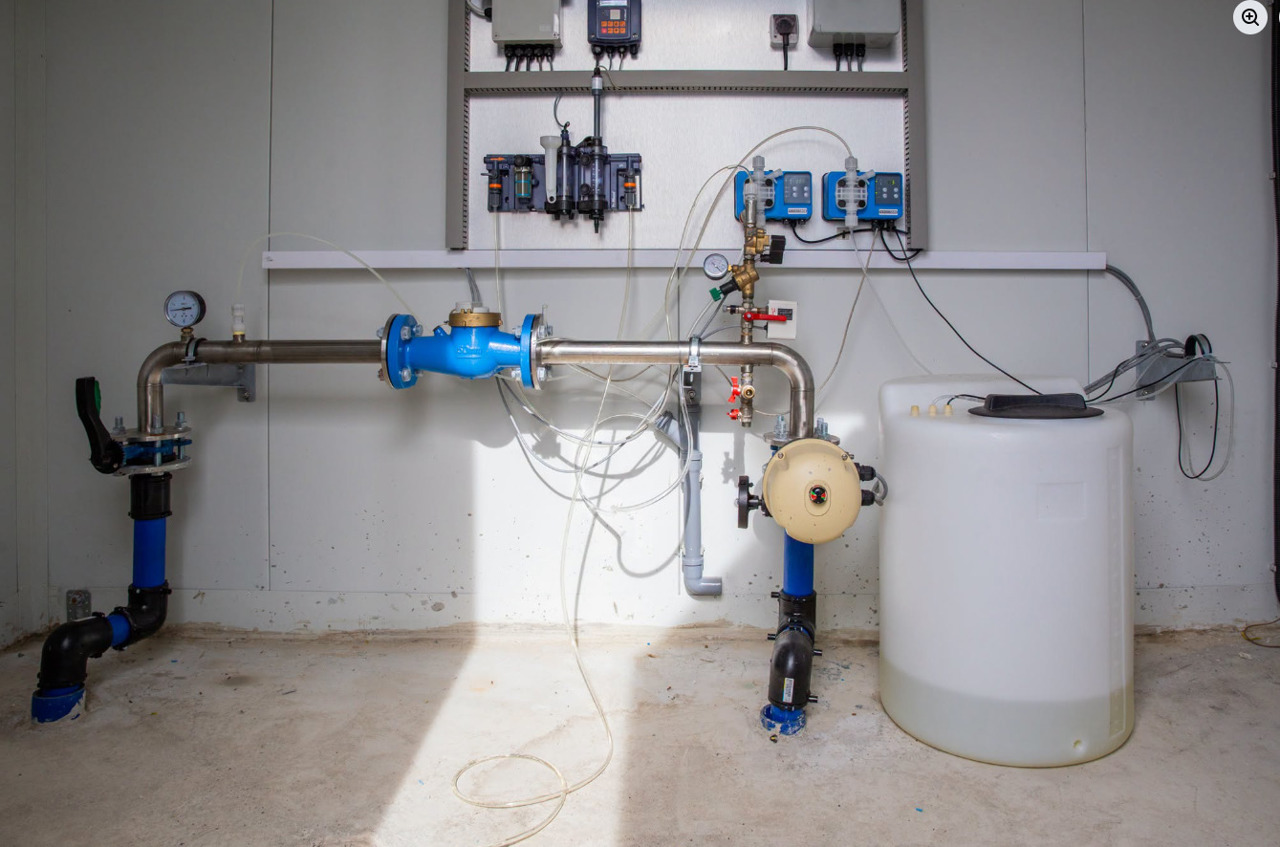
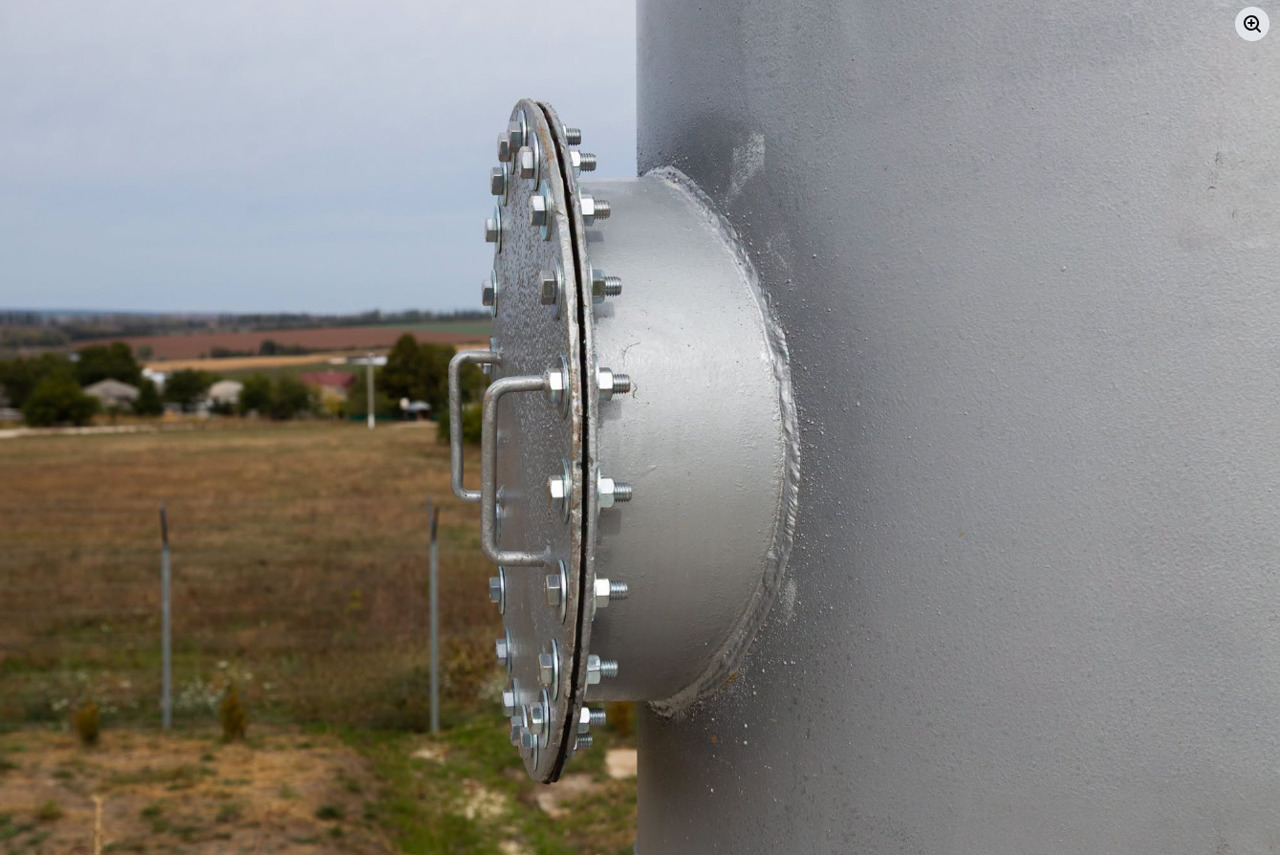
In the first edition of the "European Village" Program, the project titled "Improving Water Supply Services in the Village of Dămășcani" was implemented. This project involved the construction of 5.7 kilometers of aqueduct networks, the installation of a 50-cubic-meter water tower, the establishment of a treatment station, and the creation of 145 individual water connections.
The investment, valued at nearly 8 million lei, was funded by the state budget through the FNDRL. As a result of the project's implementation, 145 households with 310 residents, three public institutions, and five businesses now have direct access to drinking water. Local authorities noted that, prior to this project, residents relied on well water that was contaminated with nitrates or had to walk approximately two kilometers daily to the village pond to meet their water needs.
Elona Zuza emphasized that these investments will lay the groundwork for connecting the localities to the national project, "Security of Water Supply in the Rîșcani District."
"By modernizing the water networks in Costești and Dămășcani, these localities are now technically prepared to connect to the main aqueduct supplied by the Prut River. This shift from underground sources, which have been affected by declining water tables and pollution, to a stable and safe surface water source will ensure water supply security for future generations," declared the interim mayor.
According to her, the positive impacts of these projects are already noticeable in residents' daily lives, as they reduce the effort required for water supply, improve hygiene conditions, and create better opportunities for tourism development, local economic growth, and community retention.
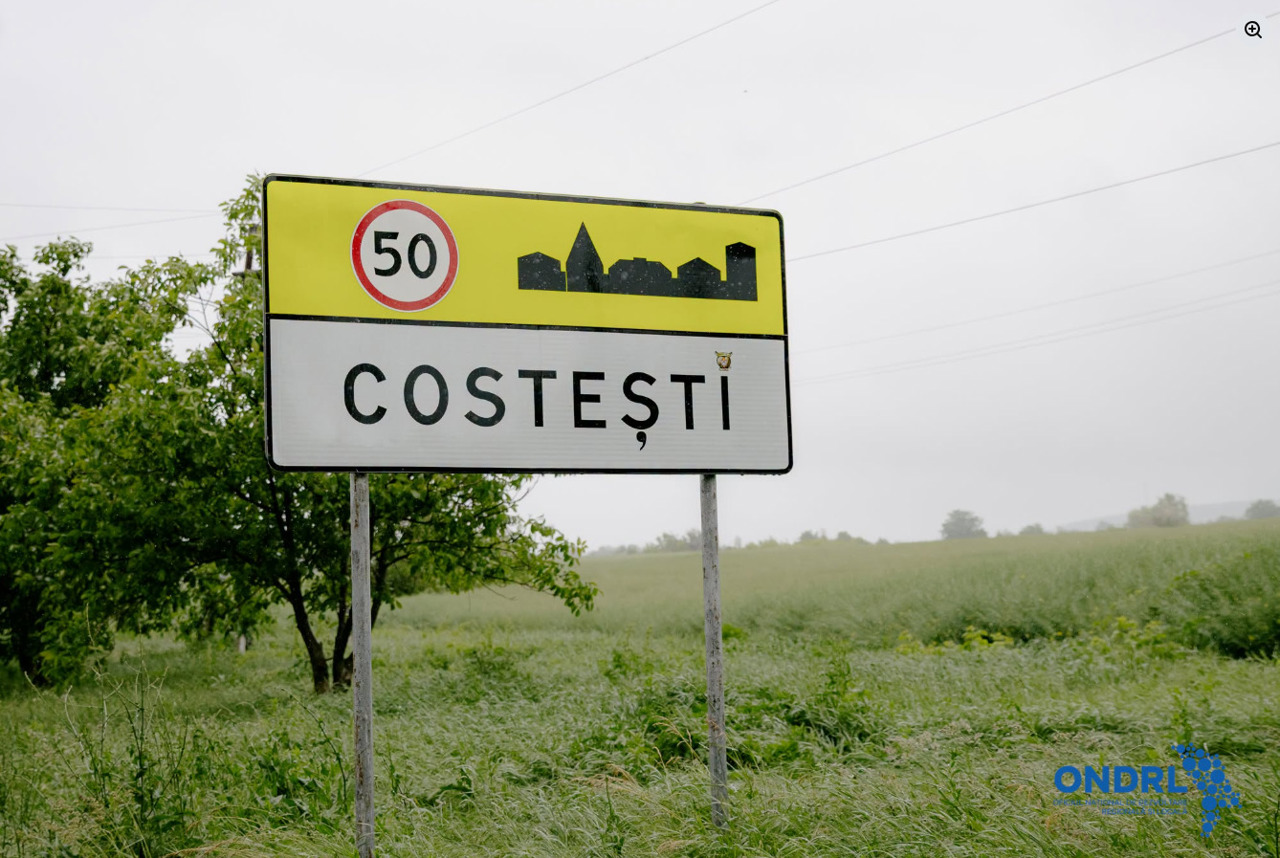
The city of Costești, which includes the village of Dămășcani, has a population of 2,575, with over 750 of whom are children.