Second EU-Moldova summit: 20 commitments, conditional funding, merit-based EU path
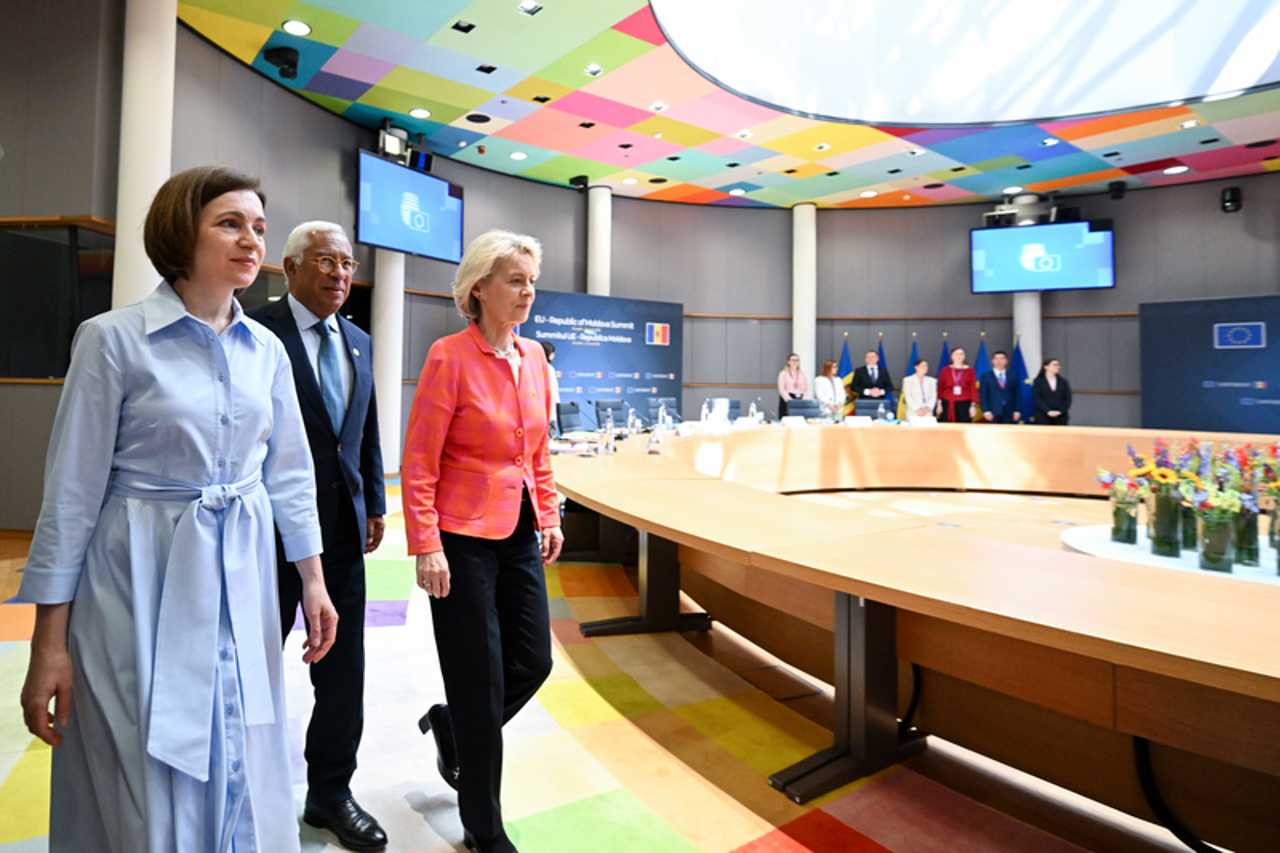
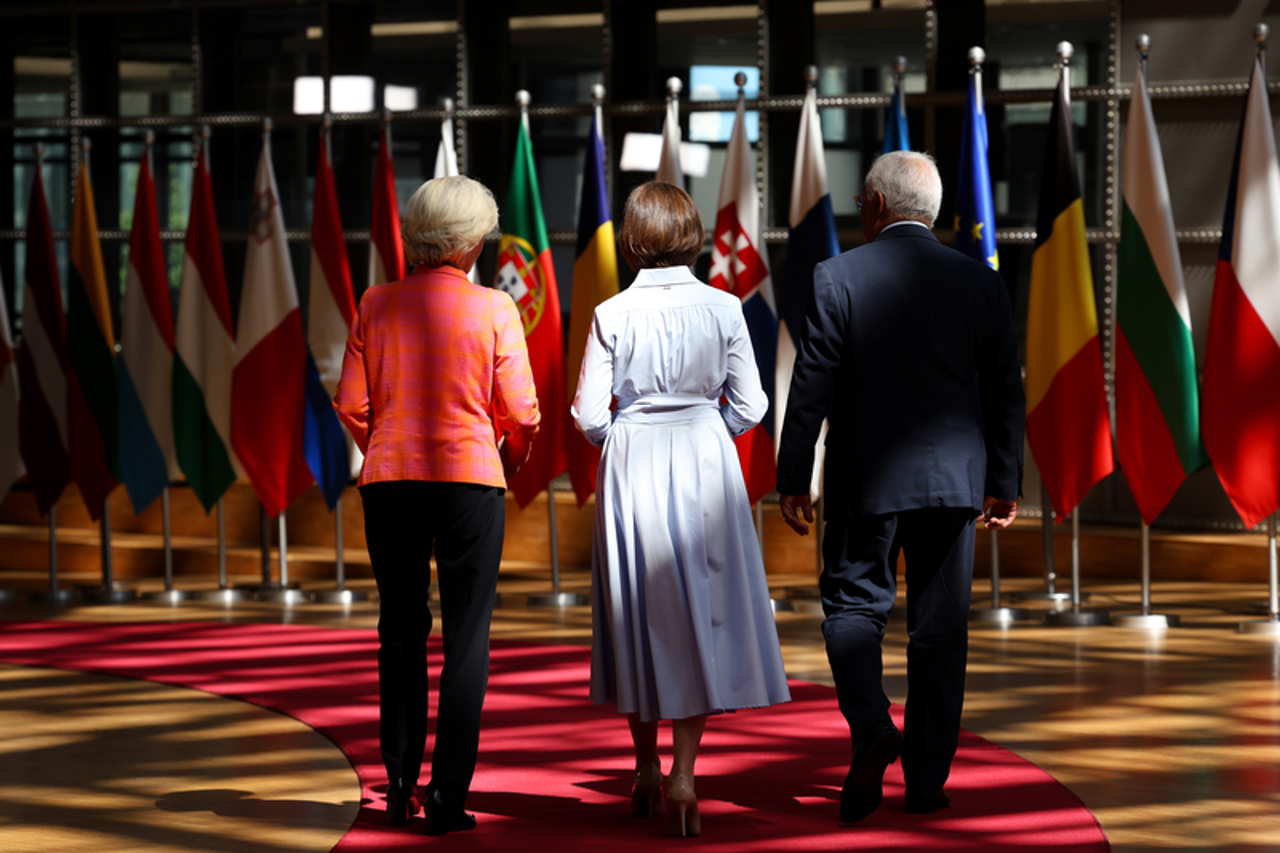
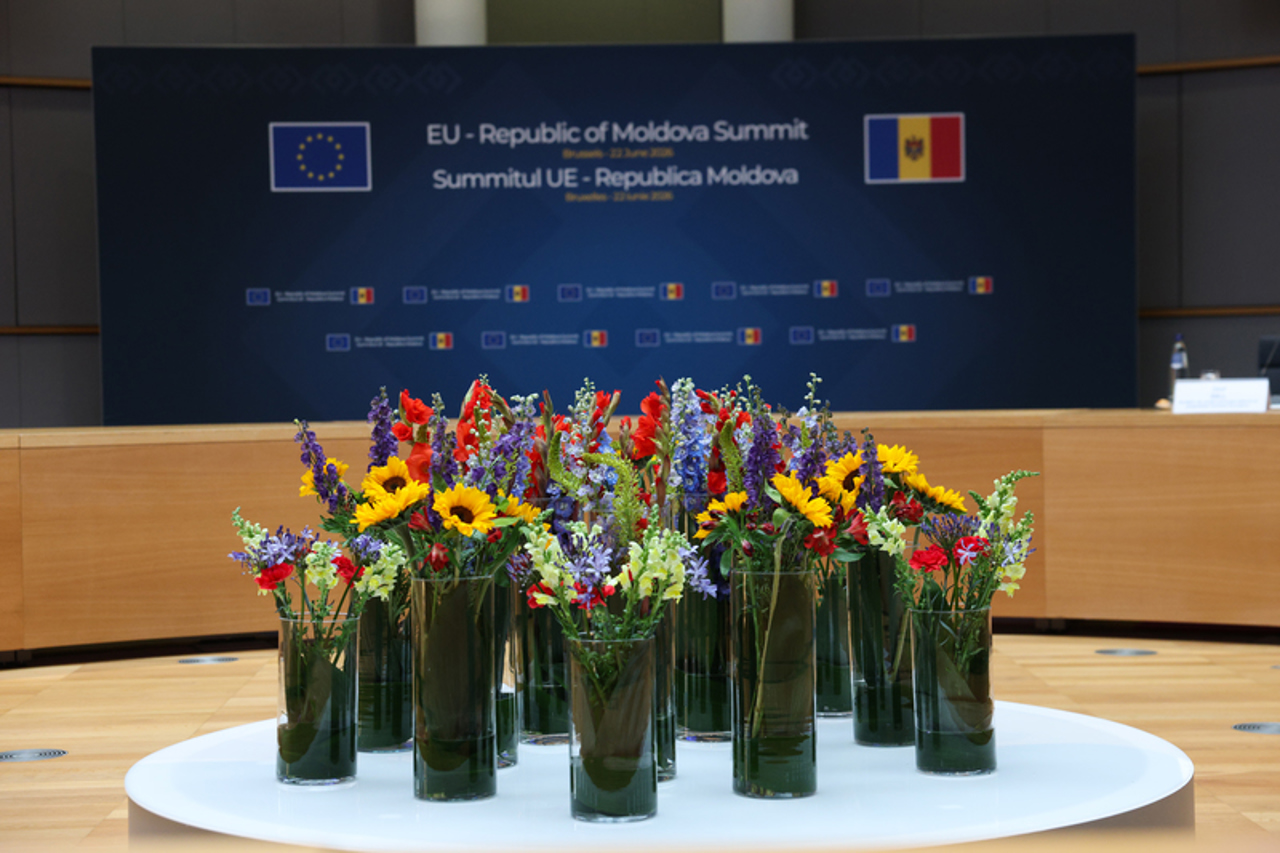
On Monday, June 22, in Brussels, the leaders of the European Union and the Republic of Moldova convened for the second EU-Republic of Moldova summit. During this meeting, they adopted a 20-point joint declaration that formally marks the opening of the first group of chapters in the accession negotiations, titled "Fundamental Values", which began on June 15. The declaration also announces new support packages aimed at enhancing the security and defense of the Republic of Moldova.
The adopted text reaffirms that the future of the Republic of Moldova is within the European Union and acknowledges the progress made by Chisinau "despite unprecedented external pressures." This was the second bilateral summit of this format, following the first held on July 4, 2025, in Chisinau.
The Brussels meeting was the first since the opening, on June 15, in Luxembourg, of the "Fundamental Values" cluster for the Republic of Moldova and Ukraine, as part of the second Intergovernmental Accession Conference. The joint declaration in Brussels welcomes this development and expresses the expectation of opening additional clusters "in accordance with a merits-based approach."
The document states, "We reiterate our commitment to rapidly promote the accession process based on credible reforms and the principle of merit."
Recognising the "impressive" progress made by the Republic of Moldova, the President of the European Council, António Costa, assured Chisinau of continued support, emphasising that a merit-based integration process would be advantageous for the Republic of Moldova. He noted in a press conference following the summit, "If the merit-based process is the foundation, it is much better for the Republic of Moldova, because it can deliver results, and we can keep our promise."
Meanwhile, the President of the European Commission, Ursula von der Leyen, stated that a merit-based process is more suitable for the Republic of Moldova than the phrase "as soon as possible," which relates to the opening of negotiations on the other five groups of chapters.
She added, "Once the first cluster is opened, each candidate country is responsible for its own path, as they must implement different reforms depending on the specific candidate country." Von der Leyen emphasized that "everything depends on the pace of evolution. What I have observed in the case of the Republic of Moldova is that it is advancing very quickly. Therefore, I believe that if the Republic of Moldova maintains the same trajectory, the European Union will be able to quickly open the next clusters."
Maia Sandu: European Integration brings investments, security, and opportunities
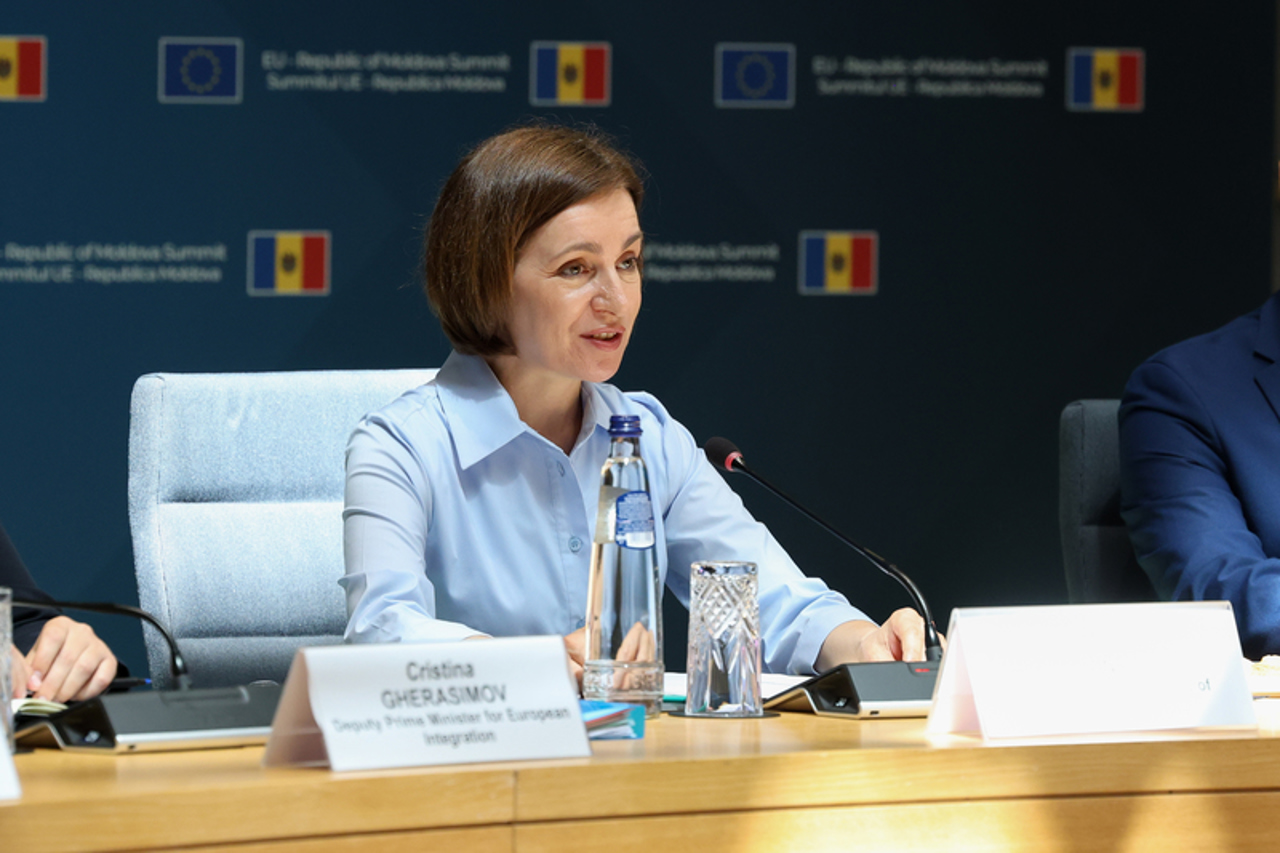
At the end of the summit, President Maia Sandu emphasized the significant progress made by the Republic of Moldova in the European integration process. She noted that the opening of the first group of chapters reflects the recognition of the reform efforts undertaken in recent years.
President Sandu pointed out that the extraordinary evaluation process for judges and prosecutors is yielding positive results, which in turn help increase citizens' trust in the justice system and reinforce the principle of equality before the law.
During the summit, an EU-Republic of Moldova framework arrangement on research was signed, along with a cooperation agreement focused on smart specialization strategies and the medical technology sector.
"We will continue to deliver results, fully embracing our responsibility toward our citizens, who deserve peace, security, and prosperity at home, within the European family. Mr. President Costa, Mrs. President von der Leyen, the Republic of Moldova is doing its part. We trust that the 27 member states will do the same," declared the head of state at the press conference.
New support package worth 120 million euros
The European Union has reiterated its strong support for the independence, sovereignty, and territorial integrity of the Republic of Moldova. This includes backing efforts for the peaceful and sustainable reintegration of the country.
In a joint declaration adopted in Brussels, European leaders urged the Russian Federation to honor its commitments made at the OSCE Summit in Istanbul in 1999 and to withdraw troops and ammunition from the Transnistrian region. At the same time, the EU welcomed the strengthening of cooperation with Moldova in foreign policy, security, and defense, acknowledging Chisinau's active participation in European missions and operations, as well as its alignment with the foreign policy positions of the EU.
European Commission President Ursula von der Leyen announced a new €120 million support package for 2026, specifically focused on addressing Moldova's security needs.
Additionally, European leaders approved a new €11 million support measure to enhance Moldova’s resilience against hybrid attacks, along with a €17 million investment to improve the country’s border infrastructure.
At the conclusion of the meeting, the European Union stated its commitment to accelerating and deepening cooperation with Moldova, which will include organizing regular bilateral summits.
The joint statement emphasizes that Moldova’s gradual integration into the internal market and EU policies will continue from the accession negotiations onward, with the ultimate goal of preparing the country for EU membership.