NATO reaffirms partnership with neutral Moldova amid regional threats
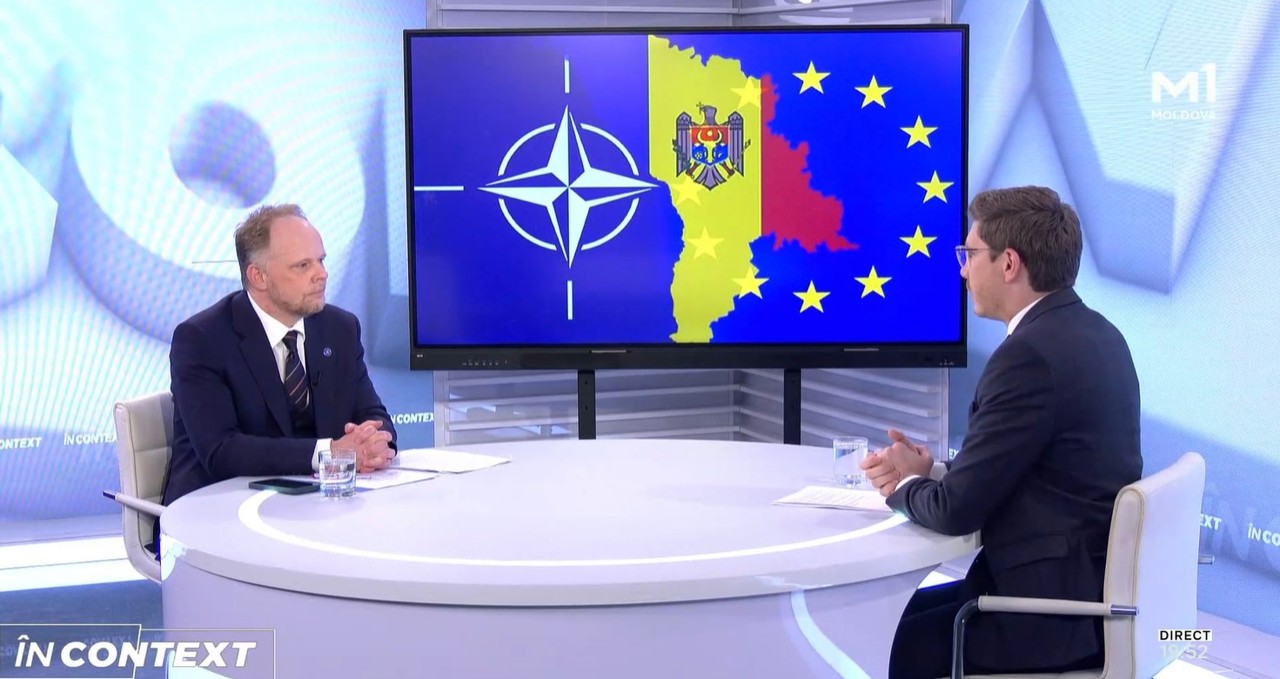
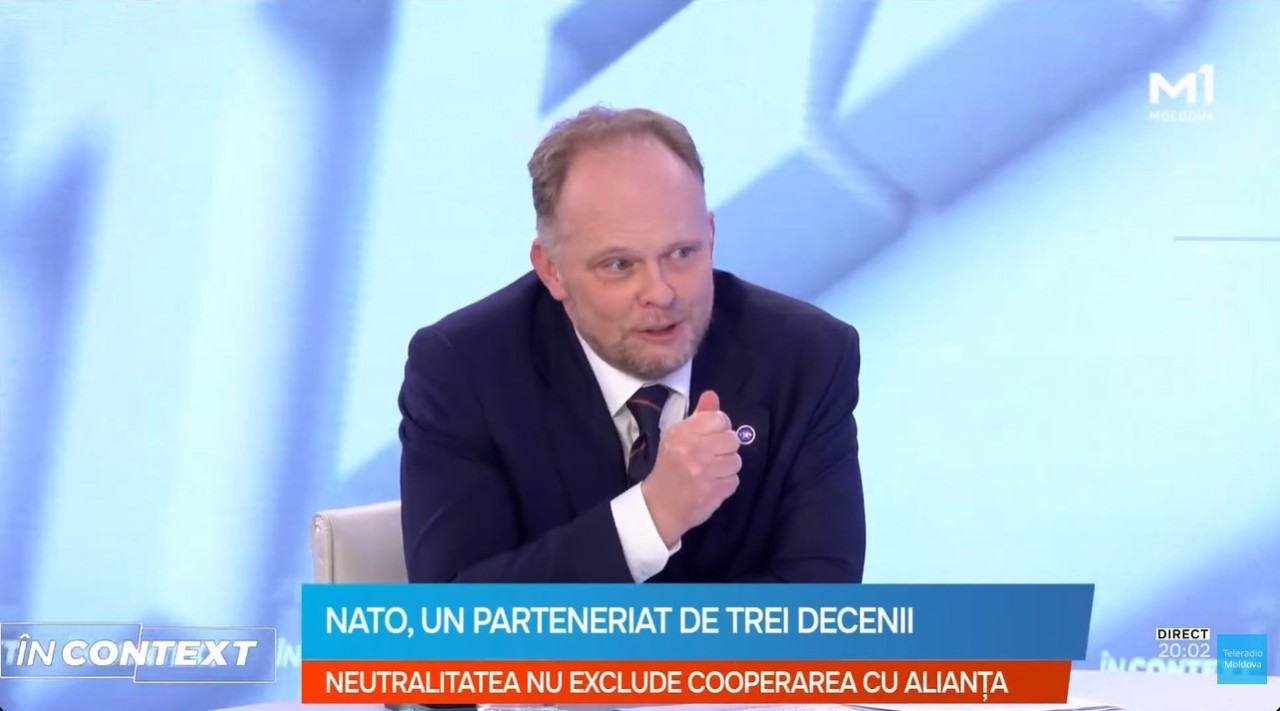
The North Atlantic Treaty Organization views Moldova's constitutional neutrality as a framework for deeper cooperation rather than an obstacle to security integration. NATO Assistant Secretary General Kevin Hamilton stated that the three-decade alliance remains deeply anchored in mutual respect for Chisinau's independent status.
Speaking exclusively to Moldova 1, Hamilton emphasized that neutrality does not preclude a robust defense partnership, pointing to long-standing NATO relations with neutral states like Switzerland, Ireland, and Austria. The official noted that Moldova has consistently stood on the frontline of hostile hybrid campaigns designed to test its democratic resilience.
Strengthening democratic and cyber defense
NATO's current assistance focuses on boosting Moldova's capacity to counter cyber threats, institutional corruption, and sophisticated disinformation campaigns.
The defense initiatives aim to modernize the Moldovan Armed Forces, making the country's compact military highly professional and fully interoperable with international security frameworks.
A decade of peacekeeping in Kosovo
Despite its neutral status, Moldova has actively contributed to regional stability by deploying troops to the NATO-led KFOR peacekeeping mission in Kosovo for the past 12 years.
Hamilton expressed high institutional appreciation for Chisinau's role, noting that even a small nation can act as a vital net exporter of European security.
The spillover of Russia's war
Addressing the growing security risks at the alliance borders, Hamilton warned that Russian drone incursions into NATO and Moldovan airspace have reached dangerous thresholds.
The source of these reckless incidents remains Moscow's ongoing invasion of Ukraine, with recent drone crashes in Romania resulting in civilian casualties for the first time.
Learning from Ukrainian battlefield adaptation
The alliance continues to closely analyze modern warfare dynamics by consulting daily with Ukrainian forces, who have resisted Russian aggression for nearly five years.
NATO leadership expects to study Ukraine's battlefield tactical adaptation and resilience for decades to come, viewing their resistance as a defense of the entire Euro-Atlantic space.
Economic and human costs for the Kremlin
The alliance estimates that Russia suffers approximately 30,000 monthly casualties while securing negligible territorial advances.
Hamilton described the conflict as a profound tragedy for both Ukrainian victims and the Russian population, pointing out that Vladimir Putin is sacrificing his country's youth and economic future for virtually no strategic gain.
Long-range, precision strikes by Ukrainian forces against Russian military infrastructure have also begun shifting public perception inside major Russian cities.
Transatlantic commitments ahead of Ankara summit
Looking forward to the upcoming NATO summit in Ankara, Hamilton dismissed speculation regarding a weakening US commitment to European defense.
The summit will see European allies and Canada validate massive defense investment increases, targeting up to 5% of GDP. This funding shift will double Western defense industrial capacity and secure long-term military hardware supplies for Ukraine.
Translation by Iurie Tataru