Over €15M EU investment for Bălți–Suceava power line
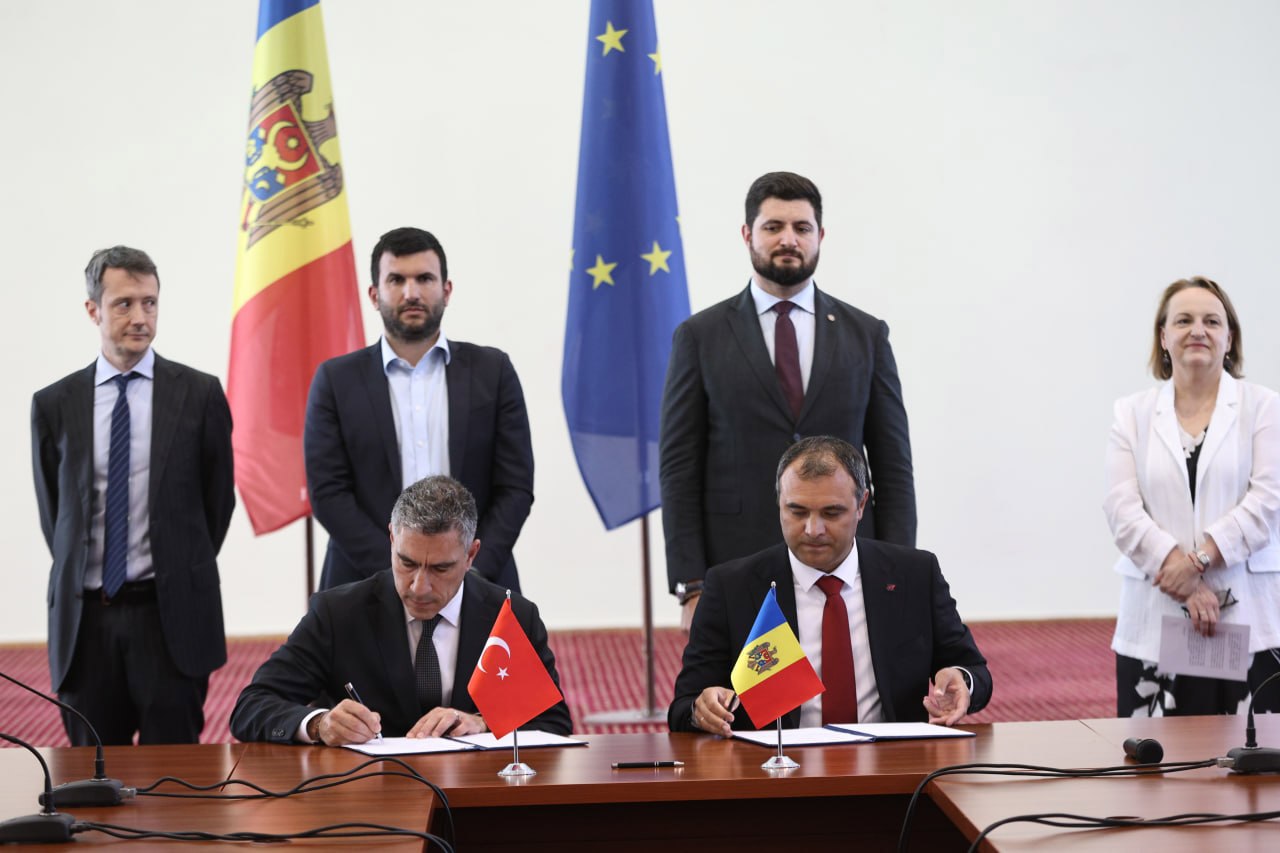
The Republic of Moldova is taking another step to enhance its energy security and strengthen its connection with the European energy market. On Friday, June 26, the authorities signed a contract for the design, supply, and construction of the 400 kV Balti-Suceava overhead power line. This project is supported by the European Union through a grant of over 15 million euros.
The new power line will connect northern Moldova to Romania's electricity system and help strengthen the resilience of the national power grid, increase electricity transmission capacity, and reduce dependence on a single source of supply.
"The signing of the contract for the construction of the 400 kV Bălți to Suceava overhead power line marks the transition from planning and financing to the actual implementation of a strategic project. This investment will strengthen the independence and resilience of our national power system," said Minister of Energy Dorin Junghietu.
According to the minister, the experience of recent years has shown that energy security can only be ensured through interconnections and integration with the European energy market. Moldova is currently developing three 400 kV power lines, each serving a distinct strategic purpose.
"Vulcănești to Chișinău is the line of energy independence. Bălți to Suceava is what we call the line of resilience, while Strășeni to Gutinași will become the line of freedom. These three projects represent far more than kilometers of conductors and high voltage transmission towers. They mean greater competition in the energy market, more choices for consumers, better conditions for investment, and deeper integration into the European energy market," the minister said.
EU Ambassador to the Republic of Moldova Iwona Piórko emphasized that the European Union is proud to support this project of national importance.
"With an EU grant of €15.4 million, together with the EBRD and the EIB, we are investing in tangible benefits for people's daily lives. This is about people, stability, and a shared future. Every new connection to the European energy market means greater security, more opportunities for businesses, and less vulnerability to external pressure," said Iwona Piórko.
The project is part of a broader effort to modernize Moldova's infrastructure, supported through the Growth Plan, which has a total budget of €1.9 billion.
The Head of the EBRD Office in the Republic of Moldova, Giuseppe Grimaldi, said that energy security remains one of the institution's top priorities. The €15.4 million EU grant, provided through the Neighbourhood Investment Platform, covers approximately 20% of the project's total cost.
"This project represents a crucial step toward strengthening Moldova's energy security, reducing its dependence on a single source of supply, and advancing its integration into the European electricity market," the official said.
The Head of the European Investment Bank Office in the Republic of Moldova, Alberto Carlei, highlighted that the Bălți to Suceava power line will help integrate the country into the European energy market, strengthen its energy resilience, and ultimately benefit Moldova's citizens and businesses.
"The signing of the grant agreement and the contract for the design, supply, and construction of the 400 kV Bălți to Suceava power line marks a key milestone in implementing the second electricity interconnection with Romania. It is one of Moldova's priority strategic projects for expanding interconnections with the European energy system," said Sergiu Carmanschi, Director of Moldelectrica.
The company is fully committed to delivering this strategic investment with professionalism, efficiency, and the highest technical standards, the director added.
The project's total value is approximately €77 million and includes the construction of the 400 kV Bălți to Suceava overhead power line and the modernization of the Bălți substation.