Moldova backs down on controversial fiscal policy amendments
The Moldovan government has withdrawn several controversial provisions from the draft fiscal and budgetary policy following intense public backlash and a lack of institutional consensus.
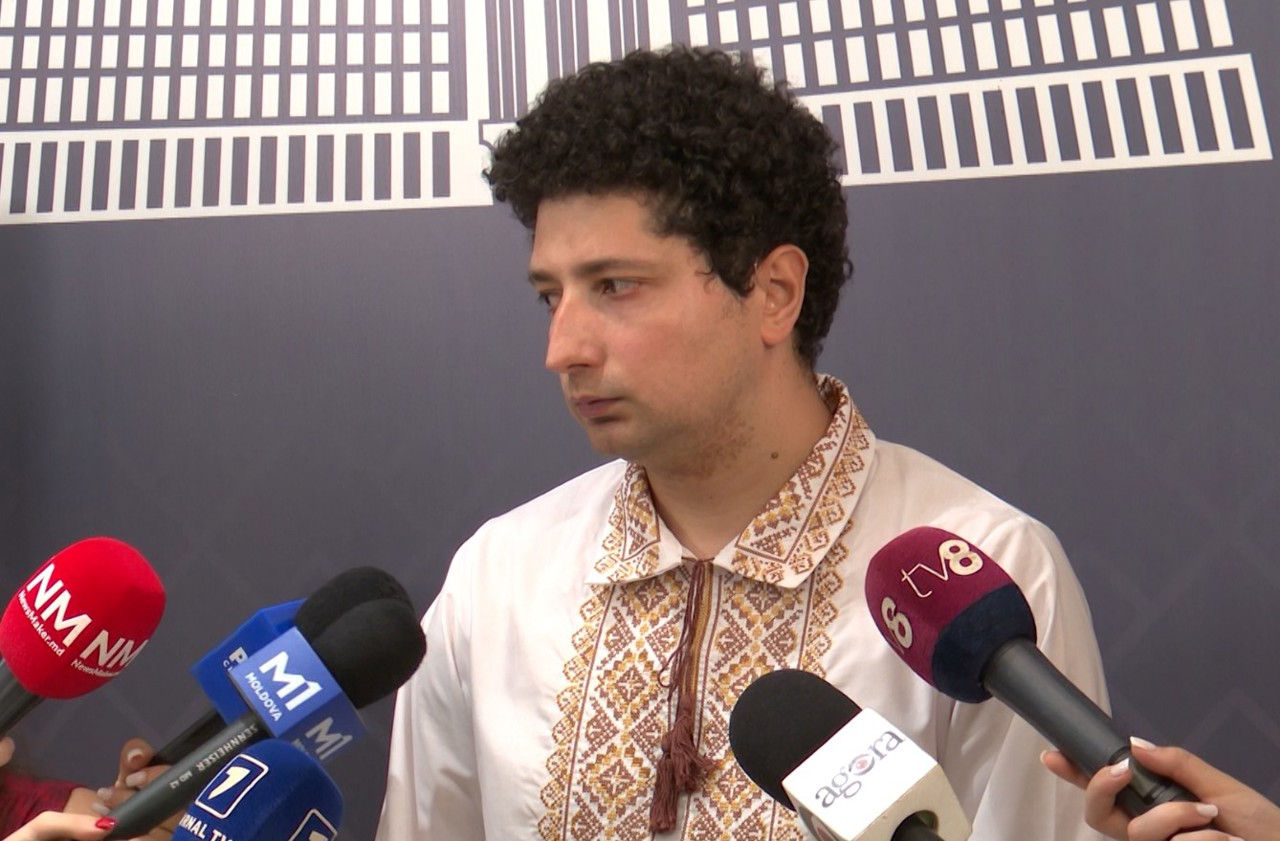
Radu Marian, the chairman of the parliamentary Economic, Budget, and Finance Committee, confirmed that officials eliminated proposed taxes on financial donations and private family celebrations.
Additionally, the government has suspended plans to introduce a 20 percent Value Added Tax (VAT) on medicines and deferred a planned wage tax reform, maintaining the current salary taxation regime.
Opposition raises concerns over VAT harmonization
Despite welcoming the withdrawal of these measures, opposition lawmakers argue the adjustments are insufficient to protect consumers.
They stressed that unifying the VAT rate at 20 percent across key sectors, including agriculture, remains a major issue that will diminish disposable income for average citizens.
Diana Caraman, a Member of Parliament from the Communist Party, stated that raising VAT rates to 20 percent would exacerbate financial hardship for vulnerable households, calling the reform ill-timed for Moldova.
Agricultural sector faces pricing pressures
Socialist MP Grigore Novac emphasized the need to exempt the agricultural sector from the unified tax rate.
Novac warned that increasing the agricultural VAT to 20 percent would inevitably trigger immediate retail price hikes for basic food products.
The policy shift follows severe criticism from both the public and state institutions, including a negative review of the medicine tax by the Ministry of Health.
The final draft of the fiscal policy will face a decisive parliamentary vote after the conclusion of public consultations.
Translation by Iurie Tataru