Germany detains extremist plotting terror war in Romania
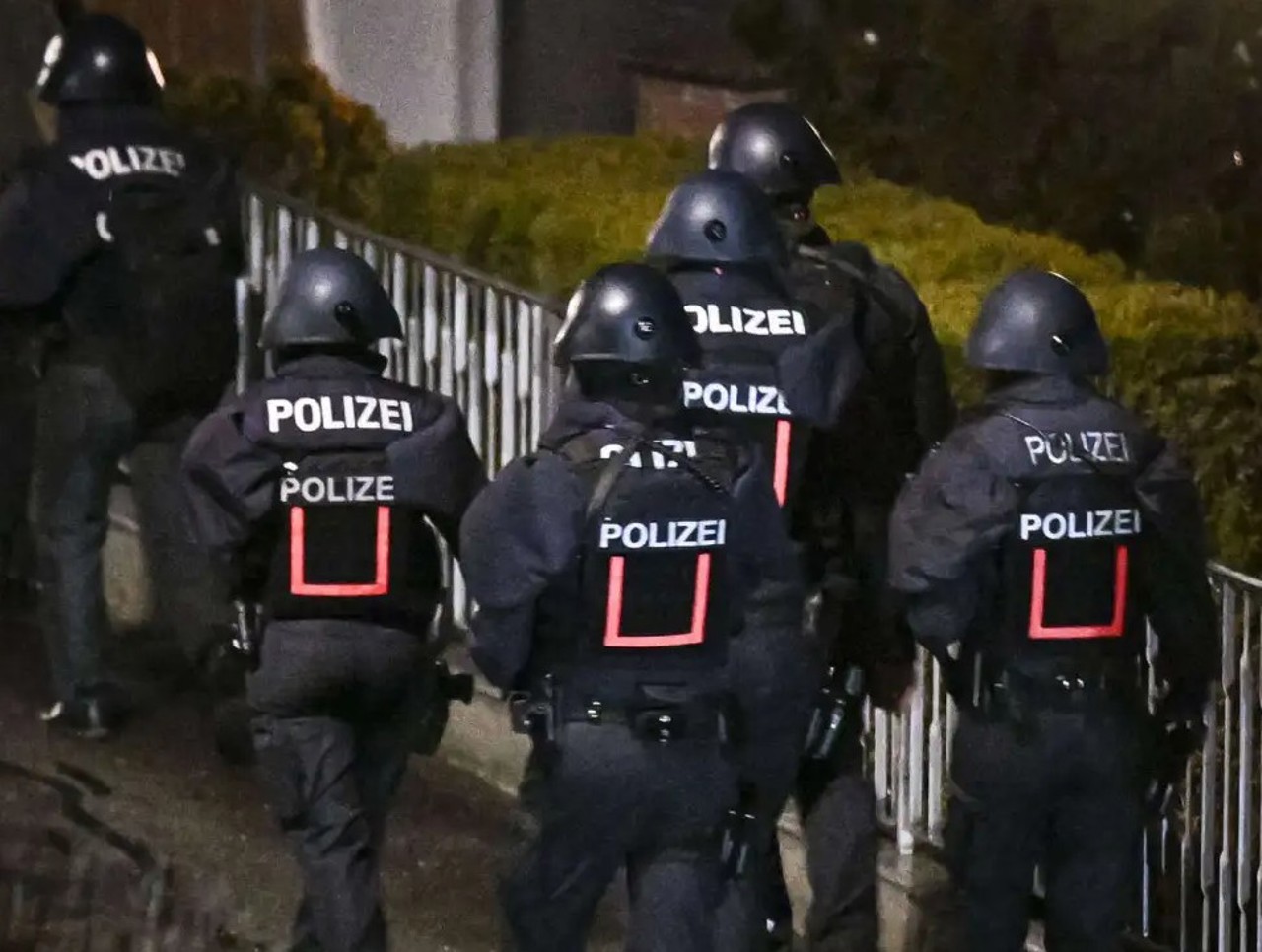
The German Federal Prosecutor's Office announced the arrest of a dual Moldovan-Romanian national in the southwestern region of Enz, Baden-Wurttemberg. State police forces from Baden-Wurttemberg and Rhineland-Palatinate executed the security operation following a comprehensive counterterrorism probe.
The suspect, identified as Nichita Popescu, faces formal charges of attempting to establish a foreign terrorist organization and planning severe acts of violence targeting a sovereign state. According to federal investigators, the individual aimed to trigger a right-wing extremist conflict to collapse the Romanian state.
Transnational cyber-radicalization infrastructure
German federal prosecutors established that the suspect had operated two encrypted digital channels targeting Romanian youth since early 2023. The platform functioned as a recruitment and operational hub for an extremist cell modeled after historical national-socialist structures.
The indictment reveals that the administrator instructed subscribers to execute targeted hate crimes, arson attacks on migrant centers, and vandalism against LGBTQ+ facilities. Furthermore, the digital channels distributed technical manuals for manufacturing improvised explosives, Molotov cocktails, and vehicle-borne alternative weapons.
Judicial proceedings and investigative background
The defendant is scheduled to appear before an examining magistrate at the Federal Court of Justice in Karlsruhe. The judicial hearing will determine his formal pre-trial detention status under German criminal procedures.
Romanian investigative journalists at PressOne previously exposed the network, identifying it as Unit 731. Romanian judicial sources subsequently confirmed that the mastermind behind the cyber-extremist group was Nichita Popescu.
The cell integrated gamified reward systems, granting digital points to high school recruits for committing street assaults against homeless individuals and desecrating Jewish historical monuments. Popescu operated the network from Germany, explicitly baseline-modeling his operations on extremist paramilitary organizations active across Eastern Europe.
Translation by Iurie Tataru