Moldova government to maintain core lineup post-PM resignation
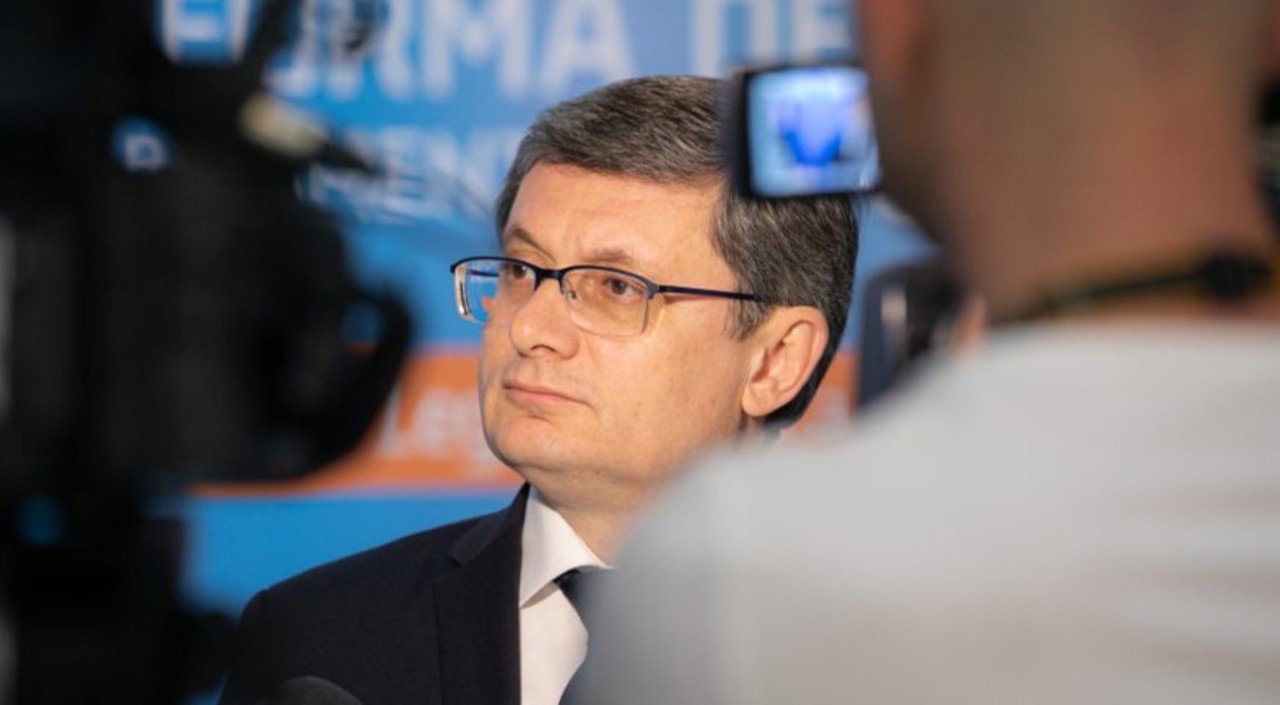
The incoming Moldovan cabinet configuration will remain largely unchanged following the recent resignation of Prime Minister Alexandru Munteanu. Parliament Speaker and Action and Solidarity Party (PAS) leader Igor Grosu announced the decision on July 6, emphasizing the critical need for institutional stability during the country’s European integration process.
Grosu noted that while the eventual prime minister-designate will influence the final list, the majority of current ministers perform effectively and will be retained. He stressed that continuity is essential to preserve institutional memory as Moldova navigates its accession agenda.
Urgent structural reforms ahead
The Parliament Speaker stated that the next prime minister must be a courageous leader willing to take ownership of unpopular but necessary structural adjustments.
Grosu identified 2026 as a pivotal year for executing long-delayed initiatives. These include public administration restructuring, fiscal adjustments, and comprehensive salary scale reforms. Delaying these measures, he warned, would only compound the issues.
Ruling party maintains unity
Grosu firmly dismissed allegations that a faction of lawmakers plans to defect from the 55-seat PAS parliamentary majority.
The statements followed claims by an opposition politician suggesting Munteanu resigned because President Maia Sandu rejected a reform package over fears of a party split. Grosu categorized these reports as disinformation originating from nationalist and populist opposition factions. He assured that the ruling team remains fully unified.
Policy disputes triggered resignation
Former Prime Minister Alexandru Munteanu announced his resignation on Friday, July 3, via a brief social media post. He stated he chose to step down after concluding he could no longer execute his duties in alignment with his core convictions.
President Maia Sandu denied imposing any political pressure or operational limits on the former premier. She asserted that Munteanu maintained full executive autonomy during his tenure but ultimately made a personal choice to step down.
According to Sandu, Munteanu raised no preconditions upon his departure. However, private discussions highlighted policy disagreements with the Minister of Education and Research, Dan Perciun.
Minister Perciun later confirmed that internal debates occurred regarding proposed fiscal adjustments and salary reforms. He noted that certain provisions had not been fully vetted and had generated sharp public dissatisfaction. Munteanu declined to elaborate further, stating only that time would clarify the complex factors behind his decision.
President Sandu has scheduled consultations with parliamentary factions this week to designate a new prime minister candidate. Several opposition parties, including the Socialists, have publicly refused to participate in the presidency-led talks. Sandu responded that while participation is a constitutional right, the process will move forward with the parties that choose to engage.
Translation by Iurie Tatru