Ukrainian drone strikes force Russia to stop diesel exports
Ukrainian drone strikes on refineries and tankers have forced Russia to suspend diesel exports and prepare for fuel imports. Within just three days, 19 tankers and a cargo vessel from the Kremlin’s shadow fleet were damaged.
Eleven of Russia's largest oil refineries are currently non-operational. As a result, the growing fuel crisis has spread far beyond the occupied Crimean peninsula, affecting the entire Russian Federation.
Recent drone attacks targeted two oil depots in Stavropol and Tver, located 500 kilometers from the frontline. Another oil terminal in the Rostov region sustained damage, while two Russian tankers were hit in the Sea of Azov, leaving one ablaze.
Disruption of military supply lines
Russia relies heavily on maritime routes to transport fuel for its troops in occupied Crimea. Ukrainian forces are targeting both land and sea logistics to sever the fuel supply lines of the Russian military.
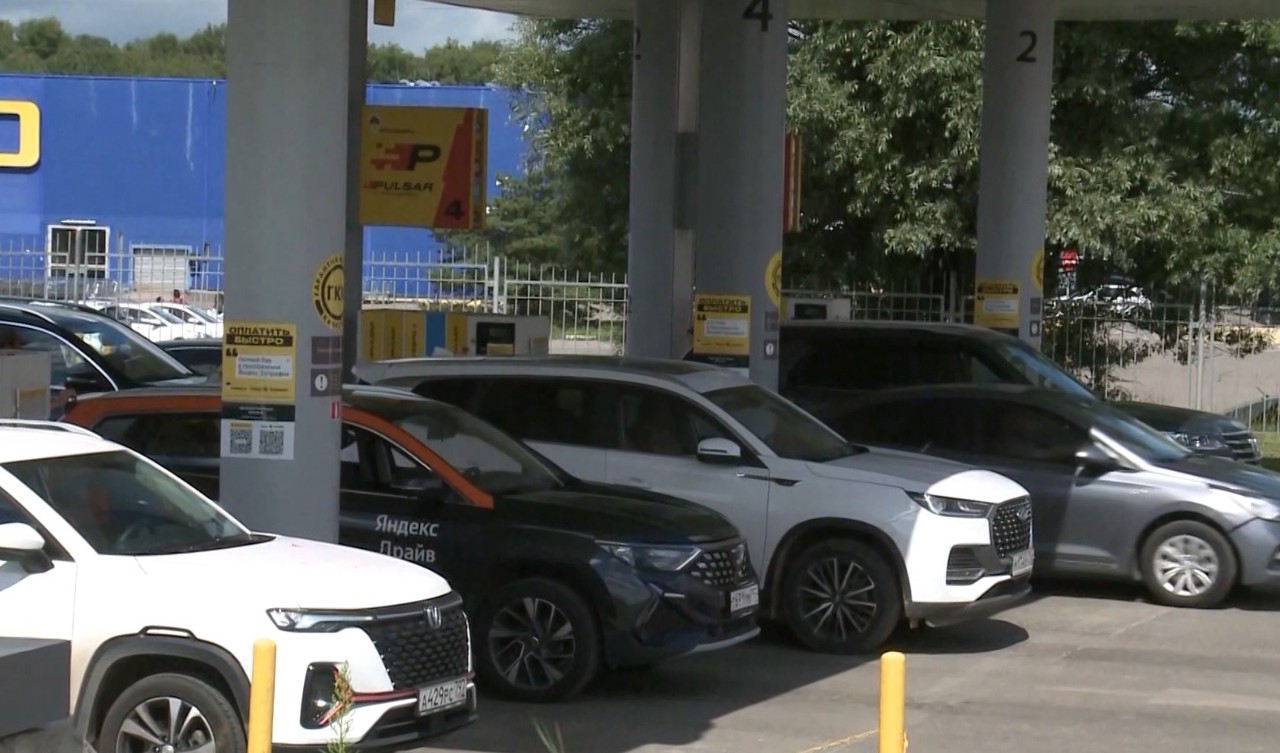
Residents across occupied Crimea face rolling power outages and closed gas stations due to severe fuel shortages. Top Russian officials have been forced to publicly acknowledge the gravity of the disruption.
"Forced reductions in fuel production volumes have altered delivery routes to end consumers," said Russian Deputy Prime Minister Aleksandr Novak. He noted that engine fuel demand surged by roughly one-third, prompting the export ban on diesel to boost domestic supplies. Novak added that Russia will begin importing refined petroleum products in July and temporarily lower environmental production standards to increase output.
Kremlin frames crisis as holiday disruption
Russian President Vladimir Putin minimized the impact of the strikes, framing the systemic shortages as a temporary nuisance.
"These are obviously temporary measures," Putin stated. "The situation is linked to attempts to disrupt the holiday season for our citizens in the south, including Crimea. Nevertheless, we must act now to support both residents and tourists."
Despite being the world's second-largest oil producer after the United States and Saudi Arabia, Russia now faces widespread domestic fuel scarcity. While Moscow previously turned to emergency fuel imports from Belarus and India in 2023, authorities now plan large-scale, sustained imports of gasoline and diesel from India.
The strikes are part of a targeted 40-day Ukrainian campaign designed to disrupt Russian military logistics and pressure Moscow to halt its invasion.
Translation by Iurie Tataru