Russia weaponizes personal data to destabilize Moldova
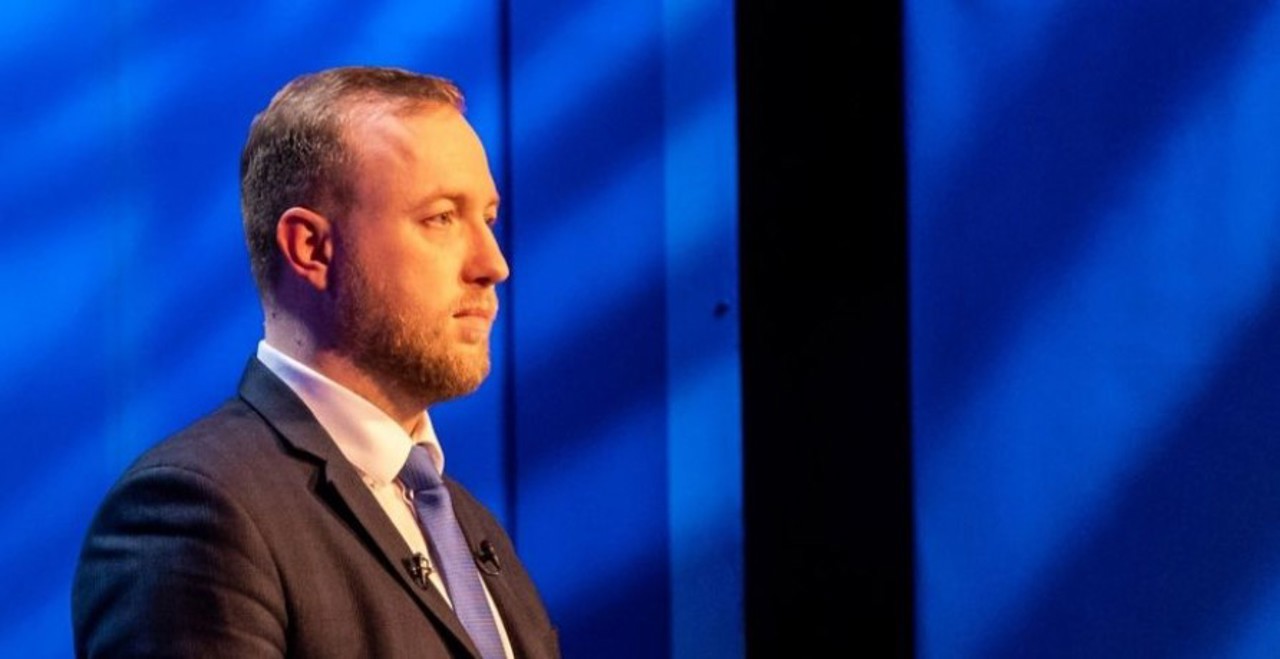
Russian security services are transferring stolen personal data to organized crime syndicates to launch widespread phone fraud campaigns in Moldova, according to Alexandru Musteața, head of the Information and Security Service (SIS).
Speaking to Ziarul de Gardă, Musteața stated that recent cyberattacks and dark web leaks are part of a coordinated Kremlin strategy designed to drain citizens' finances and erode public trust in state institutions ahead of upcoming elections.
State-sponsored cyber fraud
Investigators noted that the call centers executing these phone scams operate outside Moldova, with caller accents indicating foreign origins. The intelligence chief emphasized that these operations extend beyond routine criminal fraud.
"Analyzing how rapidly these scam patterns grew, it became clear to us that this is a coordinated action," Musteața said. "The directive was simple: inflict maximum financial damage on Moldovans."
Disinformation and political corruption
Moscow has also shifted its disinformation tactics, moving beyond Telegram to platforms like TikTok and paid advertising on Facebook. This shift is paired with long-standing efforts to corrupt Moldova's political and legal systems.
Musteața highlighted historical operations like the landmark $1 billion bank fraud and the "Russian Laundromat" as prime examples of how Russian financial flows corrupted key judicial sectors. He outlined two main methods used by Moscow: grooming individuals to become political figures and illegally funding active politicians to act against national security interests.
Treason enquiries and soft power
Documenting high treason remains a complex process, as local agents and Russian handling officers from the FSB, SVR, or GRU rarely meet in person—sometimes only once every six months. Formal cases are handed over to the Special Prosecutor's Office (PCCOCS) only when evidence meets strict criminal thresholds.
Cryptocurrency has become the primary mechanism for transferring illegal funds into Moldova, with financial injections surging during election years. Additionally, church structures affiliated with the Moscow Patriarchate continue to serve as key soft-power instruments for Russian influence.
Musteața has led the SIS since June 2022, having previously served as an advisor to former Prime Minister Natalia Gavrilița.
Translation by Iurie Tataru