Over 98% of Transnistria residents hold Moldovan citizenship
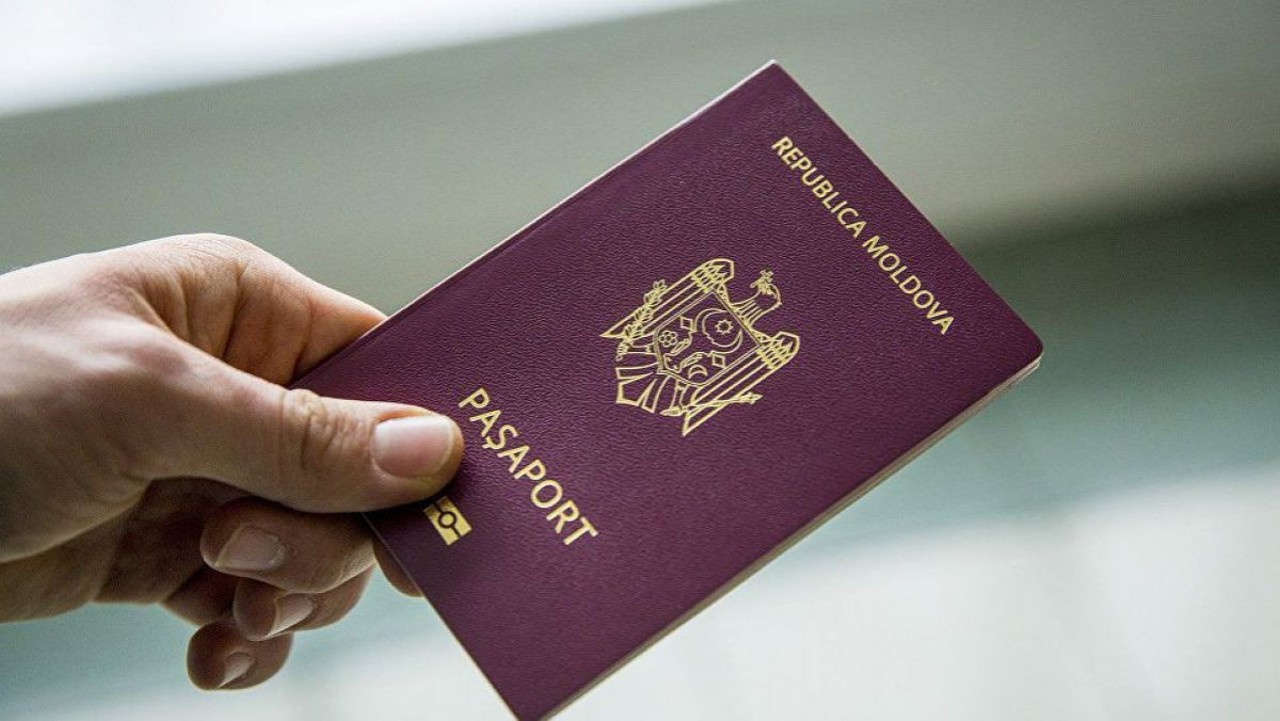
The vast majority of residents living in Moldova's breakaway Transnistrian region hold Moldovan citizenship, according to the latest figures from the Public Services Agency (ASP).
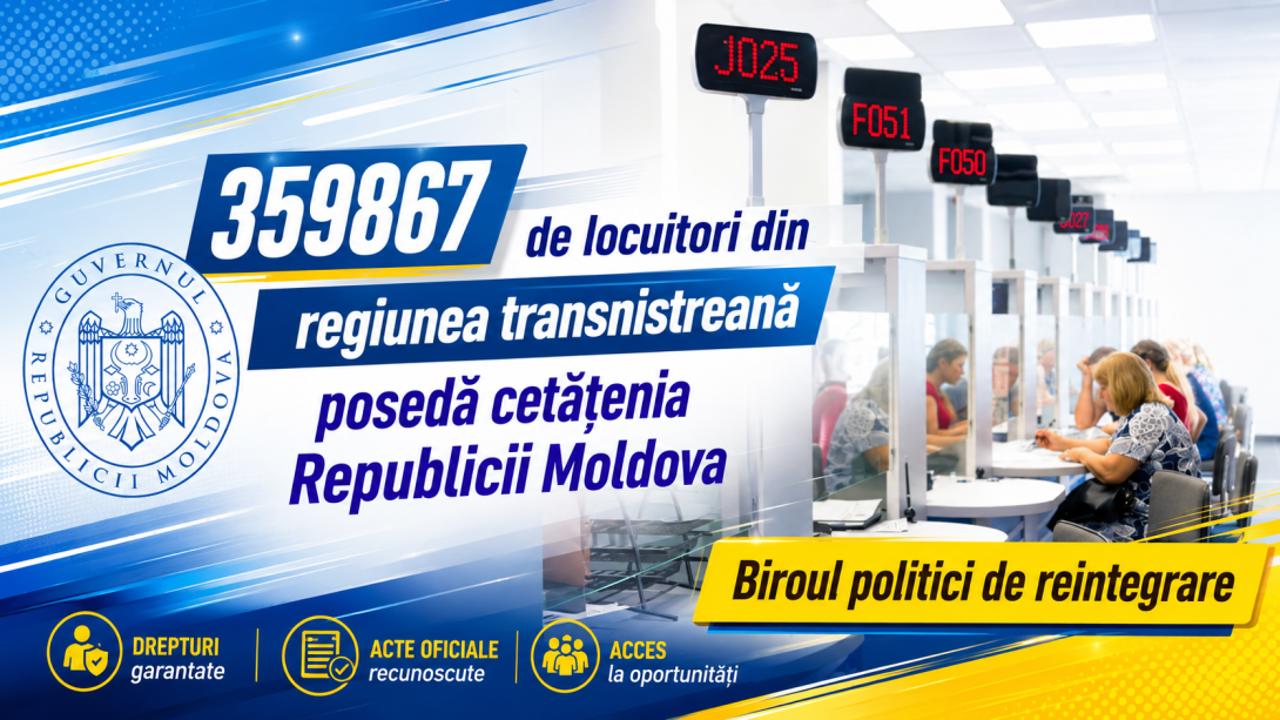
By the end of June 2026, official records listed 366,830 residents in the left-bank localities and the municipality of Bender (Tighina). Of these, 359,867 hold citizenship of the Republic of Moldova.
Widespread documentation among local population
More than 339,000 residents in the region hold Moldovan passports, while over 301,000 possess national identity cards.
The State Population Register also includes 6,963 foreign nationals, permanent and temporary residence permit holders, stateless individuals, refugees, and beneficiaries of humanitarian protection.
Increased adoption of state facilities in 2026
During the first six months of 2026, residents in the region continued to utilize statutory fee waivers and administrative simplifications to obtain official Moldovan identity documents.
In H1 2026, a total of 7,404 individuals benefited from reduced fees or simplified procedures for standard identity cards, while 43 received support for provisional identity cards.
This marks a significant increase compared to the same period in 2025, when 1,419 citizens received identity card facilities, 116 obtained fee waivers for older-format ID documents, and 149 received temporary documents.
Civil status and demographic trends
Between January 1 and June 30, 2026, Moldovan authorities certified 4,521 civil status events originating from the Transnistrian region and Bender.
Births: 1,818 recorded events
Marriages: 1,191 recorded events
Divorces: 908 recorded events
Deaths: 523 recorded events
Name changes: 81 recorded events
Demographic data reveals a population of 174,030 men and 192,800 women registered in the area. Approximately 56% of the population is aged between 20 and 59, while 28% is aged 60 and above.
Moldovan authorities reaffirmed their commitment to ensuring uninterrupted access to public documentation and civil status services for left-bank residents, safeguarding their fundamental rights and access to state services.
Translation by Iurie Tataru