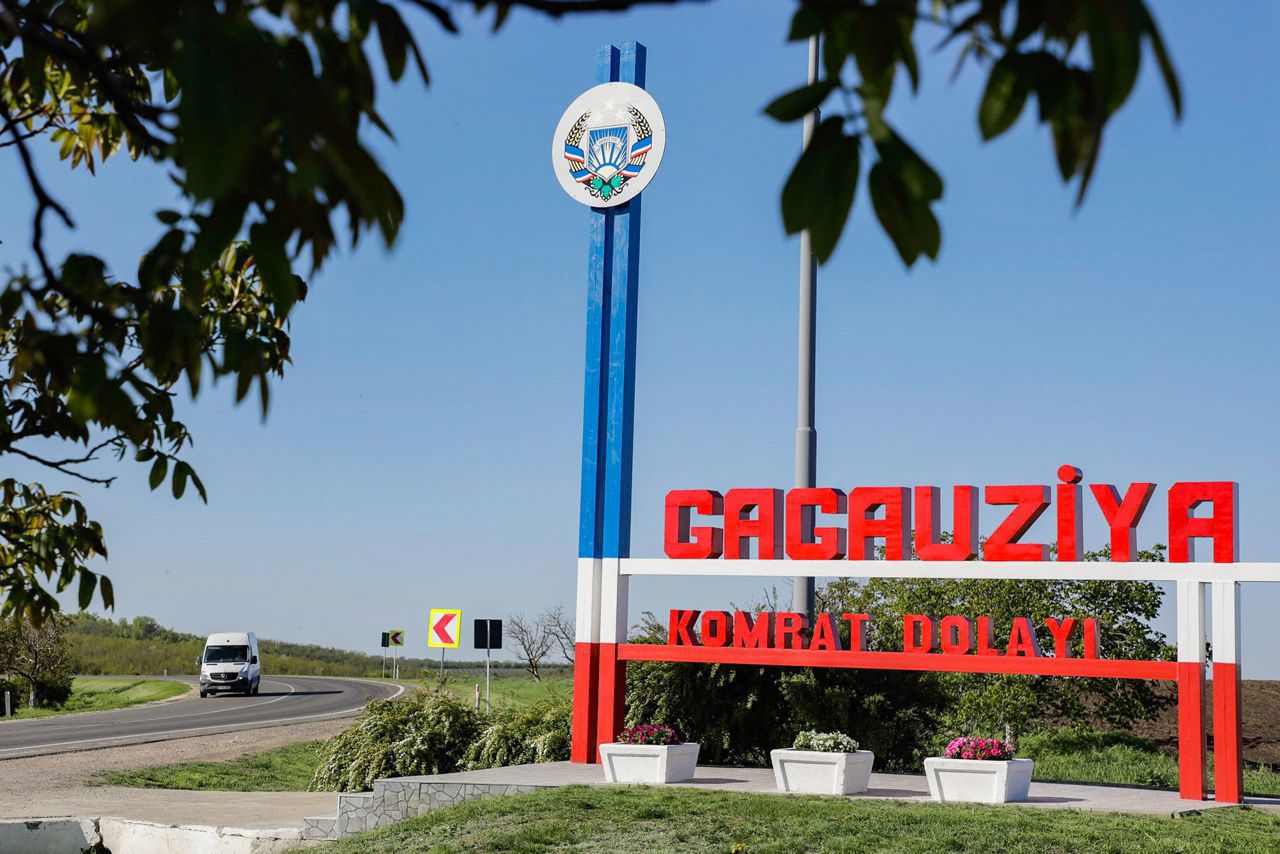
Gagauzia teachers join program to protect and promote their language
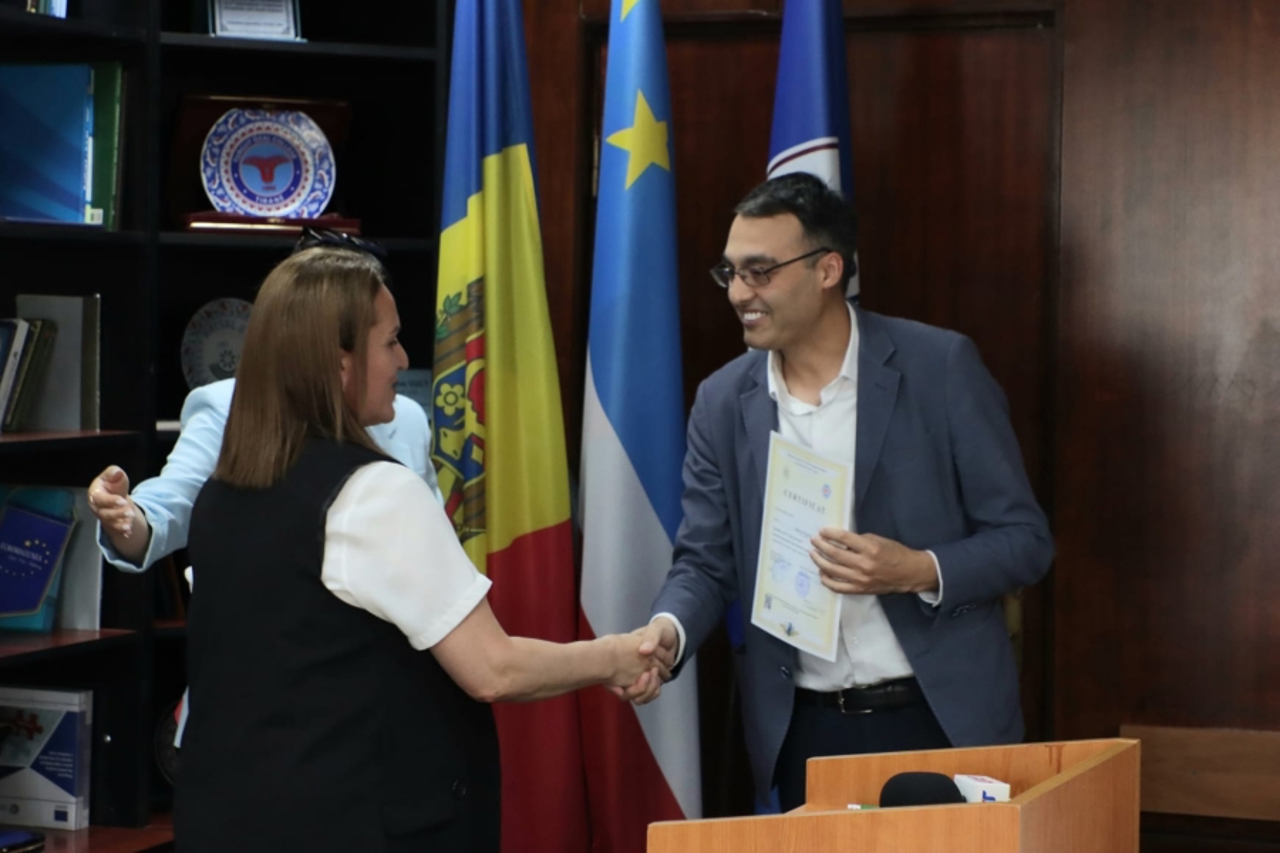
A group of 47 teachers from the Gagauz Autonomous University of Moldova (UTA) has successfully completed advanced training courses in the Gagauz language. These courses were organized by the Ministry of Education and Research in collaboration with the University of Comrat. This initiative is part of the national action plan for 2026-2027, which aims to support the learning and promotion of the Gagauz language in the region.
"Supporting the professional development of teachers in the Gagauz language is one of the most effective investments in the future of education. Those teachers who complete these courses will play a vital role in improving the quality of education and in promoting the linguistic and cultural heritage of the Gagauz people," stated Ivan Duminica, Head of the Policy Service in the Field of Interethnic Relations within the Ministry of Education and Culture, during the graduation certificate awarding ceremony.
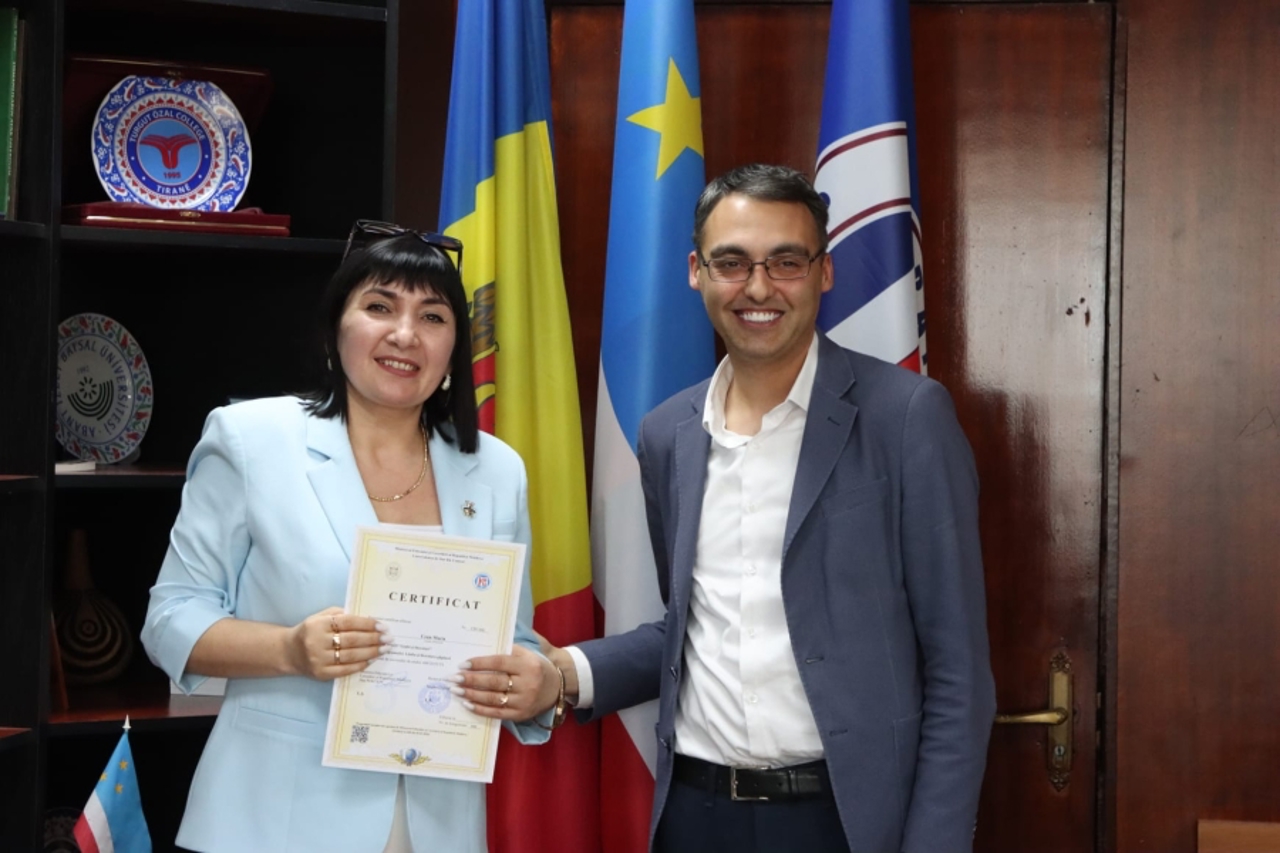
According to him, the MEC will continue the training program in 2027, offering more teachers the opportunity to participate.
The program focused on teaching the Gagauz language and literature through modern methods, as well as developing teachers' digital skills, with the objective of improving the quality of the educational process in schools in the autonomy.
The Ministry of Education and Research allocated approximately 130 thousand lei for the organization of the program.

The Gagauz language is at significant risk of extinction, with its presence in daily communication and within families diminishing. Despite this, most residents believe it is essential to their identity.
Data from a sociolinguistic study presented on April 29 at the International Conference titled "Preservation, Development, and Promotion of the Gagauz Language in the Multilingual Space of the Republic of Moldova," organized by the Ministry of Education and Research, revealed that while two-thirds of the region's population view the Gagauz language as a vital part of their identity, its use in everyday communication is rapidly declining.
Experts calculated a critical gap index of 2.58, highlighting the disparity between the desire to preserve the language and its actual use. Key contributing factors include the exodus of young people, cited by 60.9% of respondents; linguistic assimilation due to Russian influence; and insufficient institutional support.