U.S. and Iran clash: Hormuz strait tensions mount
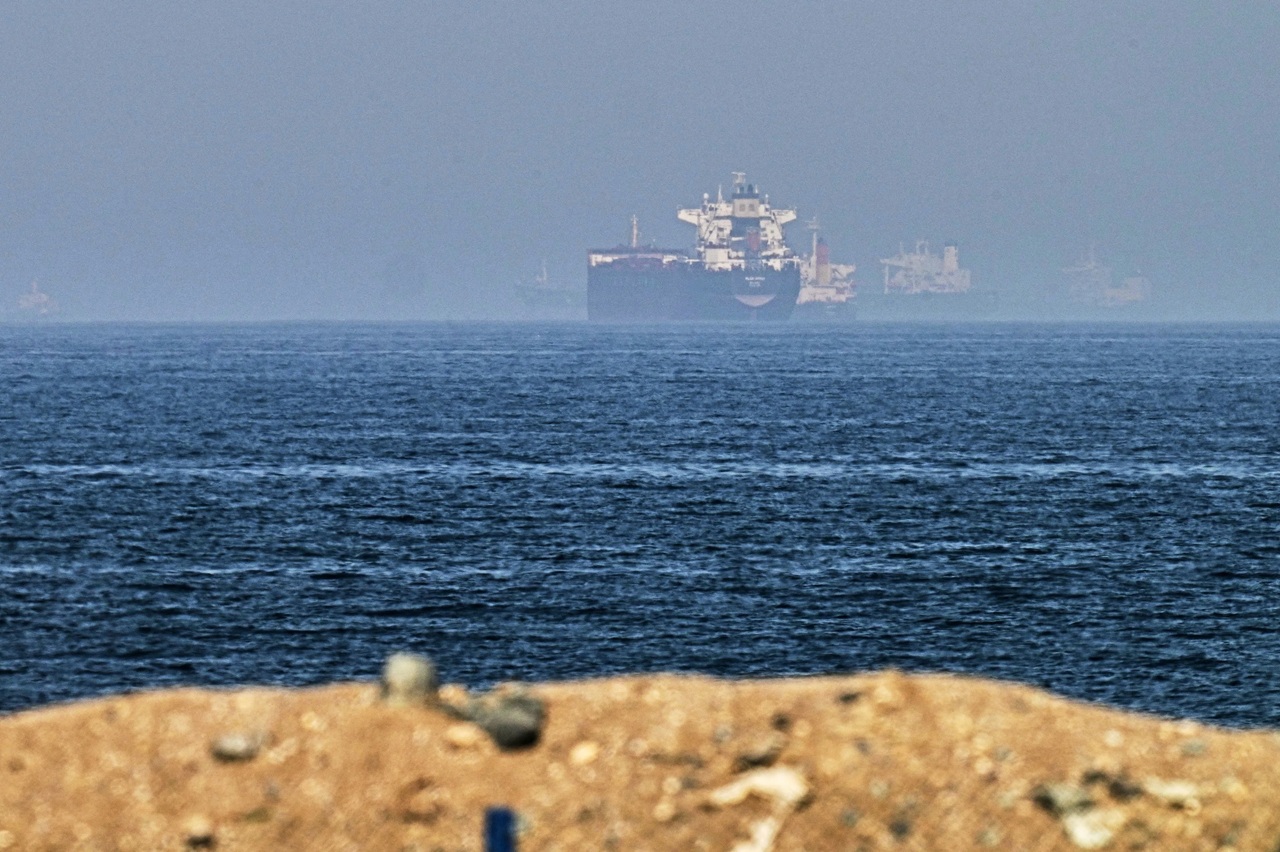
United States President Donald Trump asserted on Sunday that the Strait of Hormuz remains open to commercial traffic, despite escalating military confrontations between the U.S. and Iran. The situation has triggered significant global concern regarding the security of one of the world's most critical oil transit corridors.
The Islamic Revolutionary Guard Corps (IRGC) announced early Sunday that it has closed the Strait "indefinitely." This move followed warning shots fired by Iranian forces at a vessel allegedly using an "unauthorized route."
The incident triggered a series of U.S. retaliatory strikes against Iran, to which Tehran responded by targeting U.S. allies in the Gulf. The U.S. Central Command confirmed these strikes were a response to an Iranian attack on a Cypriot-flagged commercial vessel. The Pentagon reported that the ship sustained severe damage, with one crew member currently missing.
In reaction to the U.S. strikes, Iran launched drone and missile assaults on a U.S. airbase in Jordan, alongside targets in Qatar, the United Arab Emirates, and Kuwait. This escalation follows Iran's recent attacks on three oil tankers navigating the route previously recommended by Washington through Omani waters.
Tehran maintains that only the route through Iranian waters is secure. Furthermore, Iranian officials claim that an existing memorandum of understanding with Washington grants them authority to regulate maritime traffic through the strait.
Translation by Iurie Tataru