Moldova closes 73% of ECHR cases under CoE supervision
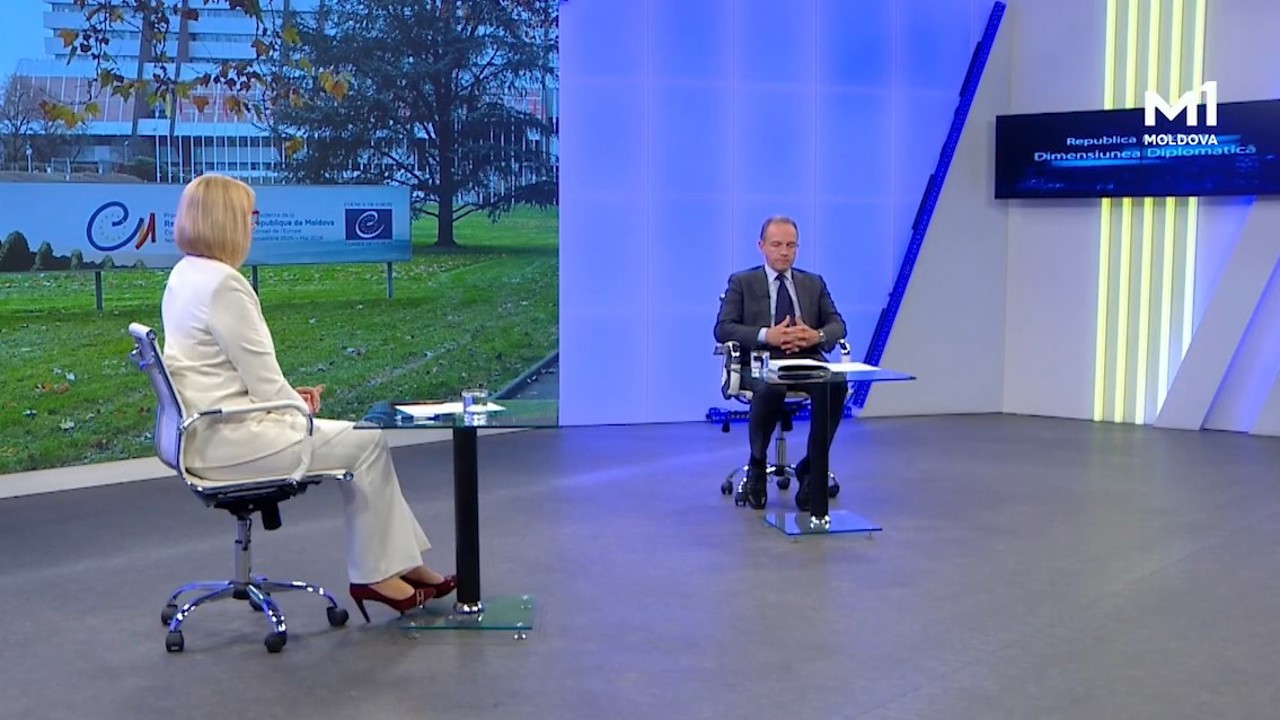
Moldova has successfully resolved 73% of all cases monitored by the Committee of Ministers of the Council of Europe (CoE). The advancement highlights steady progress in implementing European Court of Human Rights (ECHR) judgments, despite persistent challenges in detention conditions and pre-trial detention reasoning.
The Committee of Ministers closed 20 cases regarding Moldova in 2024, followed by 34 in 2025, and an additional 23 cases during the first half of 2026. Official representatives emphasize that addressing remaining systemic issues requires both substantial infrastructure investment and broader institutional reforms.
Judicial reforms and prison system updates
Council of Europe officials noted significant strides in 2026 toward combating domestic violence, improving data collection, and expanding professional training. Furthermore, authorities accelerated reforms within the probation service and stepped up efforts to overhaul the national penitentiary system.
These initiatives align directly with the Council of Europe Action Plan for the Republic of Moldova 2025–2028. The framework also supports key prerequisites defined by the European Commission for Moldova’s ongoing EU accession process.
Comprehensive external vetting and pre-vetting procedures remain central to rebuilding public trust in the judiciary. While fundamental structures for an independent justice system are now in place, high workloads and staff vacancies continue to present operational hurdles.
Anti-corruption measures and emerging financial risks
According to the latest GRECO fifth evaluation round compliance report, Moldova has satisfactorily implemented or addressed seven out of 25 recommendations. International partners continue to offer technical support for complex high-level corruption investigations and extradition requests.
Extradition efforts regarding prominent high-level cases, including former political figures sentenced by lower courts, remain crucial for public confidence. Simultaneously, law enforcement agencies are adapting to emerging risks involving cryptocurrencies and artificial intelligence applications in money laundering.
Moldova expects its upcoming MONEYVAL evaluation report in 2028 to reflect further progress in anti-money laundering frameworks. Specialized support continues to flow to key state bodies, including the National Bank of Moldova and national Financial Intelligence Units.
Long-term trajectory and European integration
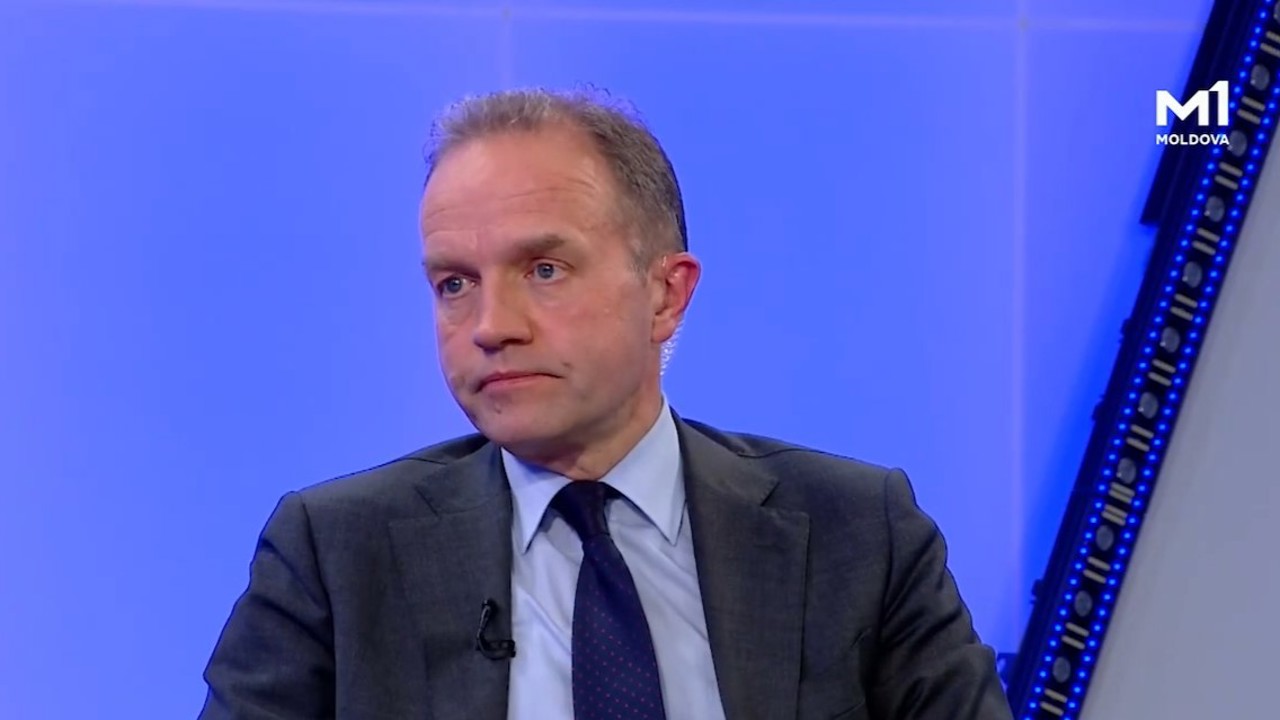
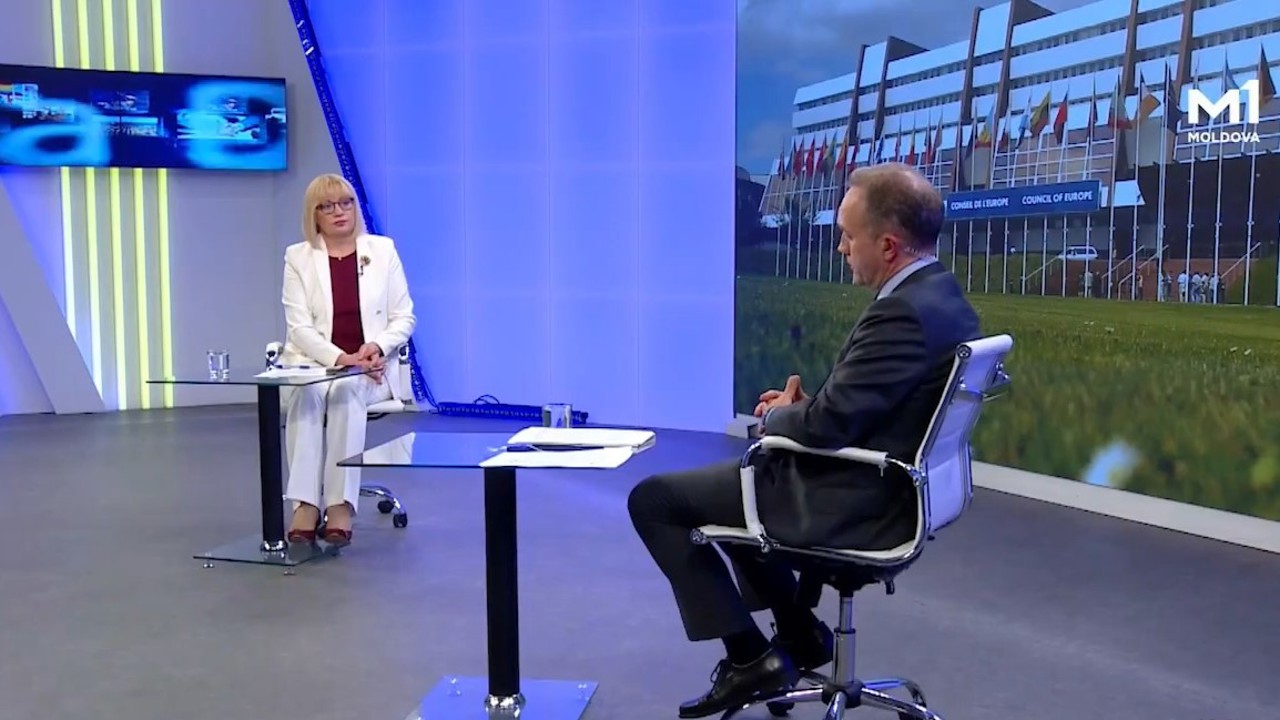
Reflecting on his tenure at the end of his mandate, the Head of the CoE Office in Chisinau emphasized the country’s dynamic development over the past two decades. The socio-political orientation toward European integration was further underlined by recent national electoral processes.
Moldova joined the Council of Europe on July 13, 1995, and remains under parliamentary monitoring. Following a recent visit by PACE co-rapporteurs to Chisinau, a new monitoring report will determine the next steps regarding the formal supervision procedure.
Translation by Iurie Tataru