Stroke is increasingly affecting young people despite faster treatment and lower mortality
Stroke remains a significant public health issue in the Republic of Moldova, affecting thousands of individuals each year. While the healthcare system has enhanced its ability to respond by establishing a network of specialized centers, doctors emphasize that quickly recognizing symptoms and promptly calling the 112 emergency service can be crucial. This swift action can mean the difference between life and disability, or even death.
In an interview on the “Zi de Zi” program on Radio Moldova, neurologist Eugeniu Mindrigan noted that, starting in 2023, a network of 13 stroke centers has been established in the country. This initiative has helped to reduce the time to intervention after symptoms appear, resulting in a decrease in mortality rates.
“The mortality rate has decreased from 163 to 124 patients per 100,000 population,” the doctor stated.
He emphasized that by reorganizing the healthcare system and shortening the intervention time, the chances of survival and the avoidance of complications have significantly improved.
Every year, between 10,000 and 12,000 cases of strokes and transient ischemic attacks are recorded in the Republic of Moldova. The incidence and mortality rates are several times higher than the European Union average, according to Eugeniu Mindrigan. The doctor pointed out that young and professionally active individuals are increasingly affected.
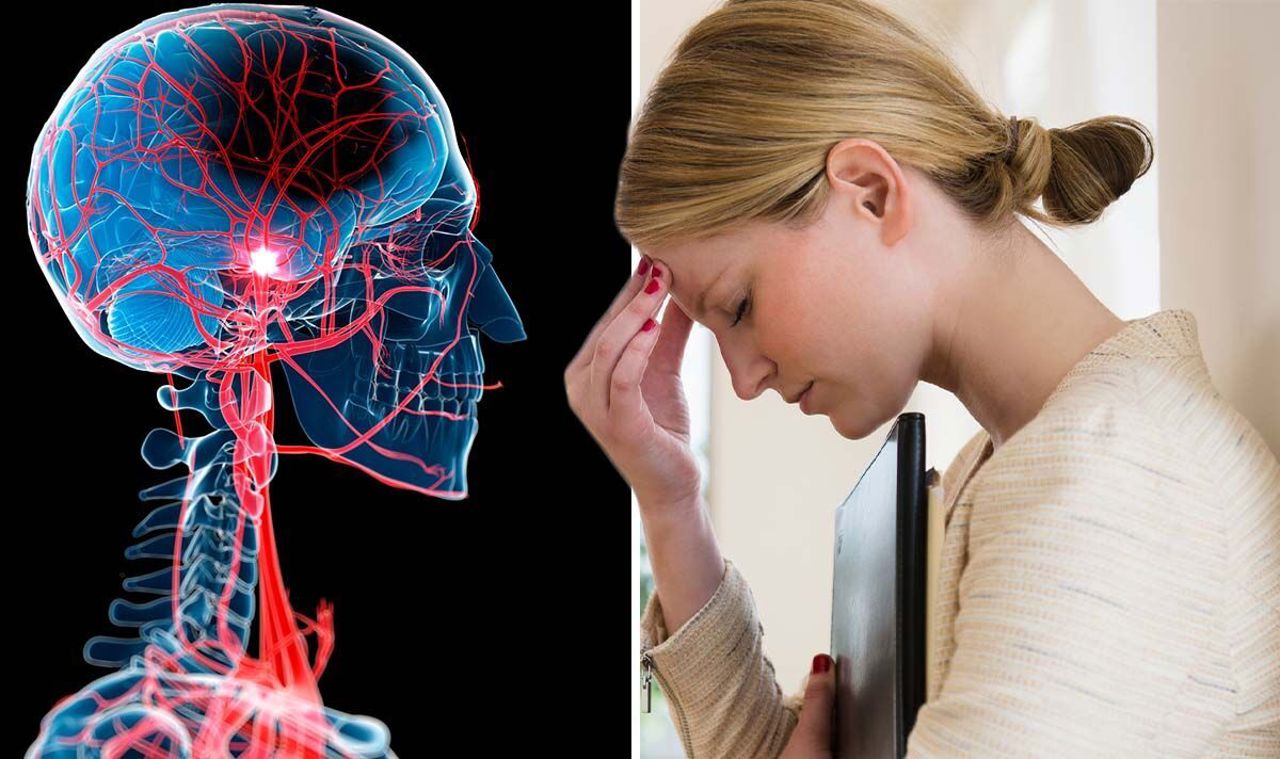
The main signs of a stroke include a severe headache characterized by sudden and intense pain, facial asymmetry (often observed as drooping on one side of the face), weakness in the limbs (either an arm or a leg), speech difficulties, and loss of consciousness.
“When a person cannot get up, when we notice slurred speech, or when they are unable to express themselves, we must immediately call 112 to report a possible stroke,” the neurologist explained.
Additionally, the specialist noted that prevention is the most effective way to reduce the risk of stroke. This can be achieved by adopting a healthy lifestyle, managing chronic diseases, engaging in regular physical activity, and attending periodic medical check-ups.
Health authorities stress that reducing the number of stroke cases and disabilities relies on both prompt treatment access and preventive measures, along with educating the public on how to recognize symptoms. In this regard, health education and regular medical check-ups are essential in mitigating the impact of strokes on the population.