Soroca industrial paradox: High employment but lowest turnover
The industrial municipality of Soroca is facing a severe structural economic paradox. Despite possessing a deep industrial base—a rarity among Moldovan localities—the city registers the lowest turnover per capita and the second-lowest labor productivity per employee in the country.
According to a 2024 economic analysis by the Europolis consulting firm, Soroca's industrial sector generated 38% of the city's total turnover and provided nearly 39% of local jobs. The municipality relies heavily on a legacy economy structured around a few large factories, reflecting its historic role as northern Moldova's industrial hub.
Structural structural imbalances hold back growth
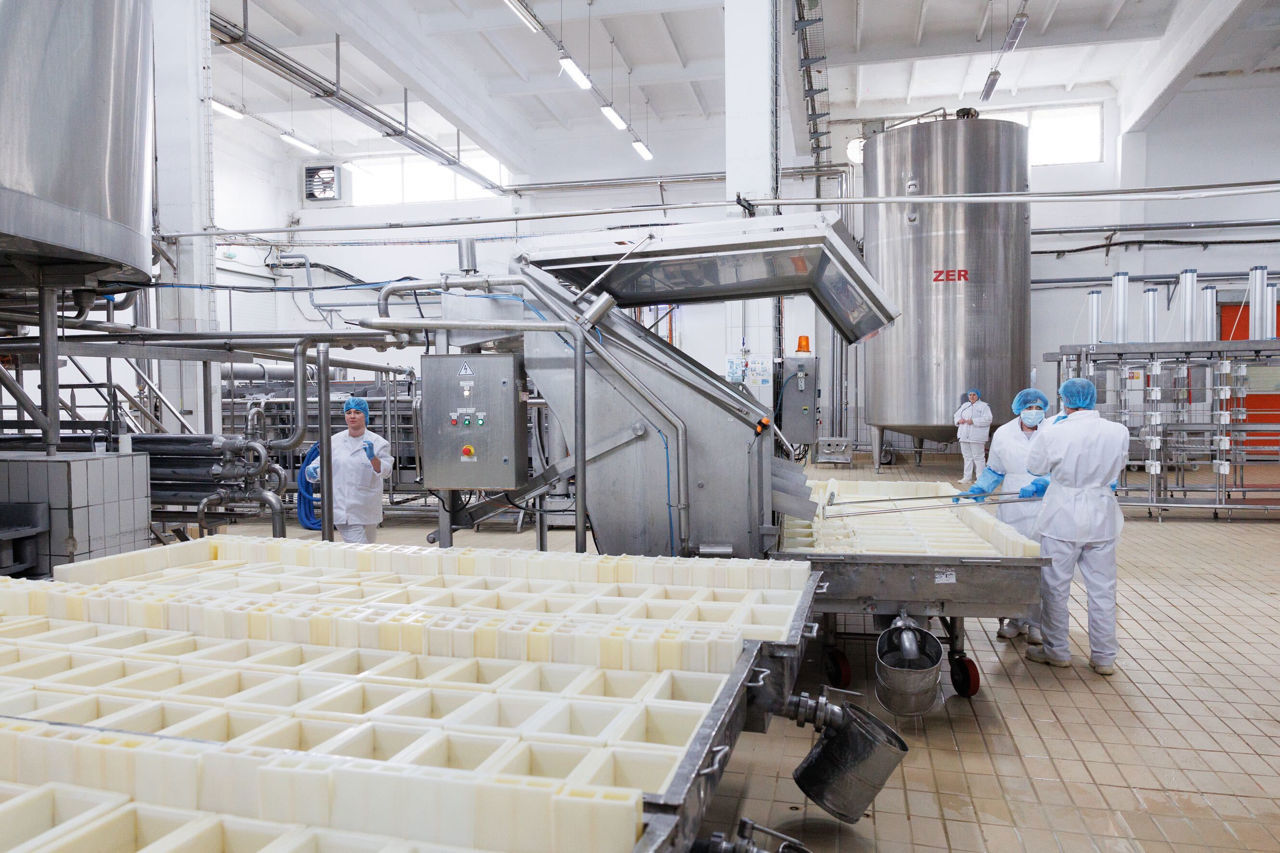
Unlike traditional regional hubs focused on trade and distribution, Soroca operates as a traditional factory-town centered on agri-food processing, textiles, and construction materials. Food processing remains the primary local engine, with the Alfa-Nistru canning plant and the Soroca Cheese Factory generating nearly 30% of all local corporate sales.
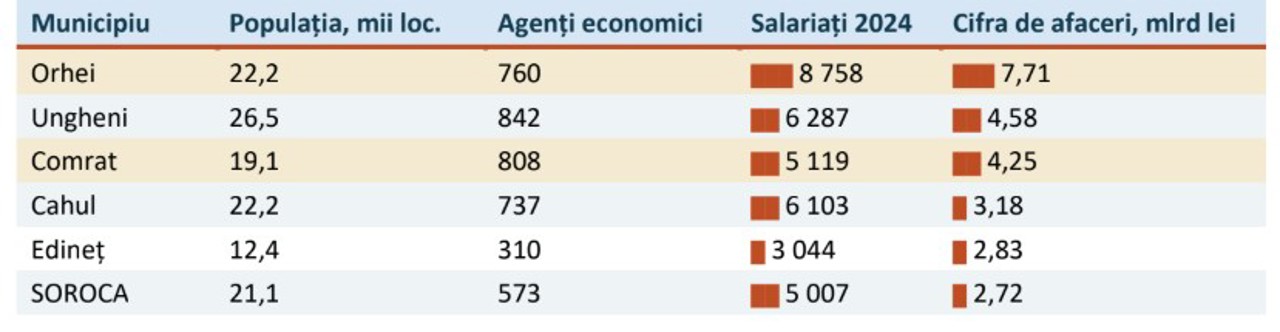
This economic structure places Soroca fifth among Moldova's regional poles by headcount but last in terms of financial turnover. Although the municipality employs over 5,000 salaried workers—outperforming Edinet and matching Comrat—it generated a total turnover of only €138.7 million (approx. 2.72 billion MDL).
The contrast between employment and revenue indicates a highly labor-intensive economy that generates minimal added value. This model represents the opposite of high-velocity trade economies seen in other Moldovan regions like Strășeni or Comrat, where fewer employees move larger financial volumes.
Fragile profitability and shrinking labor force
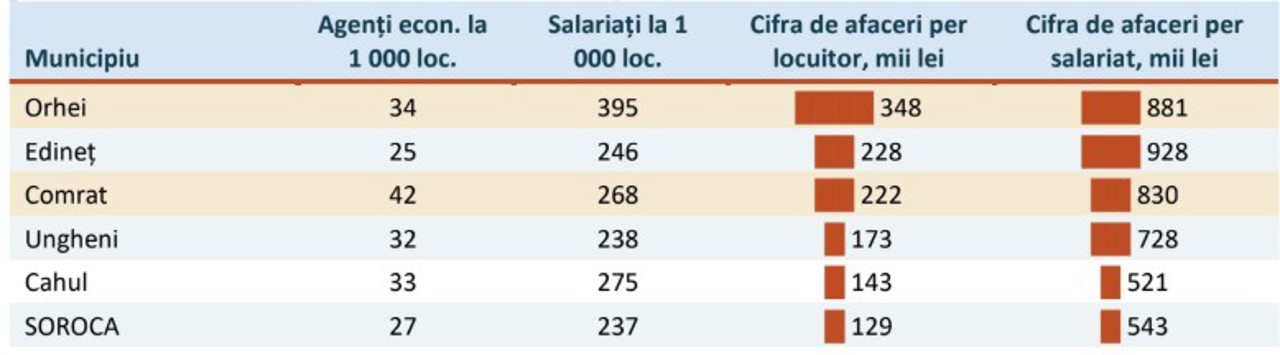
Entrepreneurial density remains modest, with only 27 companies per 1,000 inhabitants. The city registers a low turnover of €6,581 (approx. 129,000 MDL) per resident and a labor productivity rate of €27,704 (approx. 543,000 MDL) per employee, which is roughly half of the national average.
Financial indicators over the last five years show that while the local industrial economy consolidated its nominal value, it lost significant workforce momentum. Nominal turnover increased by 31%, profits rose by 55%, and investments nearly doubled, yet more than 1,000 jobs disappeared from the market.
Furthermore, overall profitability remains fragile and dangerously dependent on a single market player. The Alfa-Nistru canning factory recorded a profit increase of €3.71 million (approx. 72.8 million MDL), while 47% of all local enterprises closed the fiscal year 2024 in the red, including major dairy, textile, and mining operations.
Strategic steps toward high-value manufacturing
The Europolis report identifies excessive regulatory control by local public authorities as a primary hurdle. Analysts recommend lowering regional costs for infrastructure, utilities, and land lease to stimulate private initiatives.
To overcome the current stagnation, local industries must transition from outward processing arrangements (lohn systems) to proprietary products. Shifting from volume processing to established brands and modern technologies is critical for regional survival.
Local experts conclude that the Free Economic Zone (FEZ) sub-zone in Soroca must be aggressively leveraged. Securing a new generation of technological investors is essential to create highly productive and better-paying jobs for the city's 21.1 thousand residents.
Translation by Iurie Tataru