Moldova moves to align Gagauzia elections with national law
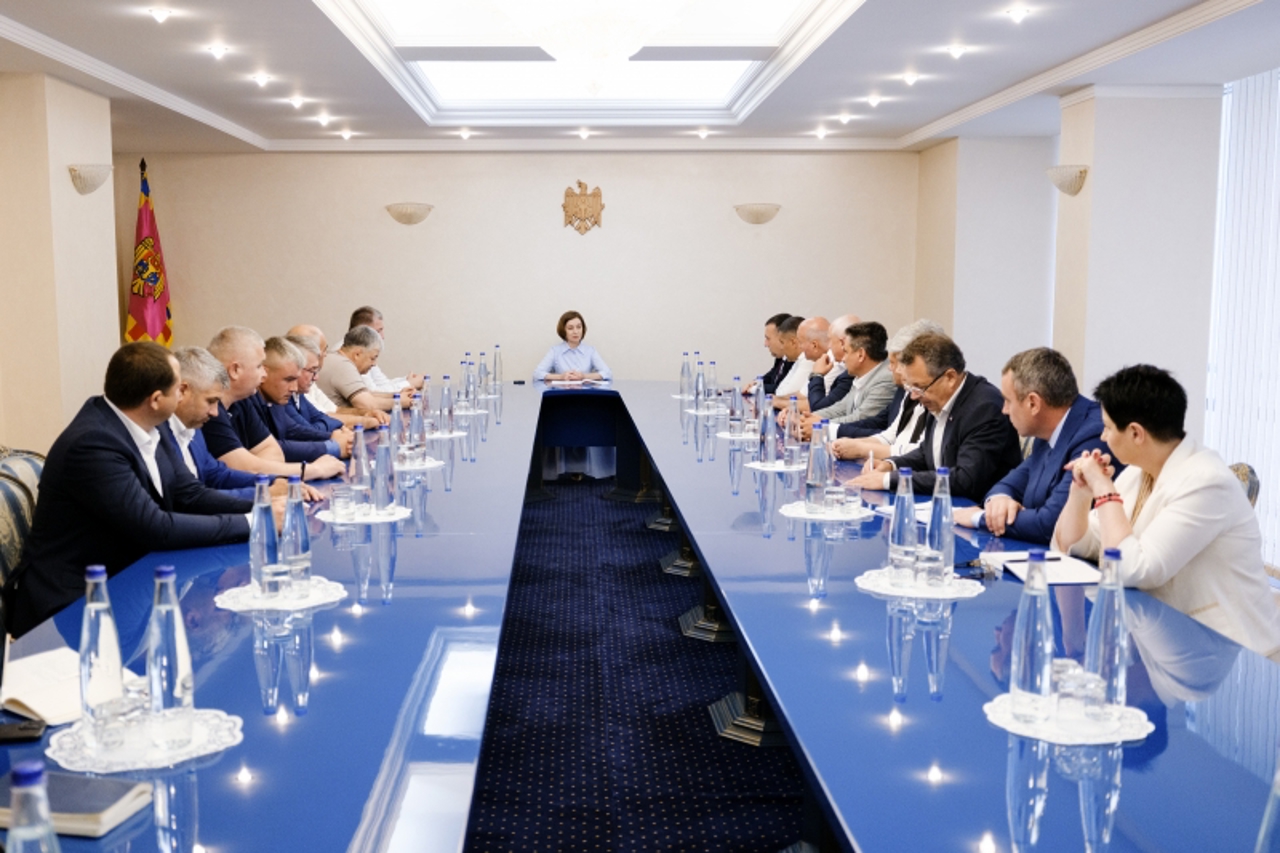
Moldovan President Maia Sandu met with members of the Gagauz Popular Assembly, lawmakers, and central election officials on July 20 to enforce a landmark Constitutional Court ruling that mandates unified electoral rules across the country.
The ruling establishes that Moldova, as a unitary state, must maintain a single electoral framework. Consequently, the national parliament must now adopt organic laws to transition Gagauzia’s legislative elections from a local uninominal system to a proportional representation system aligned with the national Electoral Code.
Closing a legal vacuum
The intervention aims to eliminate persistent discrepancies between central legislation and local regulations in the autonomous region, which have historically complicated campaign finance tracking and enabled foreign interference.
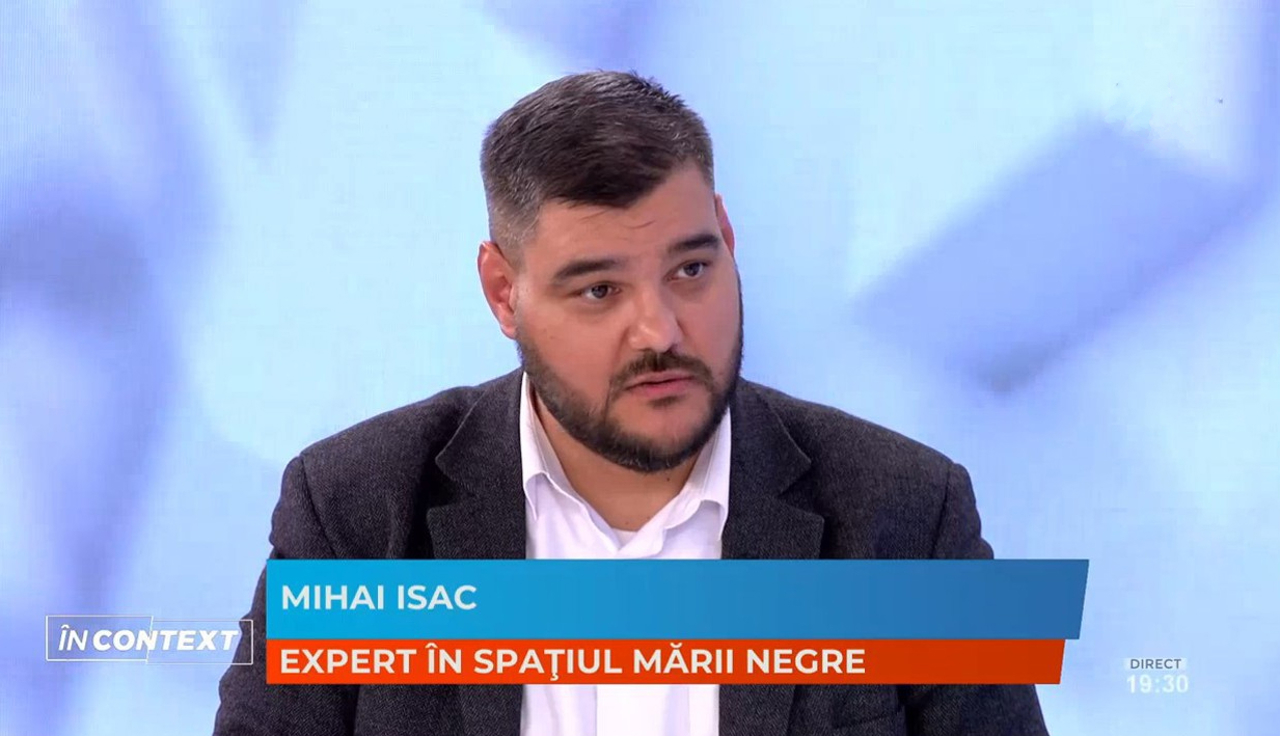
Black Sea regional analyst Mihai Isac highlighted that central authorities currently face a critical, time-sensitive window of opportunity to integrate the region's electoral process and resolve long-standing institutional friction.
"If this opportunity in 2026 is missed, we will face severe challenges in the coming years," Isac warned during an interview on TV channel Moldova 1.
Countering Moscow's hybrid playbook
The analyst noted that members of the Gagauz Popular Assembly currently lack democratic legitimacy, as their mandates expired more than six months ago. He described their recent decision to unilaterally schedule local elections for November 15, 2026, as an illegal maneuver designed to provoke legal challenges from the State Chancellery.
"Part of the leadership in Comrat is executing a playbook orchestrated in Moscow," Isac stated, adding that past local elections in the region were heavily distorted by widespread electoral corruption and illicit funding.
For three decades, the absence of national legal enforcement in Gagauzia allowed external interests to build parallel structures, effectively turning the autonomous region into a geopolitical battering ram against Chisinau's pro-European trajectory.
Direct engagement with local mayors
Despite resistance from compromised regional politicians, Chisinau's strategy of engaging directly with local mayors from autonomy brings renewed legitimacy to the dialogue. Mayors hold direct mandates from the electorate and represent practical community interests over geopolitical posturing.
The electoral reform is expected to provide a clear legal framework separating central and regional powers, curbing Russian influence ahead of the upcoming autumn ballots and helping the region break away from decades of self-imposed isolation.
Translation by Iurie Tataru