Moldova energy efficiency audit highlights bureaucratic bottlenecks
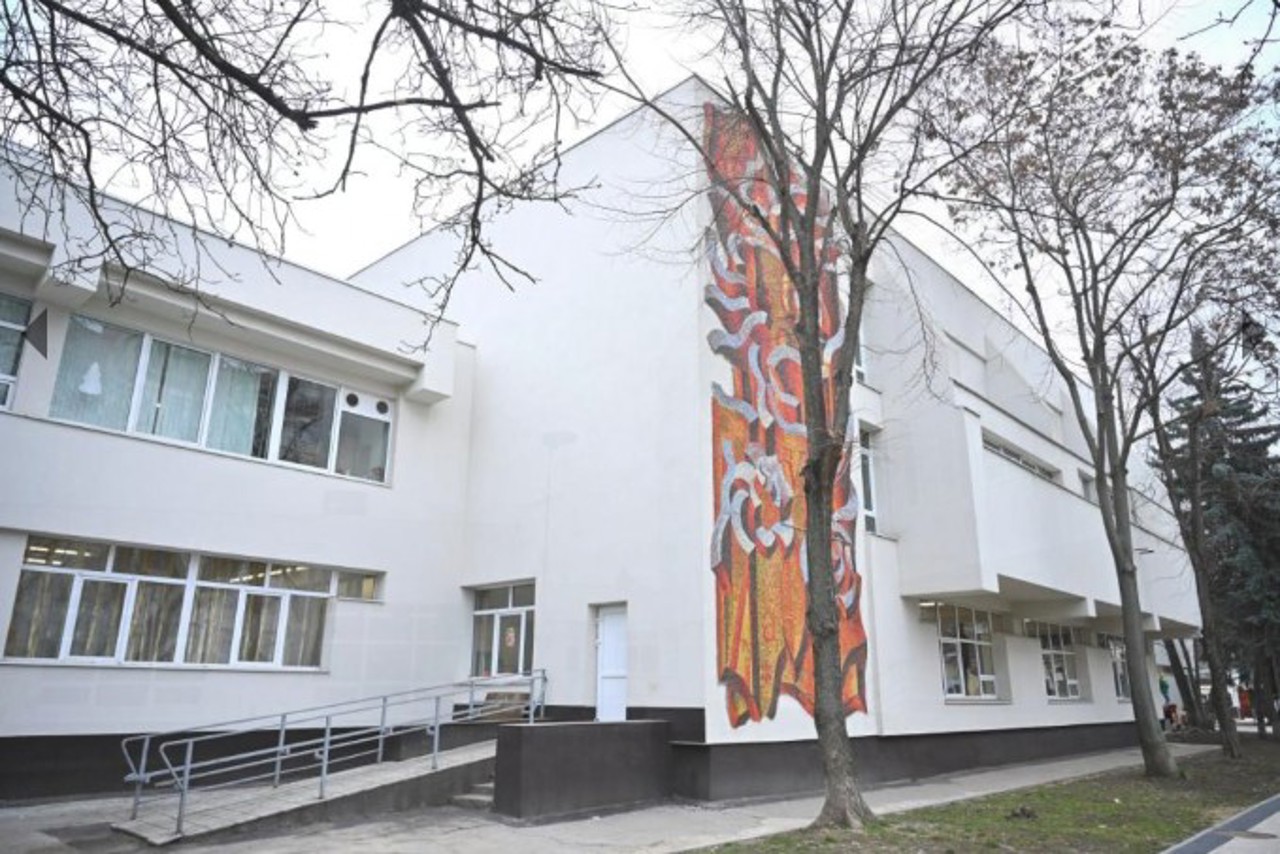
More than half of Moldova’s final energy consumption is absorbed by public buildings. Despite energy efficiency being a top strategic priority, investment returns remain difficult to prove due to the absence of a unified monitoring framework.
Furthermore, severe capital absorption bottlenecks persist. Over the past six years, the state managed to utilize a mere 2.2% of funds drawn for key energy efficiency initiatives.
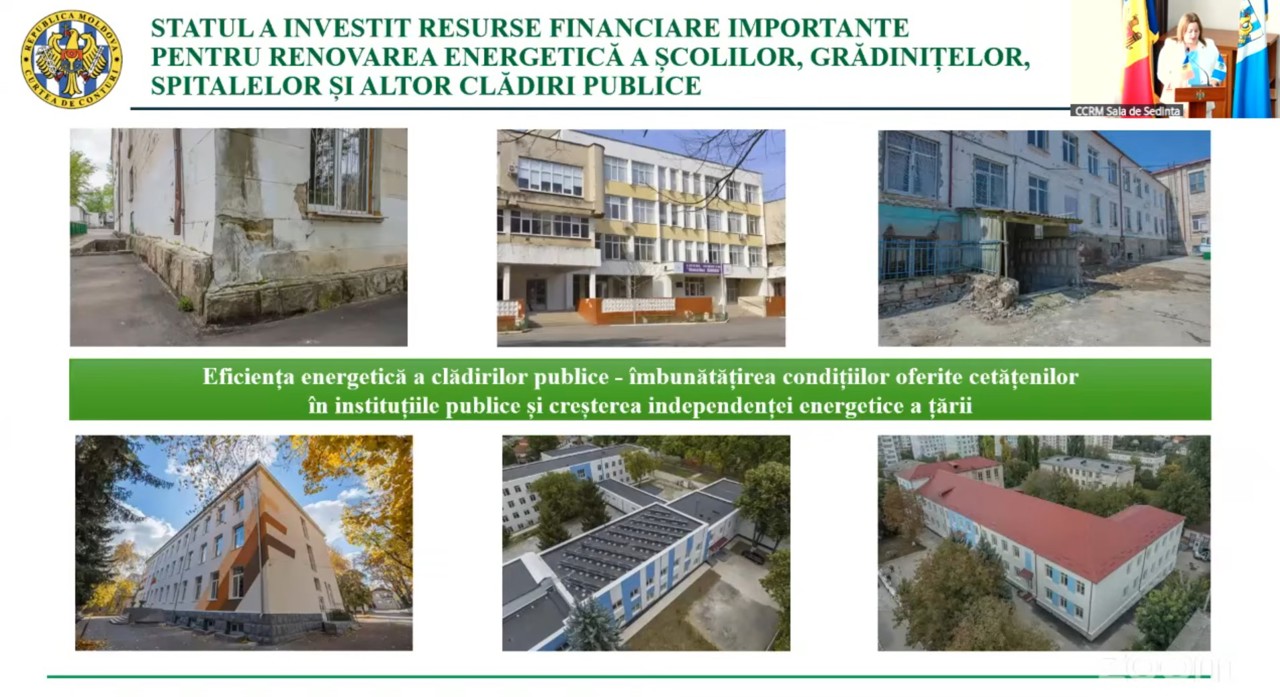
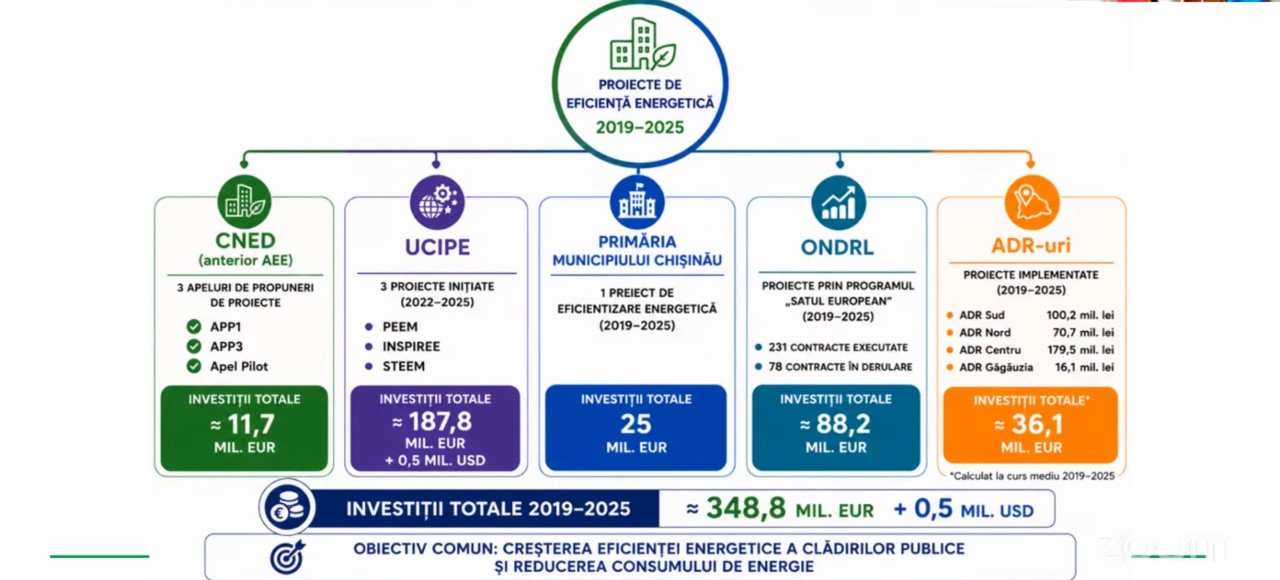
According to a Court of Accounts audit presented on July 21, Moldova channeled €348 million (approx. 6.82 billion MDL) in foreign grants and loans into public building infrastructure between 2019 and 2025.
Aging infrastructure amid strategic energy goals
Auditors highlighted that much of the public real estate portfolio remains severely outdated, driving massive energy losses.
Thermal upgrades across public buildings represent one of the most cost-effective long-term investments for budget savings, environmental protection, and national energy independence.
The €348 million (approx. 6.82 billion MDL) total budget funded wall insulation, roof repairs, window replacements, and modern control systems across hospitals, schools, and kindergartens.
Regulatory mismatches and policy discrepancies
The audit exposed significant mismatches between strategic planning documents, despite ongoing harmonization with European Union standards.
Moldova’s Energy Strategy aims to renovate 10% of public buildings by 2030, whereas national legislation mandates renovating 3% of central public authority floor space annually.
Meanwhile, the Integrated National Energy and Climate Plan sets a separate target of 0.8% annual national energy savings.
"There is no comprehensive national database to identify the worst-performing buildings and prioritize investments effectively," stated Irina Rogaciov, Head of Audit at the Court of Accounts.
Auditors noted that between 16% and 33% of public building records lack basic technical data, forcing decision-makers to operate without accurate baselines.
Responding to inquiries from Court Member Natalia Trofim regarding these policy gaps, Ministry of Energy State Secretary Carolina Novac explained that the targets reflect distinct international commitments rather than a single project.
Novac emphasized that financing programs were launched piecemeal, dictated by the specific conditionalities and availability of foreign donor funding.
Bureaucratic delays paralyze capital disbursement
The reliance on conditional external financing has created systemic vulnerabilities, leaving national authorities unable to prioritize projects based on real internal needs.
Preparatory documentation—including pre-feasibility studies, individual energy audits, technical approvals, and procurement rounds—frequently stretches over several years.
This administrative lag renders technical data and cost estimates outdated before construction even begins.
Under the flagship Moldovan Energy Efficiency Project, the Implementation Unit utilized just €1.3 million out of €72.4 million (approx. 1.42 billion MDL) in contracted loans over four years.
This translates to a dismal 2.2% absorption rate, leaving over 97% of available capital unspent. State Secretary Novac attributed this to repeated failed tenders and an underdeveloped local energy services market.
Seasonal structural discrepancies in solar investments
Photovoltaic panel installations in educational institutions yielded mixed financial results due to seasonal consumption patterns.
During summer holidays—when solar output peaks—schools operate at minimal capacity. Excess power is fed back into the grid under net-metering rules at prices far below purchasing costs.
Auditors recommended developing local energy communities and shared-energy mechanisms to optimize economic yields from renewable infrastructure.
Hazardous waste bottlenecks and fragmented local tracking
Energy efficiency projects also face environmental bottlenecks, specifically the lack of licensed facilities for asbestos containment and disposal.
Environment Ministry State Secretary Grigore Stratulat confirmed that technical assistance from the European Bank for Reconstruction and Development (EBRD) will fund a specialized hazardous waste facility, scheduled for construction starting in 2028.
Systemic reporting deficits further obscure real performance. Local authorities track energy metrics inconsistently or omit post-renovation monitoring entirely.
Ion Muntean, Director of the National Center for Sustainable Energy (CNED), cited incomplete real estate registry data and weak local administrative capacities as ongoing hurdles to building a unified national database.
In Chisinau Municipality, thermal energy reductions across renovated public sites fluctuated wildly between 9% and 63%. The absence of sub-metering for high-consumption zones—such as commercial kitchens, laundries, and server rooms—prevents officials from isolating variables or verifying true investment returns.
Translation by Iurie Tataru