EU adopts 21st Russia sanctions package; Moldova and Ukraine talks delayed
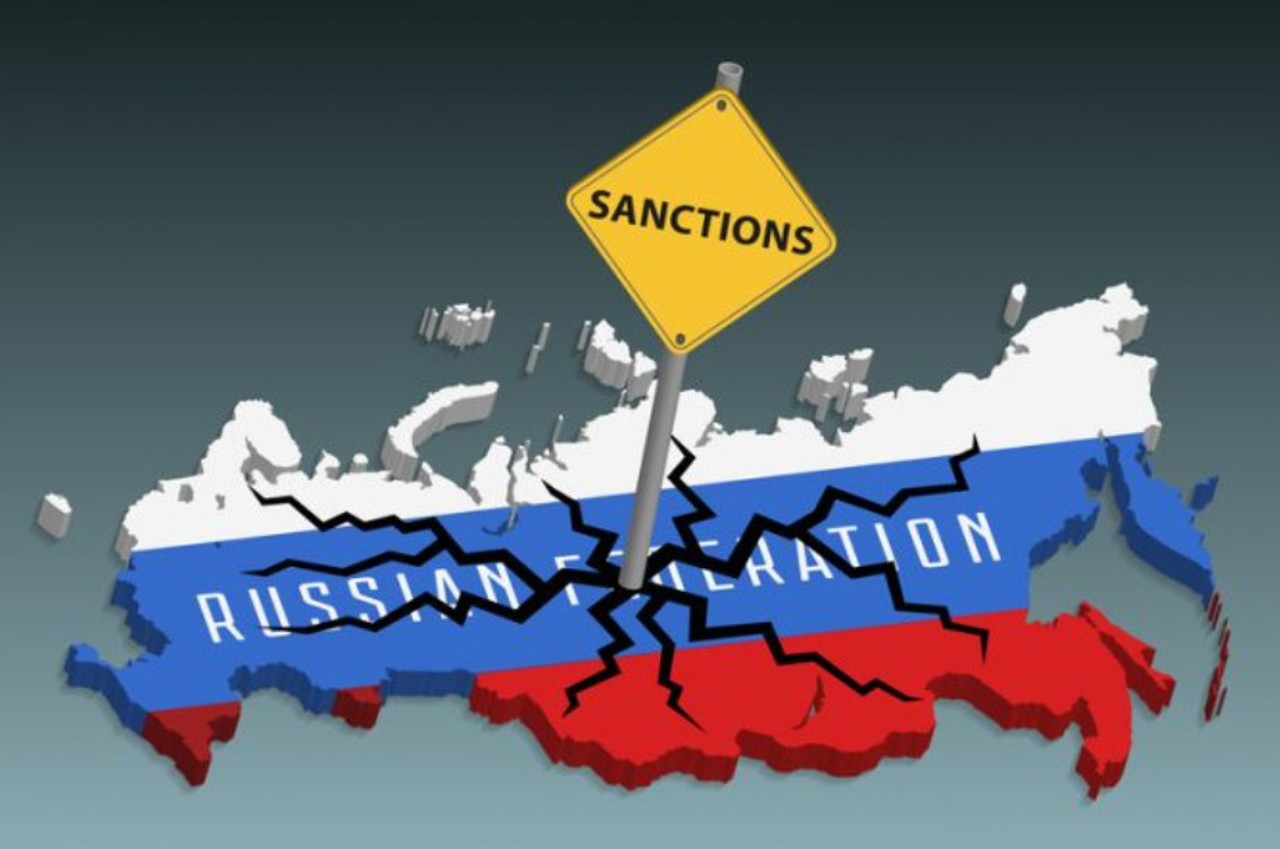
EU ambassadors reached an agreement in Brussels on Thursday morning to impose new sanctions on Russia. These sanctions aim to extend the price caps on Russia's oil exports. After weeks of tense negotiations, the restrictions were revised and adapted in response to Greece's reluctance, which is based on the country's dependence on energy imports from Russia.
“At a time when Ukraine is consolidating its military momentum, our sanctions continue to undermine the economic foundations of Russia’s war effort,” said European Commission President Ursula von der Leyen.
This package of measures contains the largest number of individual sanctions adopted in the last four years. It includes restrictions and bans on transactions targeting 32 Russian banks, as well as new measures against cryptocurrencies and oil trading platforms.
New measures were also agreed against ships in the “ghost fleet”.
The package also includes new trade restrictions designed to further constrain Russia’s military industry. The agreement also allows for a one-year freeze on the current ceiling for the price of Russian oil at $44.10, while a technical deadline risked making it irrelevant given the current volatility in energy markets.
Negotiations have stalled in recent days due to Greece's reluctance to transfer Russian liquefied natural gas to third (non-EU) countries.
Finally, a derogation was granted for contracts concluded before 24 February 2022, the date of Russia's invasion of Ukraine. Any extension of these transfers by EU operators is subject to restrictions. The Council will review this derogation annually.
Opening of clusters 2 and 3 for Ukraine postponed until September
In contrast, during parallel discussions on Wednesday evening, 22 July, Hungary refused to approve the screening results for negotiating clusters 2 and 3 for Ukraine and the Republic of Moldova at a meeting of the EU Council's Enlargement Working Party (COELA). The next attempt is scheduled for 1 September.
During the COELA meeting on 17 July, Hungary refused to start the process of opening negotiating clusters 2 and 3 for Ukraine, but agreed to open cluster 3 for the Republic of Moldova. This proposal, however, failed to gain the support of a majority of EU member states and no decision was adopted.
The sixth negotiating group, External Relations, was opened for Ukraine in Brussels on 14 July. Taras Kacika, then Deputy Prime Minister for European and Euro-Atlantic Integration, had stated that the opening of the other four groups would not be postponed until after the summer.
Hungary had previously blocked the opening of groups 2-6 for Ukraine at a technical level, but later agreed to lift its veto on group 6.
COELA is a preparatory body of the EU Council, consisting of delegates from member states. Chaired by the rotating presidency (currently held by Ireland), it manages the EU enlargement process, negotiates accession frameworks and assesses the progress of candidate countries.