Moldova denies fines for having Colorado potato beetles in gardens
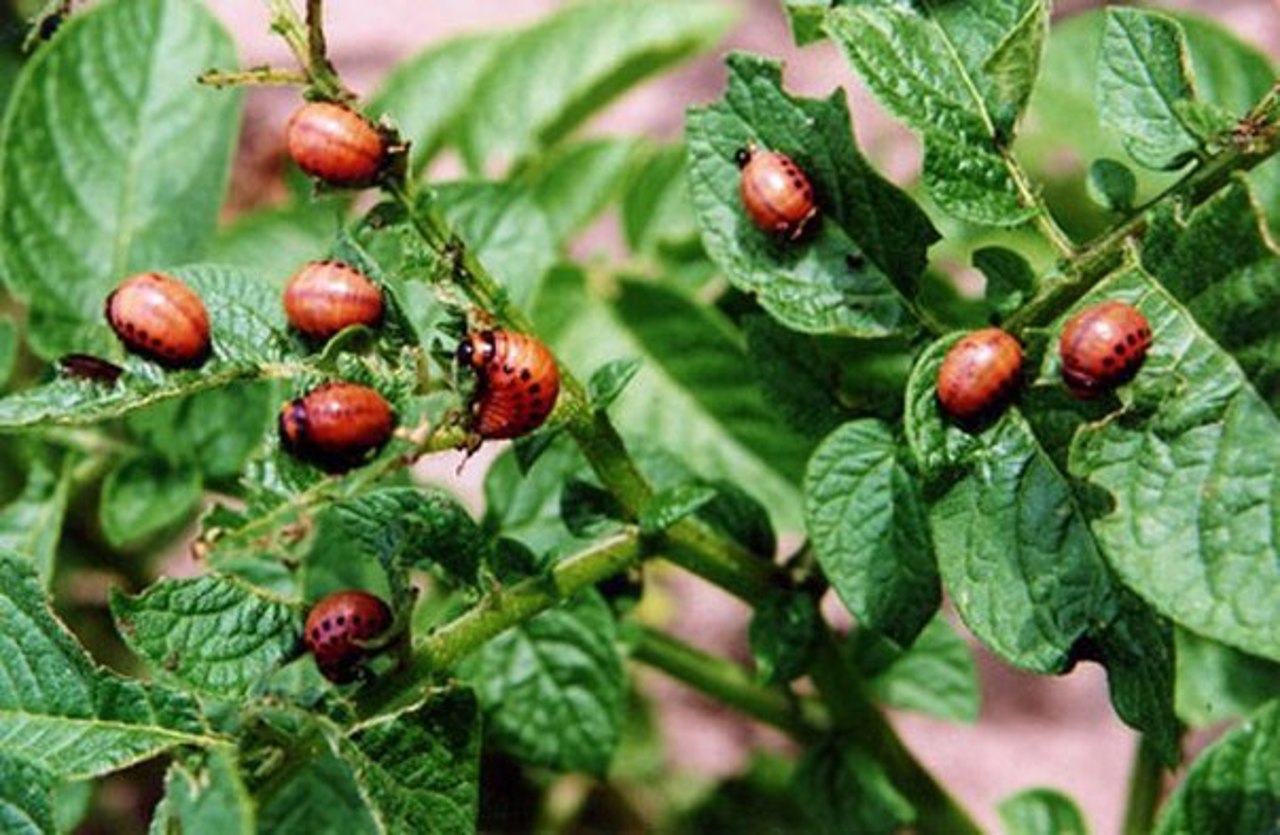
Moldova's Ministry of Environment has denied online claims that citizens face 5,000-lei (about €249) fines for having Colorado potato beetles in their gardens. The ministry called the claims false and urged people to check official sources rather than share them further.
The rumors spread after Parliament passed, in a first reading, a bill on invasive alien species (IAS). The Colorado potato beetle is cited only as an example in the bill's explanatory materials, and the law itself sets no penalty for gardeners who find the pest on their crops, the ministry said.
"This is false. Nobody will be fined for having Colorado potato beetles in their garden," a ministry representative said, adding that people who spread the claim should instead be held accountable for disinformation. The law provides no fines for citizens who find the pest on their own crops, the representative said, urging the public to rely on official sources and stop sharing false information.
Parliament approved the bill's first reading on July 9. It sets rules to prevent and control invasive alien species that threaten biodiversity, agriculture, public health and the economy — plants and animals not native to Moldova's ecosystems that spread quickly and crowd out local species.
The listed species include common ragweed, box elder, tree of heaven, the Colorado potato beetle, the brown rat, ticks and several fish species.
The bill regulates the import, possession, breeding, transport, sale, use and disposal of these species. It also assigns responsibilities to relevant authorities and sets out risk-assessment, monitoring and rapid-response measures for newly detected invasive species.
A national surveillance information system, run by Moldova's Environment Agency, would allow early detection of and rapid response to invasive species. The bill creates two species lists: one covering species of concern to the European Union, the other tailored to risks specific to Moldova.
Listed species could not be imported, cultivated, bred, transported, sold or released into the wild, except for scientific research under strict controls and a permit issued by the Environment Agency.
The bill transposes three EU regulations and forms part of Moldova's national program for European Union accession in the environment and climate change field.
Translation by Iurie Tataru