Moldova's Constitution turns 32 as EU membership enters the text
Moldova marks the 32nd anniversary of its Constitution on July 29. Parliament adopted the charter in 1994, and it took effect on August 27. Two amendments stand out among the changes made since: lawmakers reconfirmed Romanian as the state language in 2023, and a 2024 referendum wrote EU accession into the text as a strategic goal.
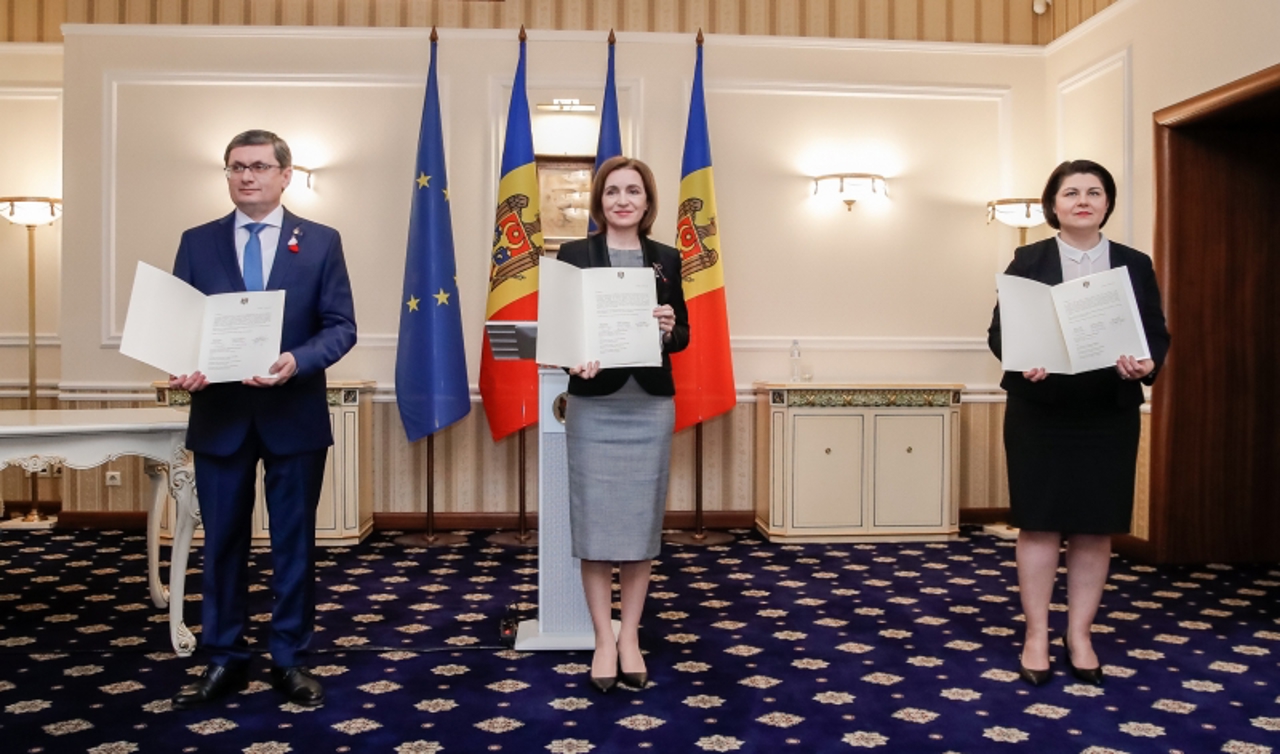
"The Constitution has been, and remains, the foundation of democracy, the rule of law and the functioning of our institutions," Parliament Speaker Igor Grosu said. He credited it with guaranteeing citizens' rights and freedoms, balancing power among state institutions, and setting rules that apply "to all of us, regardless of the office we hold."
The 1994 Constitution established Moldova as a sovereign, independent and neutral state, built on the rule of law, political pluralism, the separation of powers, and adherence to international norms. It originally provided for the direct popular election of the president. Article 13 — long a contested clause — named the state language "Moldovan, written in Latin script."
From parliamentary rule back to a directly elected president
The first major constitutional change came in 2000. Under Law No. 1115 of July 5, 2000, Moldova shifted from a semi-presidential system to a parliamentary one, under which lawmakers — not voters — elected the president, requiring a three-fifths majority in the 101-seat legislature, or 61 votes.
The new model repeatedly broke down. Between 2000 and 2016, several attempts to elect a head of state failed, triggering parliamentary dissolutions and snap elections.
The Constitutional Court reversed course in March 2016, ordering a return to direct presidential elections by universal vote. The court made this substantive change through a judicial ruling rather than a formal amendment to the text — a move that remains contested among some academics, who argue it upset the balance between state institutions.
A separate overhaul, covering the judiciary chapter, took effect on April 1, 2022. It eliminated the five-year probationary period new judges had to serve, transferred the power to appoint Supreme Court of Justice magistrates from Parliament to the Superior Council of Magistracy (CSM), and reshaped the CSM's composition and powers.
Justice for the Romanian language
A separate amendment addressed the name of the official language. Law No. 52 of March 16, 2023, replaced "Moldovan language" with "Romanian language" throughout Moldovan legislation, including in Article 13 of the Constitution.
The change built on a 2013 Constitutional Court ruling (Decision No. 36 of December 5, 2013), which held that where the Constitution's text conflicts with the Declaration of Independence — which names the language "Romanian" — the Declaration prevails.
In 2024, the Constitutional Court kept the name "Romanian language" but restored the phrase "written in Latin script," ruling that Parliament had overstepped its authority when it had declared that wording obsolete.
A European commitment, now constitutional law
The most recent major revision followed a nationwide constitutional referendum on October 20, 2024, held alongside the presidential election. Asked "Do you support amending the Constitution to enable Moldova's accession to the European Union?," 50.35% of voters said "Yes."
The Constitutional Court validated the results on October 31, 2024, and the new provisions took effect once published in the Official Gazette.
As a result, Moldova's constitutional preamble now includes two new paragraphs affirming "the European identity of the people of the Republic of Moldova" and "the irreversibility of the European path," and declaring EU integration a "strategic objective." Lawmakers also added a new title governing accession to the EU's founding treaties and establishing the priority of EU law over conflicting domestic provisions.
The Declaration of Independence, the document's ground zero
The changes made to the Constitution over the years have not destabilized the system, and Moldova remains a democratic state, Alexandru Tănase, a former president of the Constitutional Court and former justice minister, told Teleradio-Moldova.
"The main thing this Constitution has guaranteed across three decades of Moldovan statehood is the peaceful transfer of power," Tănase said. "We have never had a totalitarian government, or a situation where someone seized power in violation of the Constitution. Every five years, the people have used elections to reset the system — and that is the core element of any democratic system."
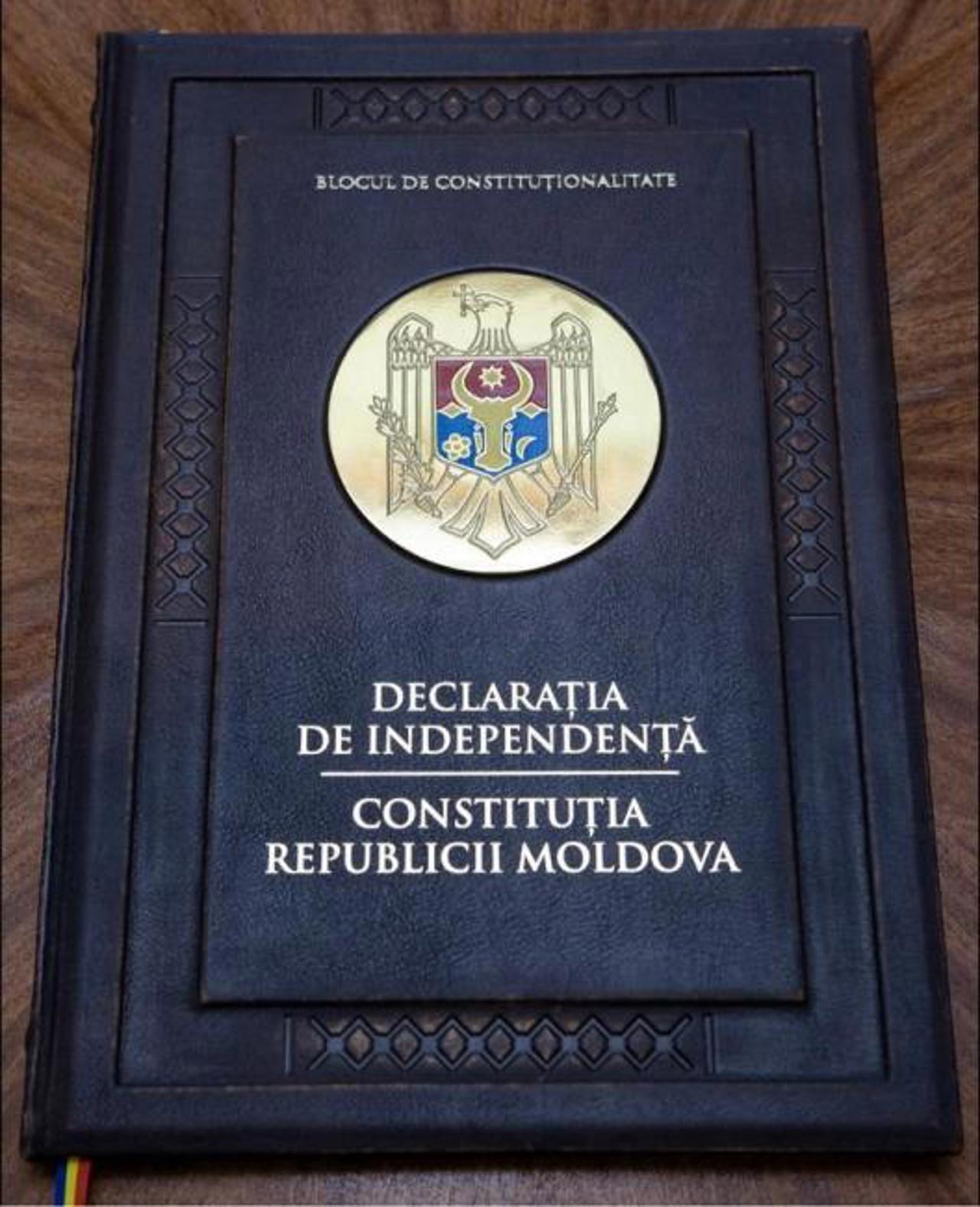
Tănase also stressed that the founding document's true starting point was the Declaration of Independence, adopted on August 27, 1991. Its values form part of the "bloc of constitutionality" — a body of texts that carries constitutional weight alongside the Constitution itself — and defines the value system within which the state operates.
Together, he said, the Declaration of Independence and the Constitution serve as Moldova's "birth certificate": the record of a state that broke from its former imperial ruler and chose an independent path within the family of European nations.
The 1994 Constitution replaced the country's Soviet-era founding document, the 1978 Constitution, which had itself been amended following the declarations of sovereignty in 1990 and independence in 1991.