Moldova approves €150M EIB agrifood modernization deal
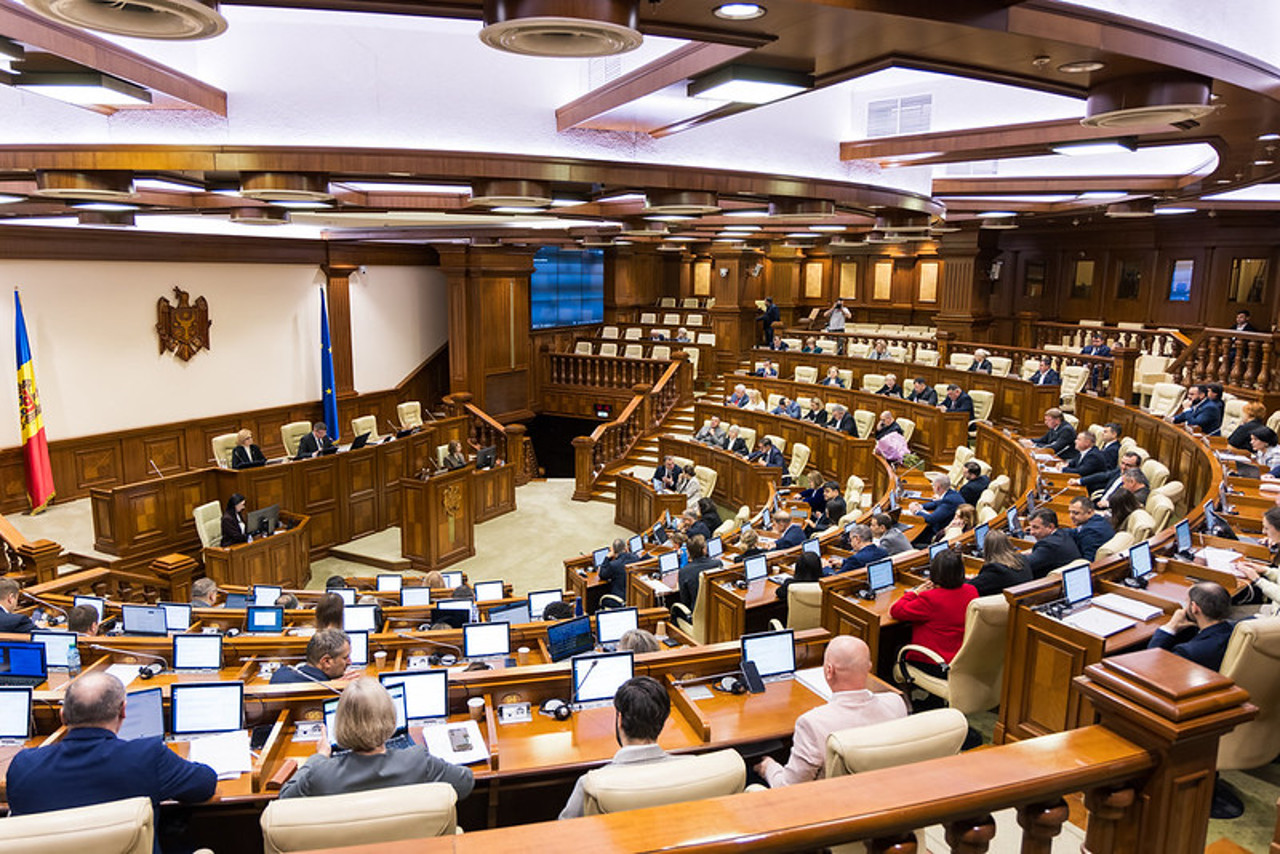
Moldova’s Parliament has ratified a €150 million (approx. 2.94 billion MDL) preferential loan agreement with the European Investment Bank (EIB) to modernize the nation's agrifood sector under the "Livada Moldovei 2" project.
The agreement, signed on July 29 and passed through two parliamentary readings on July 30 with 79 supporting votes, aims to strengthen rural infrastructure and support small businesses.
According to Sergiu Gherciu, Secretary General of the Ministry of Agriculture and Food Industry, the facility will be disbursed in up to 24 tranches of at least €3 million each.
Flexible funding and repayment terms
This staged structure allows Moldova to draw funds as needed, preventing unnecessary debt accumulation. The drawing period extends 60 months through 2031, with full repayment scheduled for 2043 following a 12-year grace period.
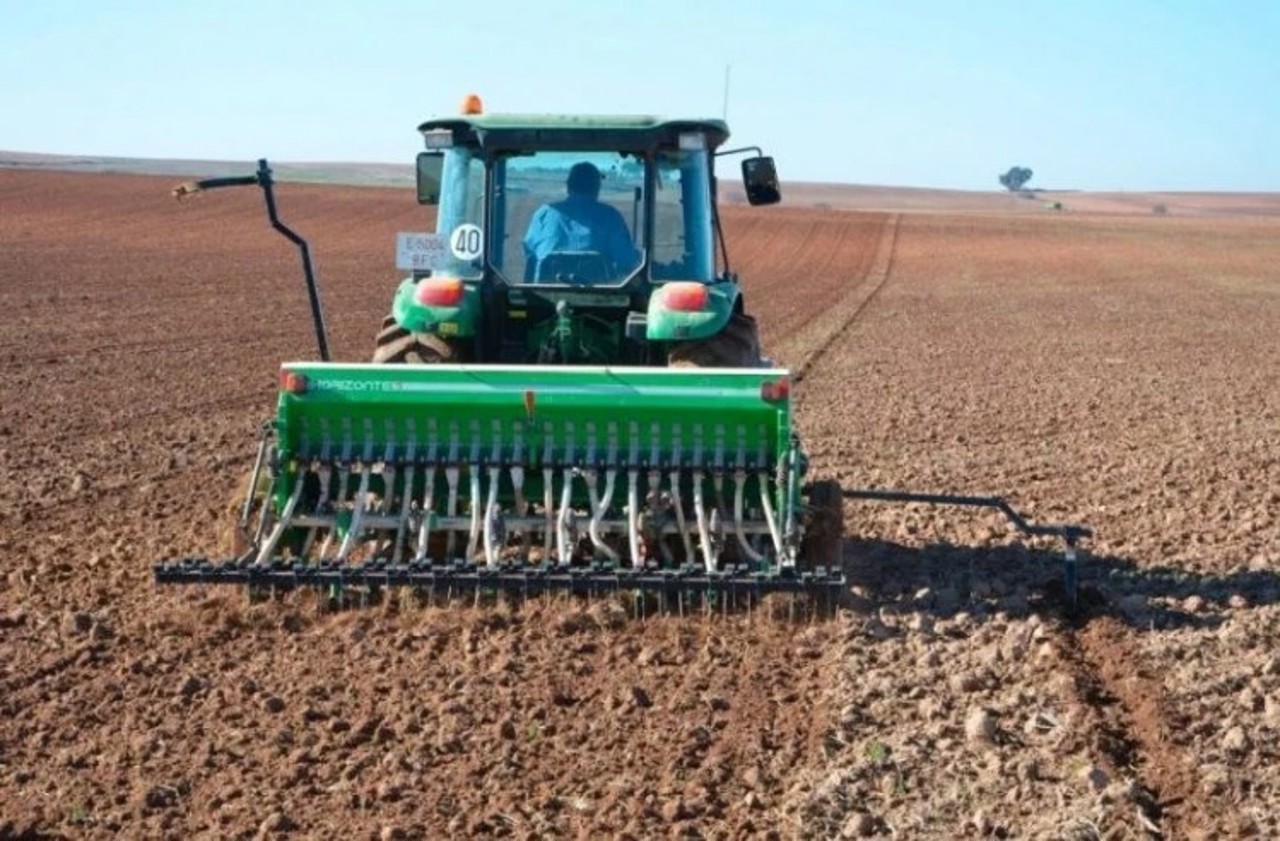
The funds will target micro, small, and medium-sized enterprises across horticulture, viticulture, livestock, grain farming, aquaculture, processing, and farm digitalization, as well as public investments in research and educational infrastructure.
Government officials expect the concessional financing to leverage equal matching investments from private beneficiaries, driving total sector investment past €300 million.
Financial terms and green commitments
The EIB loan carries a variable rate based on EURIBOR (currently around 2.5%) plus a 0.2% margin. Local commercial banks will intermediate the credit line, capping effective annual interest rates at 8–9% for Moldovan lei loans.
To amplify its long-term reach, the project will operate via a revolving mechanism, allowing repaid funds to be re-loaned during the implementation period.
Additionally, a contractual clause mandates that 25% of all funds support climate action and sustainability. Key targets include efficient irrigation systems, farm-level renewable energy, and livestock waste management.
Opposition voices debt and margin concerns
Despite broad legislative support, opposition MP Sergiu Ștefanco highlighted high existing debt levels among farmers. He raised concerns that credit could favor established corporate subsidy recipients over struggling smallholders.
Ștefanco urged strict eligibility criteria, warning against excessive intermediary bank margins between the ~2.7% borrowing cost and the 8–9% end-user rate.
Ministry officials underscored that beyond immediate agricultural growth, the initiative strengthens rural communities and directly aligns with Moldova’s broader strategic goal of EU accession.
Translation by Iurie Tataru