Farmers call for urgent aid to agriculture; State Secretary: "We will review the requests"
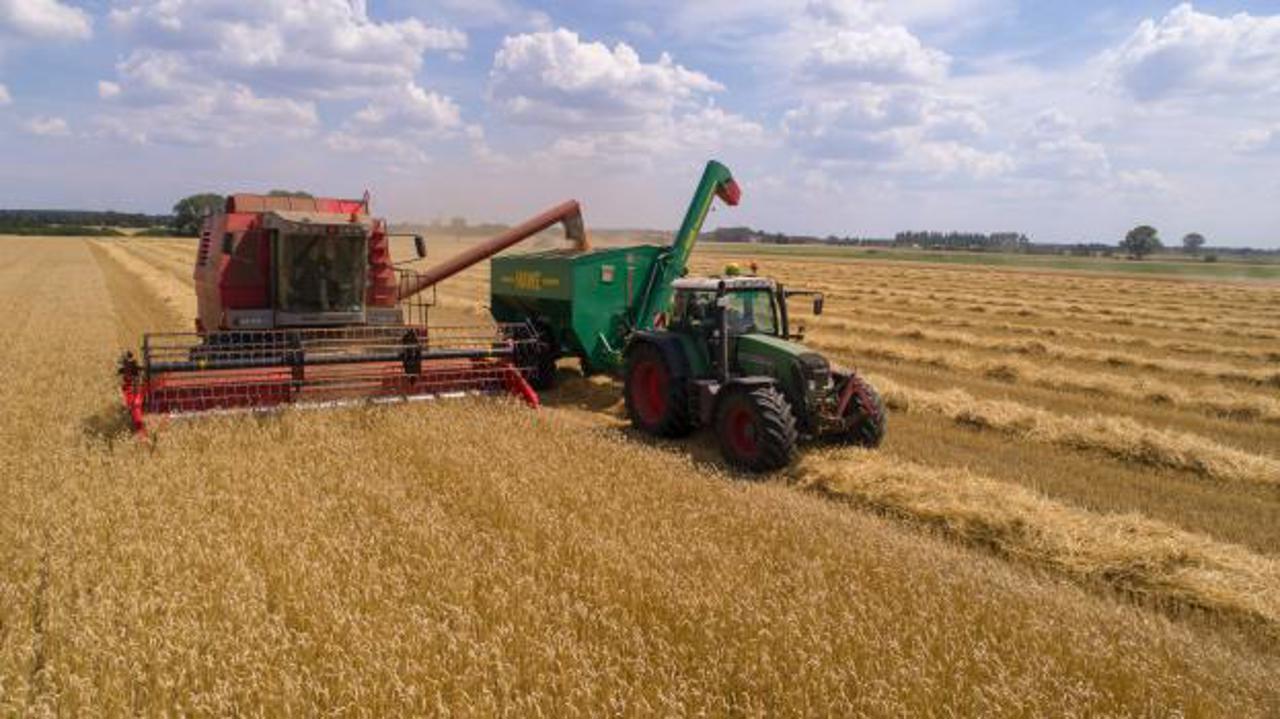
Farmers in several districts are warning that the cereal and oilseed sectors are experiencing a severe crisis that "has worsened considerably in the last five months." They are calling on the government to intervene urgently to stabilize the situation. In contrast, the authorities view some of the farmers' demands as "populist," but they also state that they "will take into account the farmers' wishes."
The Council of the Forța Fermierilor Association, along with farmers from several districts, convened on July 30 to address serious concerns about the agricultural sector. They expressed that rising diesel and fertilizer prices, along with falling purchase prices and the absence of subsidies, are jeopardizing the operations of farmers, particularly those who are micro, small, and medium-sized.
"Diesel prices have surged by about 70%, and farmers are facing a significant fuel shortage, which threatens the success of summer-autumn agricultural work. Similarly, fertilizer costs have risen by 35-40%," stated the Forța Fermierilor.
According to the organization's report, despite fluctuations in stock market prices, wheat purchase prices remained unchanged in July and even decreased in the last week.
"Currently, the domestic market price of wheat is 1.5 lei lower than the price at the port of Constanța. Consequently, the yields are not providing farmers with even minimal profitability," highlighted the representatives of Forța Fermierilor.
They also cautioned that an additional reduction in cereal prices from Ukraine could further harm local producers. Furthermore, the association pointed out that farmers in the vegetable sector have not received any subsidies this year, and the payments for 2025 remain unpaid.
In light of these issues, Forța Fermierilor is urging authorities to take several actions: maintain the current VAT rate for agricultural production, reintroduce licensing for grain and oilseed imports, ensure adequate diesel stocks for the summer-autumn agricultural campaign, convene the Product Council to analyze grain price formation, seek intervention from the Competition Council regarding potential collusion in the wheat purchase market, refund the excise duty on diesel used by micro, small, and medium-sized farmers, and expedite the payment of subsidy arrears for 2025.
The Republic of Moldova has sufficient wheat for its domestic consumption.
The Ministry of Finance is currently consulting with the business community, including agricultural associations, to discuss maintaining the VAT rate. Vasile Șarban, the State Secretary of the Ministry of Agriculture and Food Industry (MAIA), stated, "It is clear that we will take into account the wishes of farmers, but they must support their requests with solid arguments."
Regarding the call for the reintroduction of import licensing, Șarban noted that while this mechanism has been used in the past, its effectiveness is questionable. "I view this proposal as somewhat populist; however, if there is sufficient insistence, we will analyze it as a possibility," he said.
He also mentioned that previous requests for licensing concerned products not produced in the Republic of Moldova and expressed concern about Ukrainian wheat at the port of Constanta being directed toward the Moldovan market.
"The consumption needs of the Republic of Moldova are approximately 350,000 to 380,000 tons, along with an additional 66,000 tons for seed and about 180,000 tons for the livestock sector. Our needs are not extensive, and we already have enough wheat available within the country," emphasized the State Secretary from the Ministry of Agriculture and Rural Development.
Nonetheless, he assured that all farmers' claims will be carefully examined. "Once the official requests reach the ministry, we will evaluate them. We will prepare the necessary calculations regarding production, exports, and the risks associated with the transit or import of cereals. Then, we will convene to discuss all these aspects," concluded Vasile Șarban.