Over 102 million card payments in three months: Economist says the “Revolution” began with travel abroad
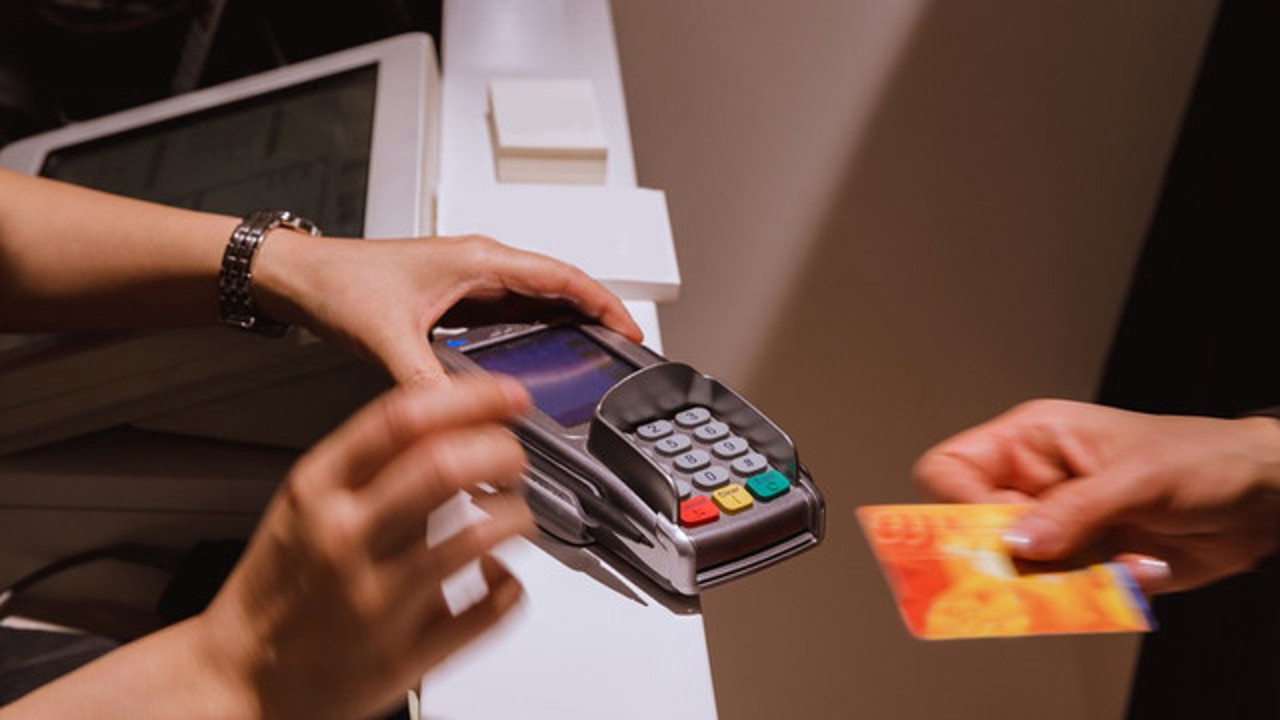
Moldovans conducted over 102 million card transactions in the second quarter of 2026, highlighting the growth of cashless payments in the national economy. This rate was approximately 13 transactions per second.
According to data from the National Bank of Moldova (BNM), the total value of non-cash transactions in the second quarter reached approximately 36 billion lei. Of this amount, 30.9 billion lei were transactions made with cards issued by licensed banks in the Republic of Moldova, with an average transaction value of 336 lei.
Additionally, holders of cards issued abroad conducted transactions worth 5.02 billion lei, with an average transaction value of 485 lei.
In total, nearly 72 million transactions occurred using physical cards. Furthermore, 10.8 million transactions were made on e-commerce platforms, which is a decrease of about 400,000 compared to the first quarter of the year. Additionally, there were 8.5 million remote electronic payments.
Between April and June, cardholders made eight million cash withdrawals, which is about 900,000 more than the number recorded between January and March. However, these figures are nearly identical to those recorded during the same period in 2022.
Economist Veaceslav Ioniță shared insights with Teleradio-Moldova, noting that before 2015, Moldovans rarely utilized electronic payments; instead, they typically withdrew their salaries in cash from ATMs. He attributed the emergence of a cashless payment culture largely to increased opportunities for travel abroad.
Ioniță explained, “The shift toward cashless payments began when people had the chance to travel more frequently. They discovered how convenient it was to pay with a card without needing to exchange currency.”
He identified three key factors that have reinforced this trend, leading to a doubling of transaction volumes every two years:
- The expansion of the POS terminal network, which has encouraged in-store payments.
- The development of modern and user-friendly mobile banking applications, making it easier to pay bills, access banking services, and pay taxes.
- The growth of online commerce abroad, which has become more convenient, cost-effective, and varied compared to the e-commerce market in the Republic of Moldova.
“Moldovans realized that shopping with a card is much more convenient than using cash,” Ioniță concluded.
However, he cautioned that the online commerce market in the Republic of Moldova remains underdeveloped. He pointed out that the infrastructure is insufficient and that delivery and payment systems are not well established, leading many consumers to hesitate when purchasing from local retailers.