BNM transfers €46 million to Moldova’s state budget
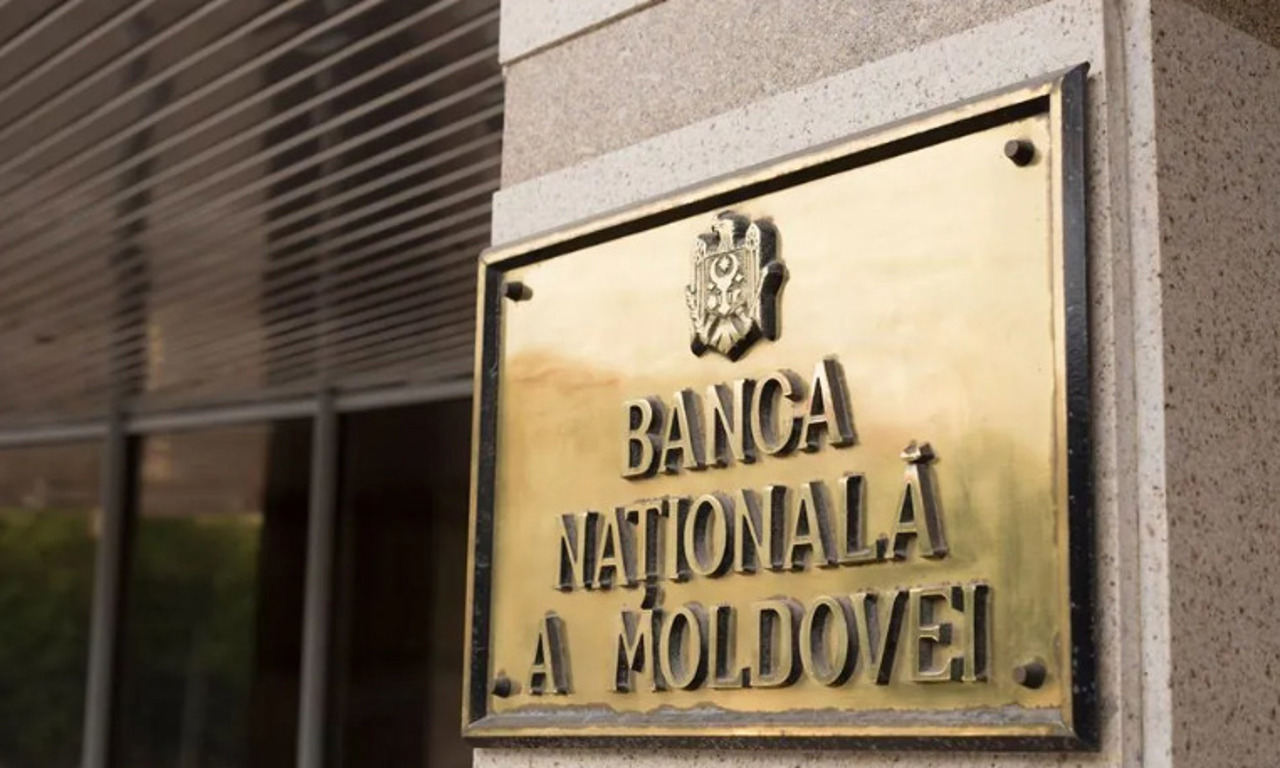
The National Bank of Moldova (BNM) has transferred €46.4 million (approx. MDL 910.41 million) to the state budget following the completion of its 2025 financial year. The amount represents half of the bank’s profit available for distribution, while the other half has been allocated to increase its statutory capital.
Under current legislation, when the BNM’s statutory capital accounts for between 4% and 10% of its monetary liabilities, the distributable profit is split equally. At the end of 2025, the ratio stood at 6.93%, triggering the 50-50 allocation.
Following the completion of the 2025 financial year and an independent audit of its financial statements, the BNM’s distributable profit totalled EUR 92.9 million. Half was transferred to the state budget, while the other half was allocated to increase the bank’s statutory capital.
The BNM said that making a profit is not an objective in itself for a central bank. Its fundamental mandate is to ensure and maintain price stability, protecting purchasing power and household savings while contributing to the predictable functioning of the economy.
“The financial result for 2025 simultaneously supported public finances and strengthened the BNM’s capacity to fulfil its mandate of maintaining monetary and financial stability,” the central bank said in a press release.
BNM Governor Anca Dragu said that “a strong central bank fulfils its mandate effectively and acts responsibly, transparently and in accordance with the law, in the interests of citizens and Moldova’s economy.”
In its latest decision, adopted on August 6, the BNM raised its base rate by 0.5 percentage points to 7.5%, continuing its restrictive monetary policy stance to contain inflationary pressures and bring inflation back to its 5% target.
The overnight lending rate was set at 9.5% annually, while the repo rate was set at 7.75% and the overnight deposit rate at 5.5%.
The required reserve ratios remained unchanged at 18% for funds raised in Moldovan lei and non-convertible currencies and 26% for funds raised in freely convertible currencies.
In the second quarter of 2026, annual inflation stood at 6.68%. The BNM warned that inflation remains exposed to several external and domestic risks, including escalating geopolitical conflicts, volatile oil and gas prices, extreme weather conditions, the war in Ukraine, uncertainty over agricultural output, potential adjustments to regulated tariffs and the effects of new fiscal policies.
Translation by Iurie Tataru