Moldova Supreme Court reaches quorum as temporary shifts end
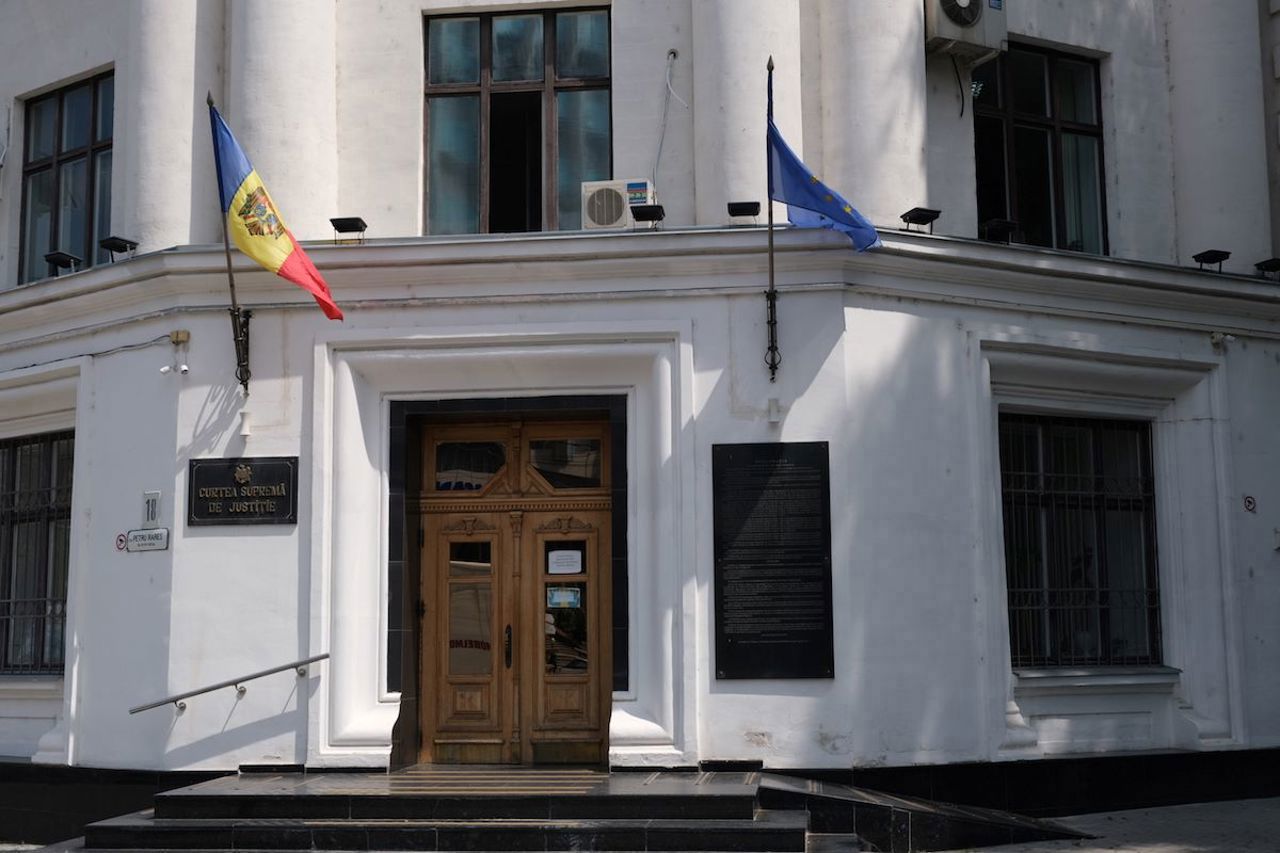
The Supreme Court of Justice (CSJ) of Moldova has reached its minimum operational quorum after expanding its bench to 12 judges out of the 20 required by law. Following the presidential appointment of five new magistrates on July 3, 2026, the Superior Council of Magistracy (SCM) formally ended its reliance on emergency temporary transfers.
Despite passing the functional threshold of 11 judges, the country's highest judicial body continues to operate at just 60% of its full legal capacity.
End of emergency secondments
The appointment of judges Elena Croitor, Ana Cucerescu, Alexandru Negru, Sergiu Stratan, and Gheorghe Stratulat allowed the SCM to terminate the temporary secondments of magistrates Oxana Parfeni and Ion Malanciuc. Both have returned to their respective original courts.
The temporary transfer mechanism was introduced as a stopgap solution to keep the high court functioning following a wave of resignations triggered by the extraordinary external vetting process.
Originally, seven judges were temporarily assigned to the CSJ, with that number gradually decreasing as permanent appointments were finalized.
Current composition and vacancies
Under Moldovan law, the Supreme Court must consist of 20 judges:13 career judges drawn from lower courts; 7 non-judge legal professionals, including lawyers, prosecutors, and law professors.
The court currently comprises eight career judges and four external specialists across its 12 filled seats.
Consequently, eight positions remain vacant, including five designated for career judges and three for external legal experts.
Persisting recruitment bottlenecks
Recruitment remains severely delayed despite the SCM launching eight separate selection procedures between 2025 and July 2026, according to an analysis by the Legal Resources Centre from Moldova (LRCM).
Experts emphasize that the slow pace stems from a shortage of qualified applicants rather than a lack of competitions. The length and rigor of the external vetting process, alongside potential reputational risks, continue to deter potential candidates.
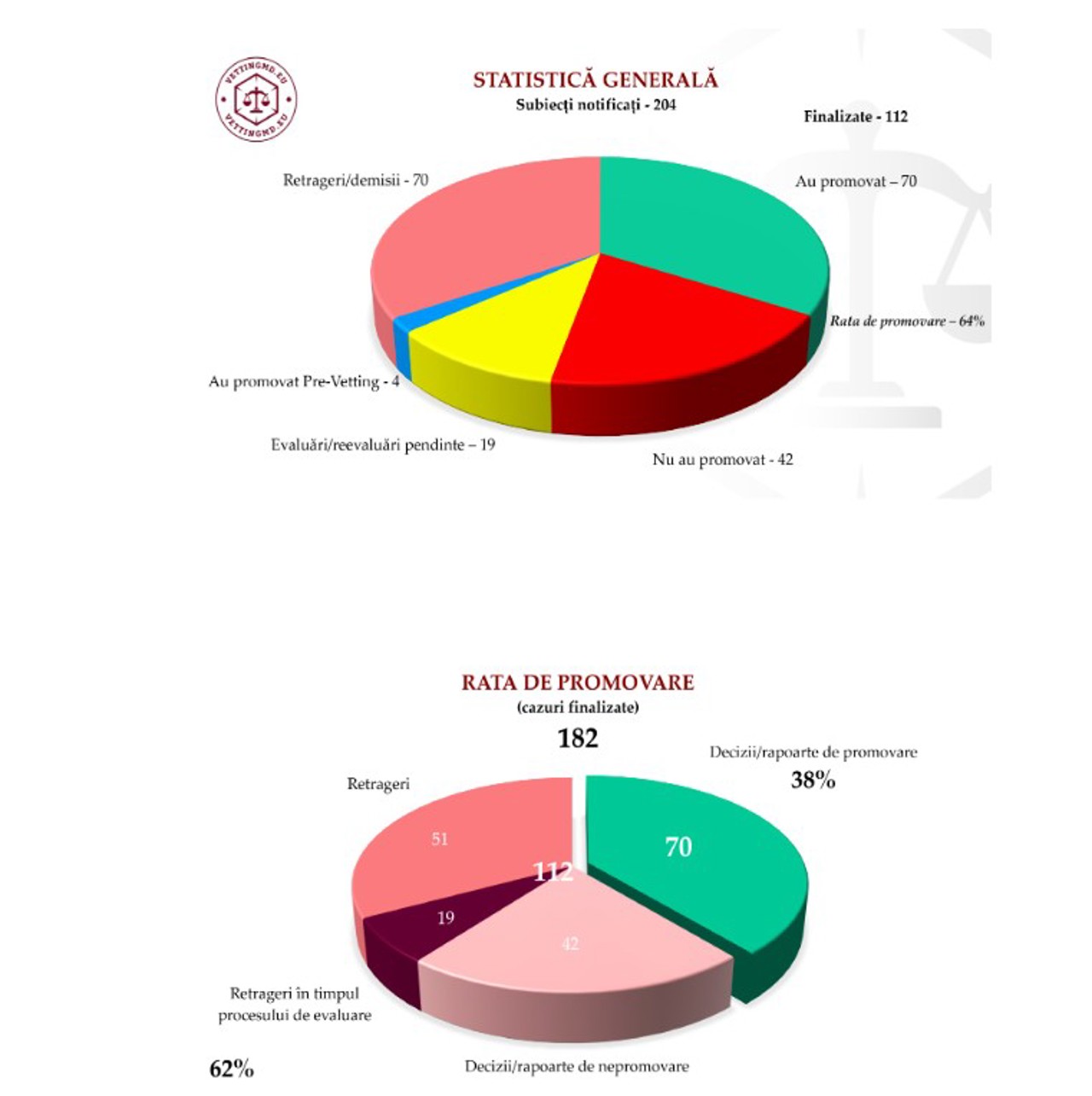
To date, the Judicial Vetting Commission has notified 204 subjects and completed evaluations for 182 magistrates. Only 70 candidates—representing 38%—passed without integrity issues, while 42 failed and the remainder withdrew from the bench.
Translation by Iurie Tataru