August 2026 total solar eclipse: Where to watch in Europe
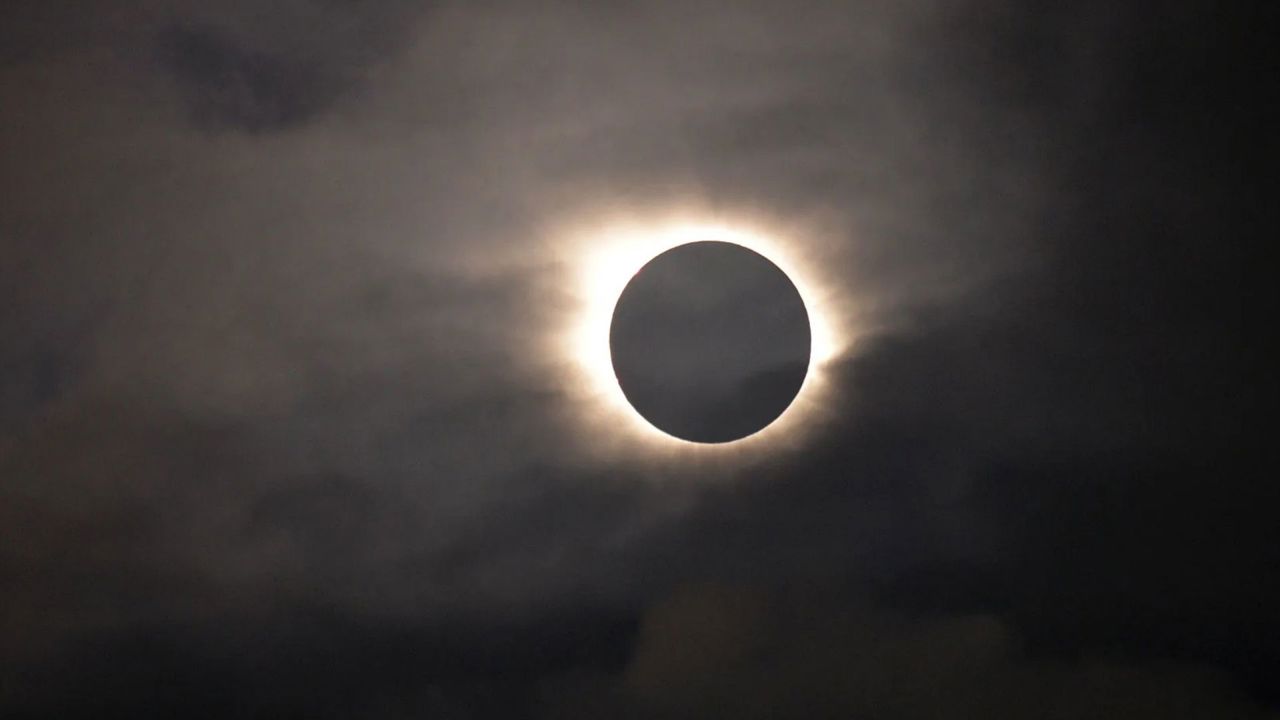
The total solar eclipse on August 12, 2026, promises to be one of the decade's most extraordinary astronomical events. A narrow path of totality will sweep across Europe, plunging parts of Greenland, Iceland, Spain, and Portugal into daytime darkness.
While Western Europe prepares for a prime viewing experience, the phenomenon will diminish further east. Experts confirm that the eclipse will remain entirely invisible from eastern Romania and the Republic of Moldova.
Best viewing locations across Europe
Reykjavik will be among the premier European capitals to witness totality, with complete darkness lasting approximately two minutes and 13 seconds. The absolute peak duration of two minutes and 18 seconds will occur over the Atlantic Ocean, roughly 45 kilometers off the Icelandic coast.
Spain stands out as a prime destination, as the totality path crosses northern cities including Bilbao, Santander, Oviedo, León, and Burgos. Farther south, Palma de Mallorca and Ibiza will experience totality near sunset, while Madrid falls just outside the path with a 99% partial eclipse.
In Western Romania, observers will witness only a partial eclipse, peaking at 38% solar coverage in Oradea, 32% in Satu Mare, and 28% in Timișoara. Regions further east, including Bucharest, will miss the event entirely.
Scientific research and safety guidelines
Astronomers and space agencies are capitalizing on the event for high-level atmospheric research. NASA will deploy a WB-57 research aircraft over the Atlantic to study the solar corona, while the European Space Agency and university teams deploy high-altitude balloons across Iceland and Spain.
Safety remains paramount for observers across all regions. Experts stress that looking directly at the Sun without certified eclipse glasses or specialized solar filters can cause permanent eye damage, even during a partial phase.
Perseids meteor shower to double astronomical spectacle
Stargazers in August 2026 will enjoy a rare double feature as the annual Perseid meteor shower reaches its peak alongside the eclipse. Active from July 17 to August 26, the shower will hit its maximum intensity around 06:00 UTC on August 13.
Ideal viewing conditions on the nights of August 12–13 and 13–14 could yield up to 100 meteors per hour in dark, rural areas. Minimal moonlight during the 2026 peak will offer an unusually clear backdrop for viewing the shower with the naked eye.
Translation by Iurie Tataru