New fiscal policy draft was submitted to the IMF, Finance Minister seeks additional budget sources
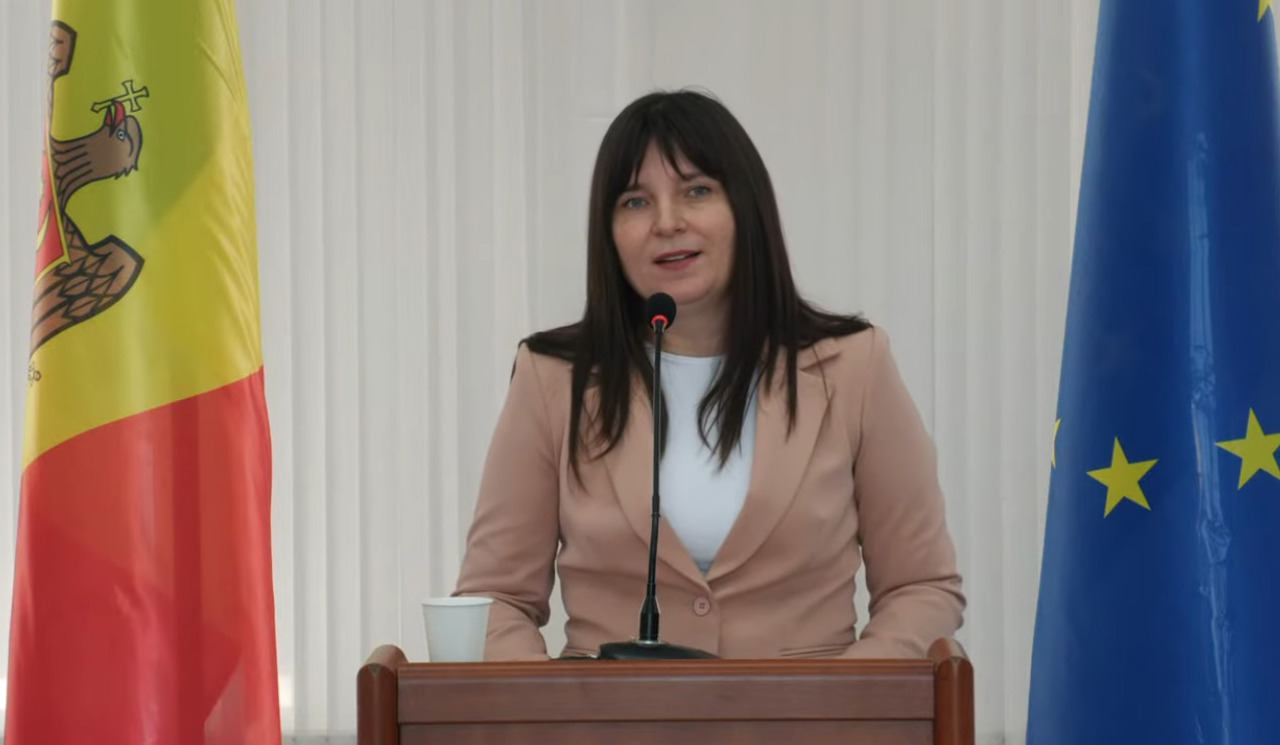
The draft of the new fiscal policy for 2027 was submitted to the International Monetary Fund (IMF) for review. Authorities are currently awaiting proposals from the business sector and civil society, which are due by August 21. Meanwhile, Minister Victoria Belous announces that the Ministry of Finance is seeking new sources of budget revenue to support the upcoming Wage Law.

On August 12, Victoria Belous announced before a government meeting, "We sent the draft law to the IMF and are awaiting your opinion. However, the draft is open for public consultation, and we invite all interested parties to submit proposals and objections by August 21. Our goal is to create a fiscal policy that benefits everyone."
The minister noted that development partners are providing consultancy during the development of the fiscal policy, but emphasized that the final decision rests with the Republic of Moldova and its Parliament.
Regarding budget revenues, Belous dismissed claims that they are "weak." She acknowledged that while some revenue chapters are below forecast levels, these shortfalls are offset by increases in other areas.
"I want to clarify the characterization of revenues as weak. This description is not entirely accurate. While some budget chapters are falling short of predictions, there are increases in others," the minister explained.
Rationale behind the proposed increase in VAT for cereals
Belous addressed the plan to raise the VAT rate for cereals from 8% to 12%, a change that has faced criticism from farmers. She stated that this adjustment is intended to reduce the disparity between the taxation of raw materials and that applied to processed products.
Currently, cereals as a raw material are taxed at a rate of 8%, while flour, the processed product, is taxed at 20%. "Cereals are taxed at 8%, but flour enters the market with a 20% rate. This creates a discrepancy in the trading process from raw material to final product," Belous explained.
The minister asserted that by increasing the VAT on grains, the government aims to balance the trading chain and minimize the difference between the sale of raw materials and the availability of processed products to consumers. "We are attempting to create a more balanced trading chain, reducing the gap between when the raw material is sold and when the final product is available to citizens," Belous stated.
She acknowledged that this tax increase is unpopular, yet believes that a rise of four percentage points will have a minimal impact on farmers, especially considering the amount of VAT they already have in their portfolios.
Simultaneously, the Ministry of Finance suggested that representatives from the agricultural sector explore the option of a reverse charge mechanism. Belous noted that opinions vary within the business community regarding this change, and discussions are ongoing. "I explained the potential benefits to them, and they agreed to consider it further. It’s a natural part of promoting fiscal policy," she added.
Commitment to the payroll law
Belous also reassured that the authorities are dedicated to fulfilling their obligations under the Payroll Law and the new fiscal policy. "We are working within the context of the Payroll Law, but this will depend on the fiscal policy we propose for approval. Our aim is to identify additional budget sources to meet our commitments," she said.
She highlighted that the State Tax Service and the Customs Service are responsible for ensuring the estimated budget collection plan is met. The minister underscored that citizens and entrepreneurs are the main contributors to the budget, while fiscal and customs institutions' role is to manage the collection process.
At the beginning of August, the Government unveiled its new tax policy. This proposal includes raising the personal exemption from 29,700 to 40,000 lei, expanding tax exemptions for reinvested profits, increasing excise duties and taxes on certain products and activities (such as tobacco, gambling, and sugar products), and adjusting VAT rates for specific products and services.
The proposed plan maintains the reduced VAT rate of 8% for essential products, while suggesting a 12% VAT for other food items and sectors such as agriculture, HoReCa (hotel, restaurant, and catering), accommodation, and tourism.
Changes to VAT rates for electricity and natural gas are also included and would take effect after the cold season, starting April 1, 2027.
The tax reform is currently undergoing consultations with economic agents, civil society, trade unions, and employers' associations.