Tax regime for entrepreneurs from the left bank of the Nistru will be applied in three stages
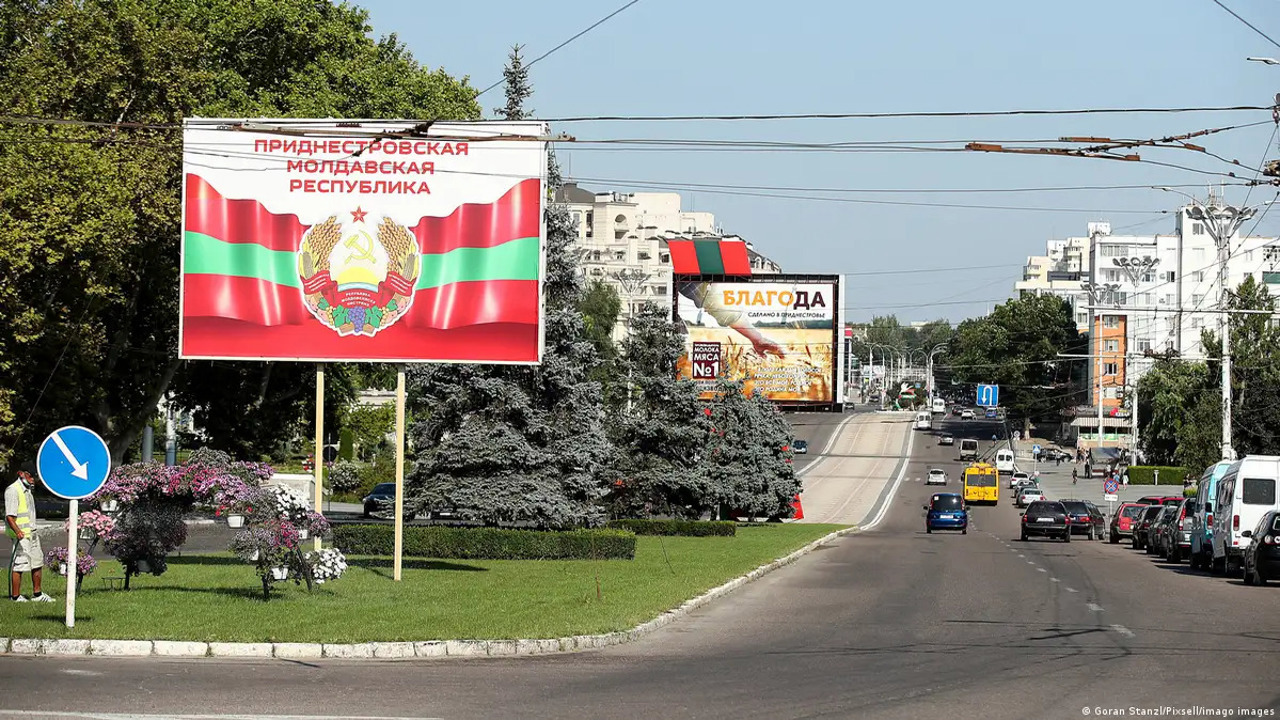
Entrepreneurs in the Transnistrian region will gradually transition to the general tax regime, according to a draft published by the Ministry of Finance. The implementation will occur in three stages: September 1, 2026; January 1, 2027; and April 1, 2027. The process will initially focus on taxing alcohol, tobacco, vehicles, and computer technology, and will later expand to include metals, fuels, gas, and electricity.
Goods subject to taxation starting September 1
The Ministry of Finance has announced that the first phase of the new tax regime will take effect on September 1 of this year. This phase includes excise products and other goods that are not considered essential for the population.
Starting on this date, Value Added Tax (VAT) and excise duties will be applied to the following items: caviar and its substitutes, alcoholic beverages, including wine, tobacco products and nicotine products intended for inhalation without combustion, perfumes and toilet waters, fireworks, furs and fur products, pearls, precious, and semi-precious stones, jewelry and other items made of precious metals
Additionally, this phase will include transportation means, telephones, other data transmission devices, computers, and computing equipment.
Metals and petroleum products, in the list from January 1, 2027
The second stage is set for January 1, 2027. Then, the VAT and excise duty regime will be extended to new categories of goods. These include mineral waters and carbonated waters, as well as other non-alcoholic beverages containing sugar, sweeteners or flavors.
Ores and their concentrates, slag and ash, base metals and articles of base metals, as well as kaolin and other types of clay will also be included.
Also, from January 1, 2027, VAT and excise duties apply to petroleum products, oils, and other goods in tariff category 2710.
According to the information note, the application of these measures at a later stage is part of a gradual approach to uniformity in the tax regime. The Ministry of Finance notes that, for some categories of goods, the economic impact is more significant, which is why they are not included in the first stage.
Natural gas and electricity changes effective April 1, 2027
Starting on April 1, 2027, the final stage of the project will be implemented, which means that VAT and excise duties will also be applied to natural gas and electricity.
The Ministry of Finance has clarified in its information note that the regulations for these two categories were established in accordance with Law No. 67/2026, which pertains to the establishment of the Convergence Fund and the amendment of certain normative acts.
Additionally, the document specifies that certain operations involving energy resources will continue to receive special treatment. This specifically applies to the delivery of natural gas from SA "Moldovag" to SRL "Tiraspoltransgaz," as well as the balancing electricity supplied to economic agents that do not maintain fiscal relations with the budgetary system of the Republic of Moldova.
According to the authors of the project, this temporary continuation of special treatment is intended to ensure the consistency of existing supply mechanisms and to avoid disruptions in contractual relationships and the functioning of energy systems.
General tax regime applied until 2030
According to the information note, this project is the first step towards standardizing the tax regime for goods imported by economic operators in the Transnistrian region.
The objective is to gradually extend VAT and, where applicable, excise duties to all categories of goods imported by these operators.
The Ministry of Finance emphasizes the need to eliminate outdated tax regimes that no longer align with current fiscal policy objectives. This approach aims to uniformly apply fiscal legislation throughout the Republic of Moldova, thereby consolidating fiscal discipline and increasing budget revenues.
The document outlines a final goal: by 2030, all goods imported by economic operators in the Transnistrian region will be subject to the general tax regime outlined in the legislation of the Republic of Moldova, under conditions equivalent to those imposed on economic agents in the rest of the country.
The authors believe that standardizing this tax regime will help eliminate competitive distortions, increase budget revenues, reduce the risks of tax evasion and smuggling, and promote the progressive integration of the Transnistrian region into the unified economic, fiscal, and customs space of the Republic of Moldova.
The project has been submitted to the Government for approval.
The new tax measures for economic agents in the Transnistrian region were set to take effect on August 1st. However, the Deputy Prime Minister for Reintegration, Valeriu Chiveri, indicated that their implementation was postponed due to changes in the government and an extension of public consultations regarding tax amendments.
Chiveri noted that the authorities in Chișinău initially planned to discuss these measures with Tiraspol. The gradual inclusion of various goods on the list subject to the new regulations could have opened avenues for negotiations on other issues in the reintegration process. Unfortunately, this did not happen, as the so-called Supreme Soviet in Tiraspol requested Chișinău to abandon the proposed measures.
It’s important to recall that the government announced the creation of the Convergence Fund on February 26th during a meeting in Tiraspol between political representatives from Chișinău and Tiraspol, mediated by the OSCE Mission.
This fund is intended to stimulate the reintegration of the Transnistrian region by financing social and infrastructure projects. Funding will include taxes collected from economic agents operating on the left bank of the Nistru, with the revenue directed towards projects benefiting local communities.
According to the authorities, the Convergence Fund will not be used to exert pressure in negotiations with Tiraspol. Instead, it will support a gradual process of economic reintegration. The projects will be implemented through local authorities and companies registered on the right bank of the Nistru, without direct involvement from Tiraspol's structures.
Initially, the fund was expected to accumulate approximately 300 million lei by the end of the year, with the possibility of increasing this amount to 4 billion lei by 2030.
On April 30, the Parliament adopted legislative amendments, in final reading, to gradually eliminate tax incentives for economic agents from the Transnistrian region and to introduce taxes on goods imported by them. Additionally, the establishment of the Convergence Fund for Reintegration was outlined on the same day.