"Petru Rareș" Lyceum in Soroca will be renovated, with investments estimated at 165 million lei
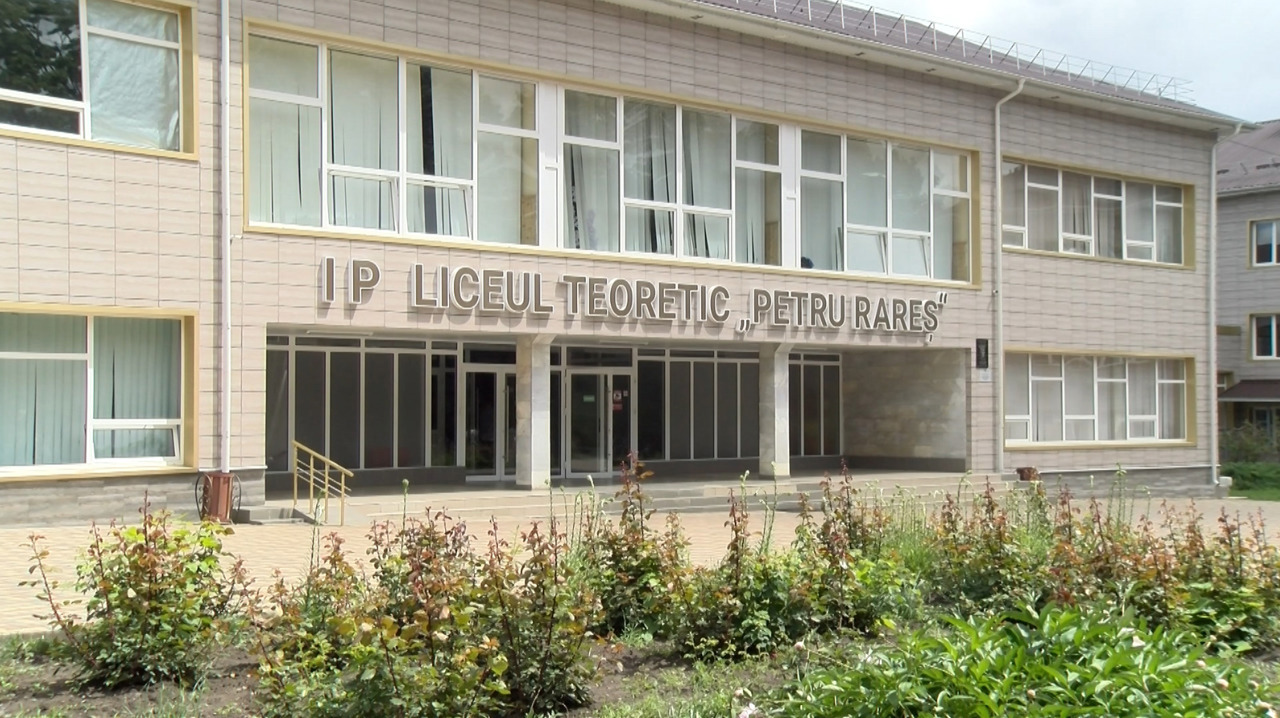
More than 1,000 students at the "Petru Rareș" Theoretical Lyceum in Soroca will enjoy modern study conditions thanks to a capital renovation project valued at approximately 165 million lei, funded by the World Bank. The procurement process for the first two blocks has already begun, and the school's administration anticipates that construction will commence by the end of this year.
The “Petru Rareș” Lyceum has previously received funding through the “Education Reform in Moldova” project; however, much of its infrastructure still needs repair. The director of the institution stated that the new project will complete the modernization of the infrastructure and renovate essential spaces for educational and extracurricular activities, including the gym, celebration hall, and school cafeteria.
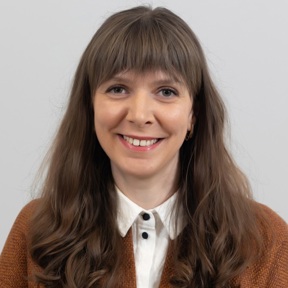
“Rehabilitation works are planned for Block A, the administrative building, which also houses essential spaces for the educational process. This includes the gym, the celebration hall, and the school cafeteria that serves over 300 students during each break,” said Cristina Prisacari-Ilies on the “Zi de Zi” show on Radio Moldova.
A stadium and two blocks await modernization
One of the most important components of the project is the modernization of the luceum’s outdoor spaces. The institution has a 2.8-hectare plot of land, intended for sports and recreational activities, but the infrastructure has not been rehabilitated for decades. The lyceum principal says that the transformation of this space could have an impact on the entire educational community in Soroca, not just on the institution's students.
"We are an institution beautifully located, right in the city center, in the center of Soroca Municipality. We have a very large space, it is about 2.8 hectares - the space predestined for sports activities, but also for leisure activities for students. Or it should be rehabilitated, since this has not been done since 1976, since it is an educational institution. Under these conditions, the project really aims to modernize these spaces. It is about a multifunctional stadium, with stands, with locker rooms that would allow access to all sports lovers to capitalize on their sporting potential. Under these conditions, it would be a very good opportunity for other educational institutions as well, since they would have access to some competitions held in a modern space", the director said.
The modernization of the lyceum will be carried out in stages. According to the institution's administration, the procurement process for the works on blocks A1 and A2 was launched on August 5, 2026, and the lyceum administration hopes the works will begin by the end of this year.
"The project is approximately 165 million lei. The resources come from the World Bank. Today we have approximately 52 million lei, which provide for the phased renovation, rehabilitation, and reconstruction of the block", said Cristina Prisacari-Ilies.
The offers are to be submitted by September 21. If the procedures are carried out without delay, the actual works would begin in December, according to the calendar established together with the authorities.
"We hope that we will be lucky enough to have serious companies that will carry out all these activities and that there will be no long-term appeal procedures, as it would be very good to enter into the terms discussed together with those from the Ministry of Education and those from the local public administration and for the respective block to be completely vacated in order to start the actual works in December 2026", said the director.
A modern school and modern equipment
Also, the institution has already begun to benefit from educational facilities and projects aimed at modernizing the study process.
"During the implementation of this project and the inclusion of the institution in this wonderful network, it is about the institution's access to various educational projects and various facilities that have been built during this year. So it is also about equipping the institution with technology and interactive panels, as well as furniture for first-grade students: ergonomic furniture. (...) Obviously, not all classrooms were equipped with furniture, but some of them were renovated", said Cristina Prisacari-Ilies.
In parallel with the preparation for the large-scale works, the institution's administration also carried out cosmetic repairs so that educational activity could begin under the best possible conditions. The rehabilitation of the cafeteria will, however, also require adjusting the students' diet during the works.
"In the meantime, we have made some cosmetic repairs to ensure that we can start the school year on a positive note. This will allow us to later adjust the educational process to align with ongoing and upcoming repairs. We are also making adjustments to student nutrition since the cafeteria is entering a rehabilitation phase," explained the director.
For the lyceum community, this project means more than just repairing some buildings; it represents a transformation of the entire educational environment into a safer, more accessible space that meets current standards. "The changes resulting from the project's implementation should align with our expectations," concluded Cristina Prisacari-Ilies during an interview on the public radio station.
Petru Rareș Lyceum, part of the model schools network
The renovation of the Petru Rareș Lyceum is part of the modernization program of 35 Model Schools in the Republic of Moldova, through which the authorities and development partners aim to create educational institutions capable of providing educational conditions at the level of modern standards. Of the 35 institutions, 15 educational units, including the Petru Rareș Lyceum, will be fully renovated with World Bank support under the "Improving the Quality of Education" Project.
The initiative is carried out by the Ministry of Education and Research, with support from international development partners: the World Bank, the European Union, UNDP, UNICEF, and USAID.