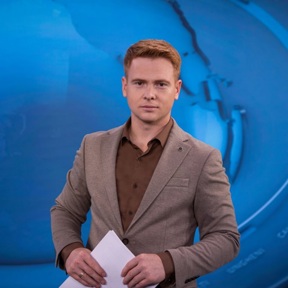
East-West option is no longer viable for Moldova, Deputy PM Popșoi
The policy of balancing relations between East and West, which has been advocated by the authorities in Chisinau for decades, is no longer feasible due to the ongoing war in Ukraine, according to Deputy Prime Minister Mihai Popșoi, Minister of Foreign Affairs. He emphasizes that Moldovan society has made an irreversible choice in favor of European integration. Nearly 35 years after declaring independence, the Republic of Moldova stands at a pivotal moment in its diplomatic history, marked by ongoing negotiations to join the European Union (EU) and strong ties with its primary Western partners.
Defining moments in Moldovan diplomacy
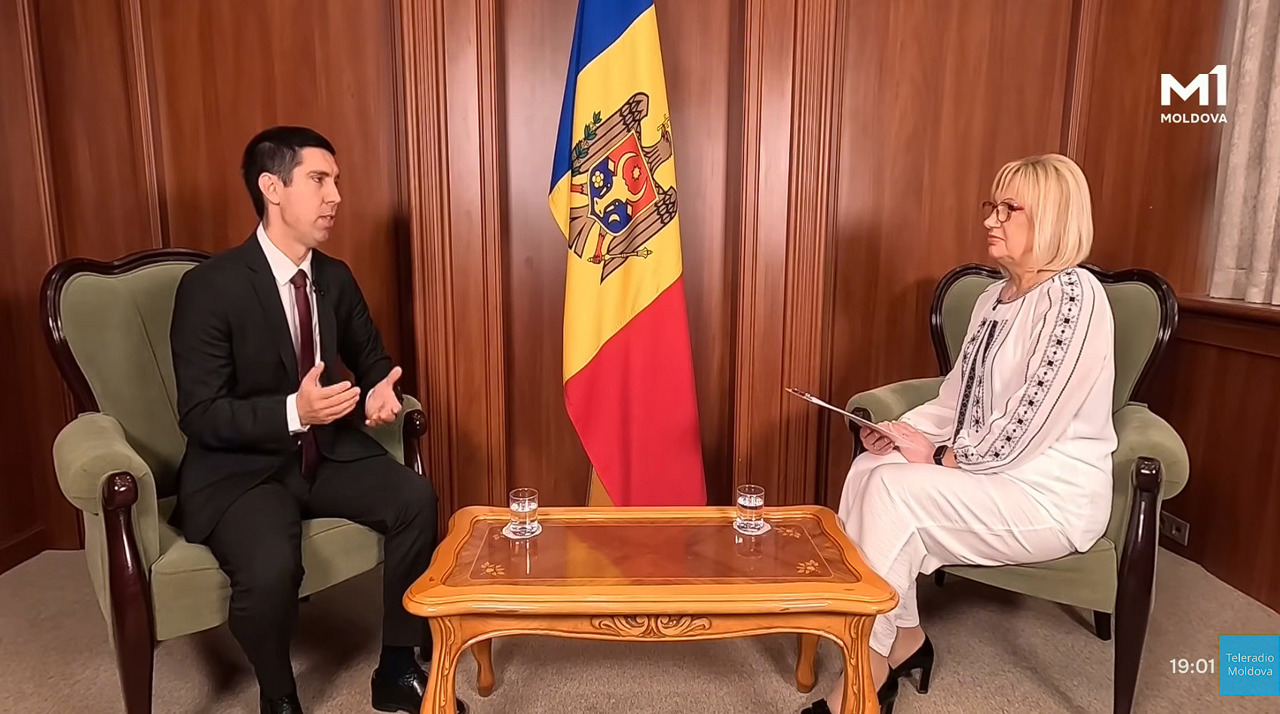
For years, the Republic of Moldova has balanced between East and West. However, in light of Russian aggression in Ukraine, this approach is becoming a thing of the past. The new regional context demands a shift in diplomatic realities, as Mihai Popșoi stated during the "Dimensiunea Diplomatică" show on Moldova 1 on August 16.
"You can no longer say that it is beneficial to be aligned with both sides," Popșoi asserted, emphasizing that Moldovan society has made a strategic choice: to integrate into the European Union.
He asserted that this choice must be accompanied by the abandonment of the structures that keep Moldova tied to the post-Soviet space, including the Commonwealth of Independent States (CIS).
"Once we clarify this strategic direction, we also need to take steps to withdraw from the CIS and its statutory documents. We must focus all our power, effectiveness, and resources on the clear direction of European integration," Popșoi pointed out.
The minister acknowledged that in the early 1990s, a policy of balance could have been seen as pragmatic, given that Moldova had less consolidated institutions and limited access to the Euro-Atlantic space.
"Our approach to European integration is not abstract; it is as practical and tangible as possible," the minister emphasized, listing achievements such as the liberalization of the visa regime, the association agreement, the liberalization of trade, the elimination of roaming fees, access to the Single Euro Payments Area (SEPA), and participation in the Erasmus program.
Popșoi also highlighted European financial support, including the Growth and Resilience Plan worth 1.9 billion euros, as well as funding aimed at strengthening Moldova's defense capabilities.
"We have lost three decades; we have no more time to waste," said the head of diplomacy from Chișinău.
Romania: "Our great asset and our great benefit"
The Minister described the relationship with Romania as the backbone of Moldovan diplomacy, highlighting the shared language, history, and traditions as a strategic advantage. Popșoi emphasized that the bond between Bucharest and Chișinău has never been stronger, and the level of trust is at its highest.
"Without a doubt, our main partner is Romania. This strategic and special relationship, grounded in our shared language, history, and traditions, is our greatest asset and benefit. With Romania by our side, discussions in Brussels or with EU member states become much easier, especially during times of great difficulty. Romania has consistently come to our aid through successive crises, whether providing support for farmers during droughts or assistance in the energy sector. We are currently working on interconnection projects that should have been completed decades ago, but as the saying goes, better late than never," the minister stated on national television.
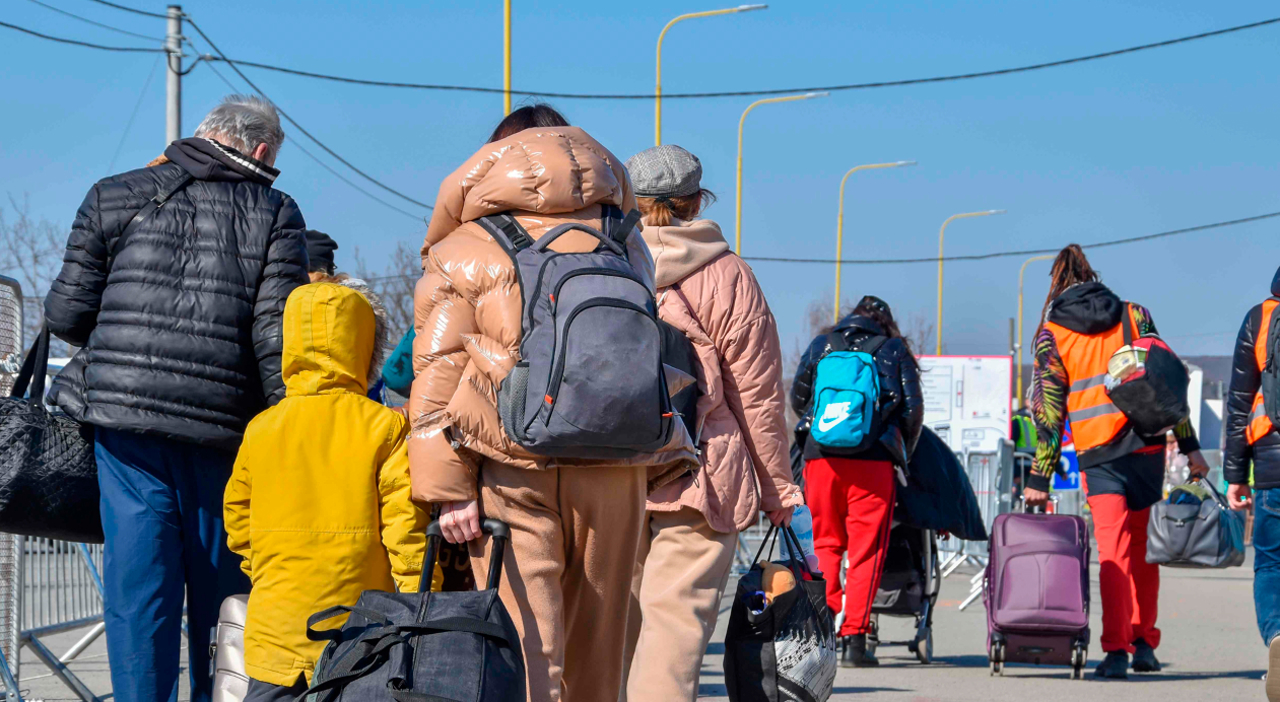
Popșoi acknowledged that relations with Ukraine have faced tensions, particularly over the Transnistrian issue dating back to the 1990s. However, he pointed out that the partnership is now robust, founded on mutual trust and on the hospitality demonstrated by Moldova in welcoming Ukrainian refugees.
"The relationship with Ukraine has not always been excellent, but in recent years, thanks to the close ties between President Volodymyr Zelensky and President Maia Sandu, as well as collaboration among our Governments and Parliaments, we have seen substantial improvement. Our friends in Kyiv and across Ukraine have witnessed the hospitality and openness of the Moldovan people, who welcomed tens of thousands of refugees into their homes during difficult times for our neighbour," the minister added.
Mihai Popșoi also emphasized the tangible achievements of the Moldovan-American partnership, dismissing criticisms from pro-Russian politicians regarding the fragility of this relationship. He announced that a new plenipotentiary ambassador from the United States and a new head of the OSCE Mission will soon begin their roles in Chișinău.
"Our American partners are firmly committed to our region, providing support not only politically, but also in practical terms. One year ago, we celebrated a major diplomatic success with the Straseni-Gutinas line, which received $130 million in grant aid, representing an investment in our country's energy resilience. This was followed by funding decisions for security and defense, including $36 million for cyber capabilities. Our relationships are as solid as possible, both with the ruling Republican Party and the longstanding ties with the Democratic Party," the head of Moldovan diplomacy pointed out.
EU accession: The priority of Moldovan diplomacy
Reflecting on Moldovan diplomacy over the 35 years of independence, Mihai Popșoi identified key milestones, including accession to the UN in March 1992, joining the Council of Europe, hosting the summit of the European Political Community in Bulboaca in 2023, submitting the application for EU accession in March 2022, and the recent opening of the sixth negotiation cluster focused on Foreign Policy and Security.
He also mentioned that Moldova will once again hold the presidency of the Committee of Ministers of the Council of Europe in 2026, following its first term in 2003, praising the country’s outstanding performance in navigating diplomatic challenges.
"The most significant objective for us in the coming years, for the entire society, is to complete the accession negotiations and secure the ratification of Moldova’s accession agreement to the Greater European Family," concluded Mihai Popșoi.
The Republic of Moldova has made significant progress in its EU accession process by officially opening the second group of negotiation chapters, which focus on foreign policy, security, defense, and common commercial policy, on July 14.
In 2022, our country submitted its application for European Union membership alongside Ukraine, shortly after the onset of the large-scale Russian invasion. Later that same year, the Republic of Moldova was granted candidate status.